After our 10 days of road trip in the Algarve, we began our ‘return’ journey. To get back to Switzerland from the Algarve, we decided to spend about ten days on the road and to stop in different regions of Portugal. Lisbon could have been on our list of cities to visit, but since we were with the dog and the van, we preferred to skip destinations that were too urban, and instead we decided to make a two-night stop in the Arrábida Natural Park.
In total, Portugal has 14 different natural parks (and only one national park, but we’ll come back to that in a future article). Arrábida is the natural park closest to Lisbon. From the city center, it takes less than an hour’s drive to reach Setúbal or Sesimbra and you’ll find yourself in an absolutely incredible natural setting!
Setubal, its beach and the Sado estuary
Setúbal is a port city between the sea and the mountains, located south of Lisbon, between the Sado Estuary and the Arrábida Natural Park. The area is also known for its amazing fine-sand beaches and for the opportunity to take excursions in the Sado Estuary for dolphin watching.
We were a bit limited in time, so we decided to skip this little town, but I’m telling you about it anyway because we had strongly hesitated to stop there.
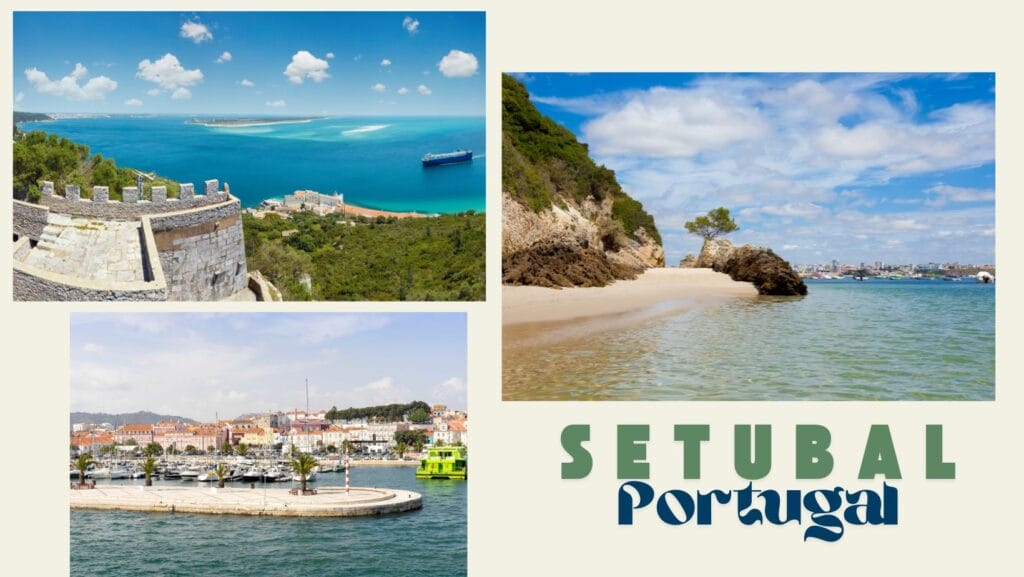
With the van and the dog, it seemed to us to be more ‘simple’ but also more logical to go straight to Sesimbra, in the heart of Arrábida Natural Park.
Sesimbra, the small tranquil town of Arrábida
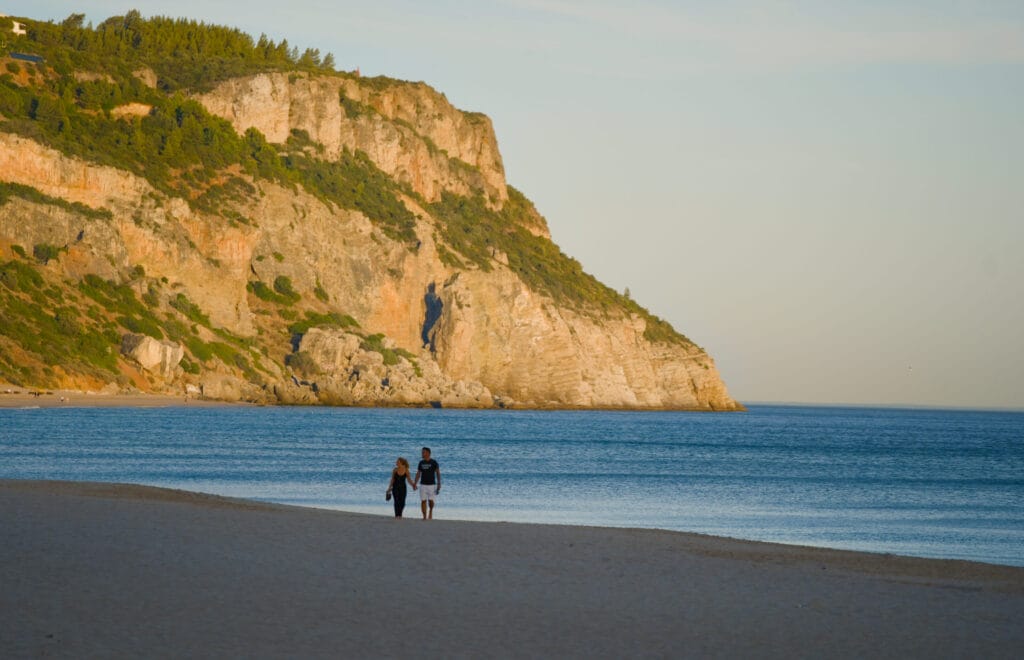
Located just 40 minutes from Setúbal or Lisbon, the small town of Sesimbra is a slice of paradise in the Arrábida Natural Park. Well… I’d say in the middle, but the town itself isn’t officially inside the park; however, on either side you’re right in it. This former fishing town has managed to preserve its authenticity while becoming an ideal getaway for lovers of the sea, rock climbing, and hiking.
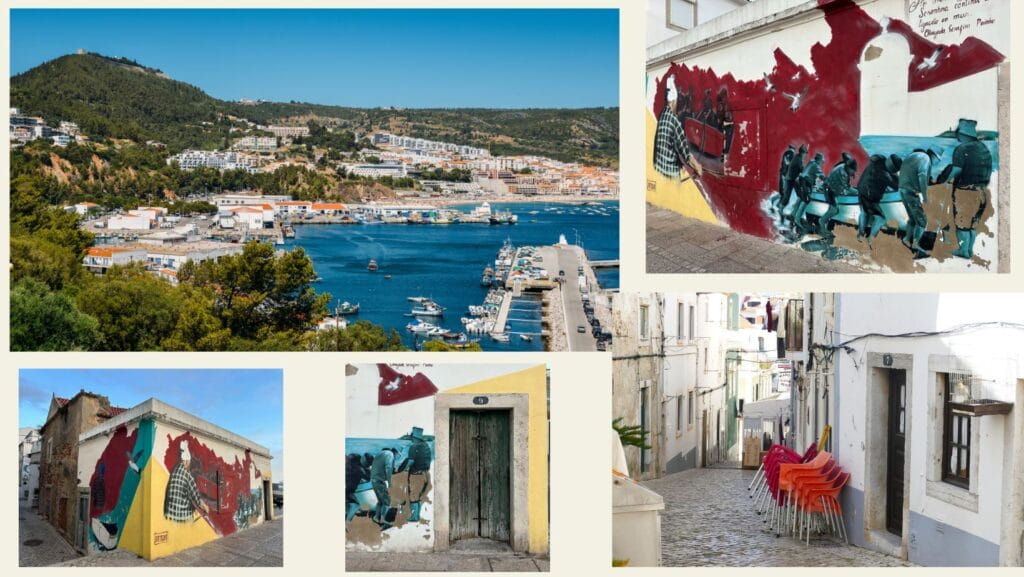
Sesimbra isn’t just a pretty place to base yourself south of Lisbon. It’s also a peaceful atmosphere, quiet cute streets, golden sunsets, and a sense of having made it to the end of the world just a few kilometers from the capital. It’s funny, actually, because arriving from the south, we really had a hard time imagining that Lisbon was so close… I don’t know, but around here you really feel like you’re in a corner that’s kind of “lost” in nature and facing the Atlantic!
Hotels, restaurants and things to see in Sesimbra
Sesimbra is one of those little “touristy” towns we like a lot. What does that mean? Well, simply that the place is developed enough to offer plenty of lodging options for all budgets, some small restaurants, shops, but you can clearly feel that the local life keeps going there, and we’re far from those ‘resort’ villages where everything seems geared toward tourism.
For our lodging, we decided to go with the municipal campsite, which is just outside the town to the west. For us, it was the ideal place: just a stone’s throw from the climbing spots (we’ll come back to that later), while being a reasonable distance from the town center so we could walk there.
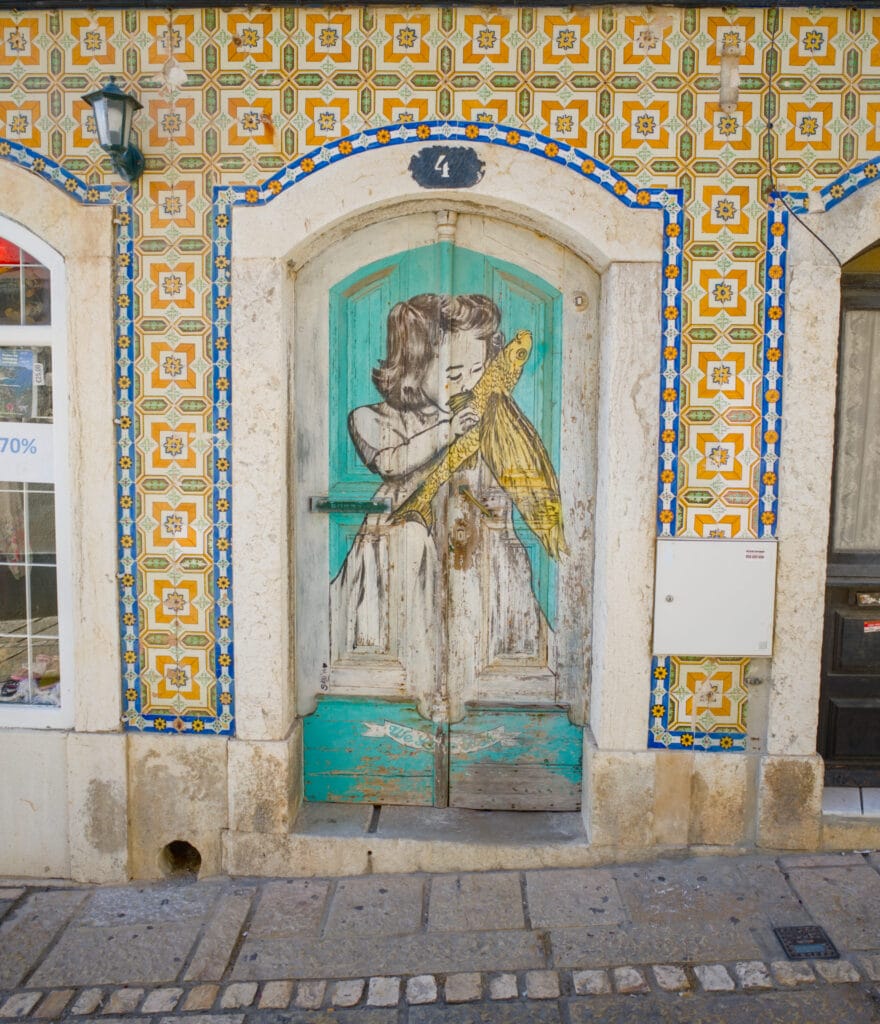
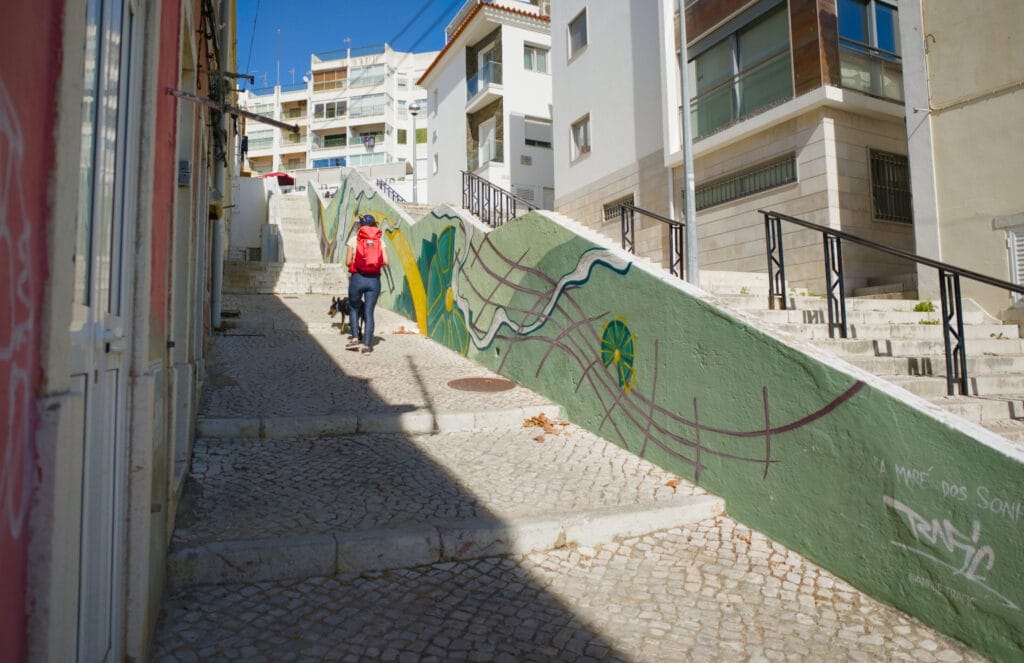
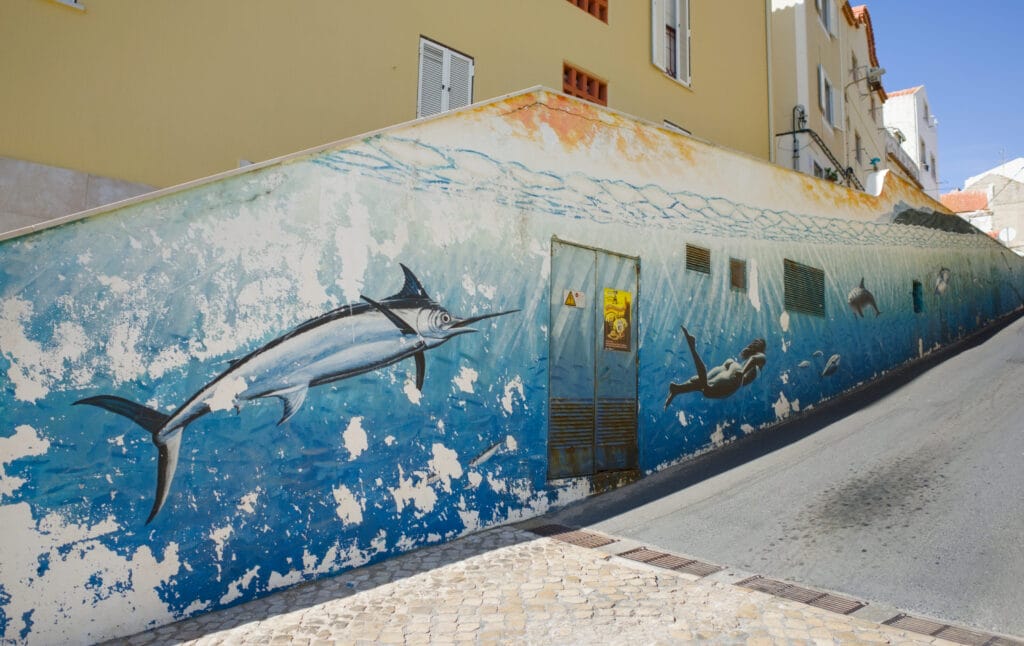
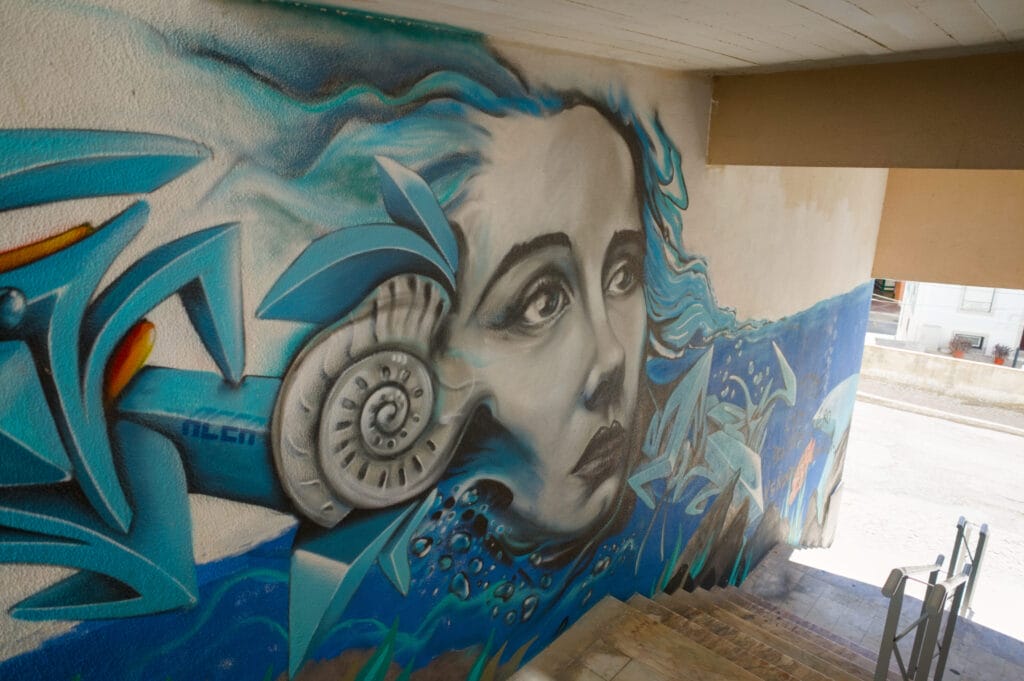
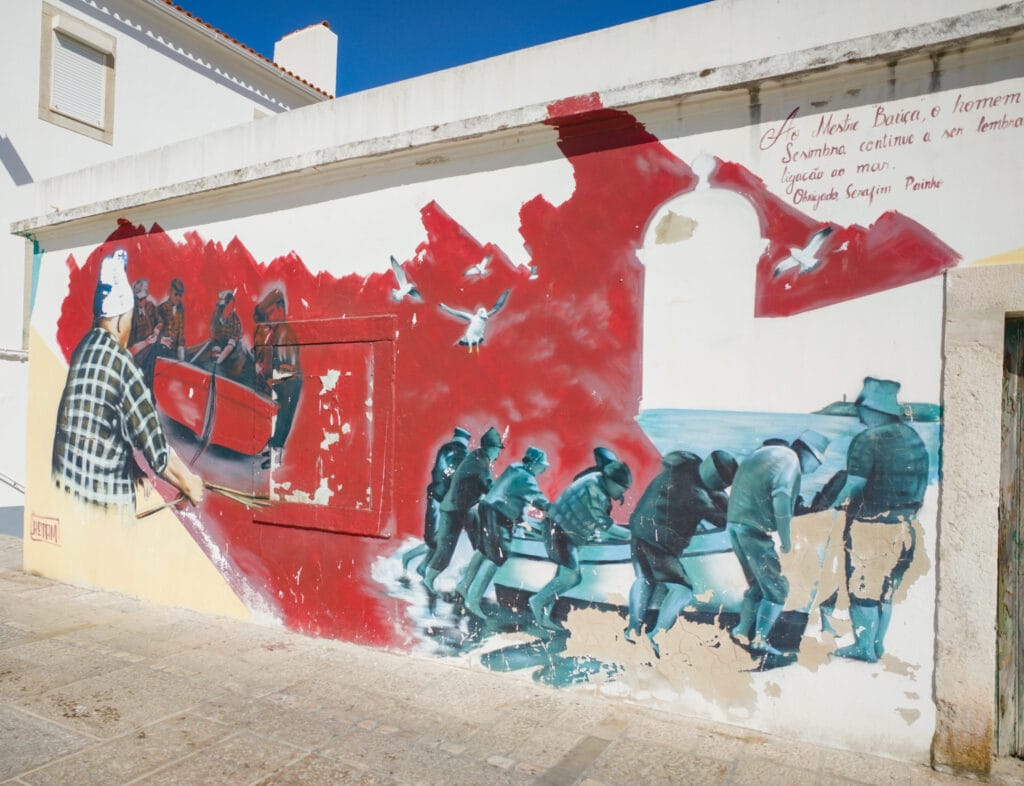
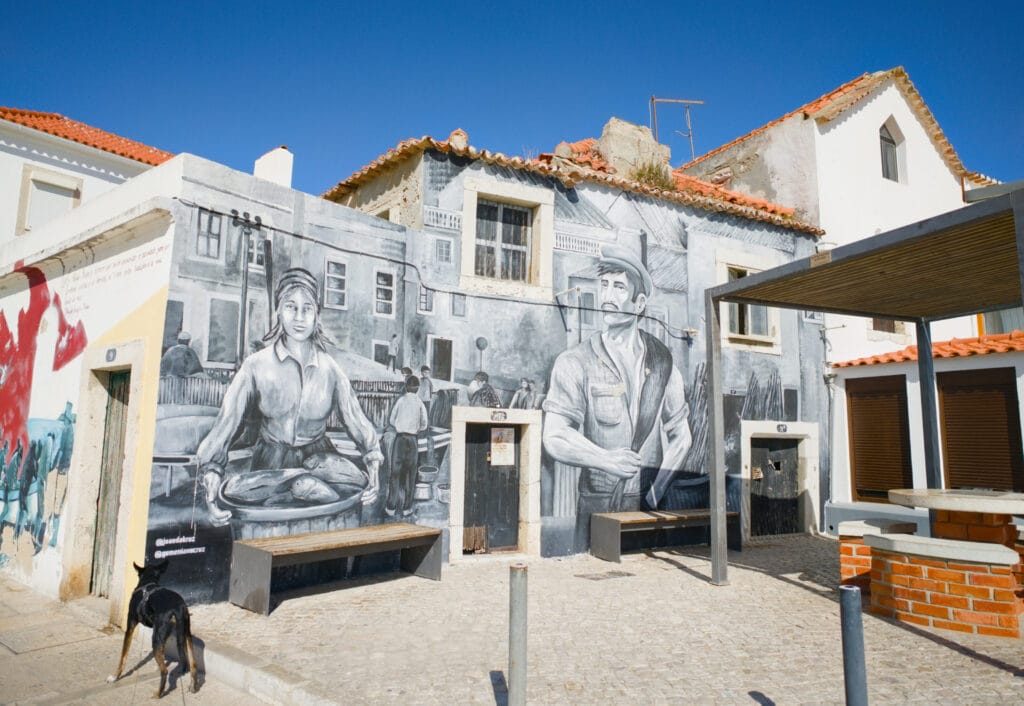
As for the sights, we will gladly admit that we were more focused on the things to see and do in the surrounding area than on the city center. Nevertheless, we really enjoyed wandering through the city’s sloping alleyways and discovering the numerous street art pieces scattered all over.
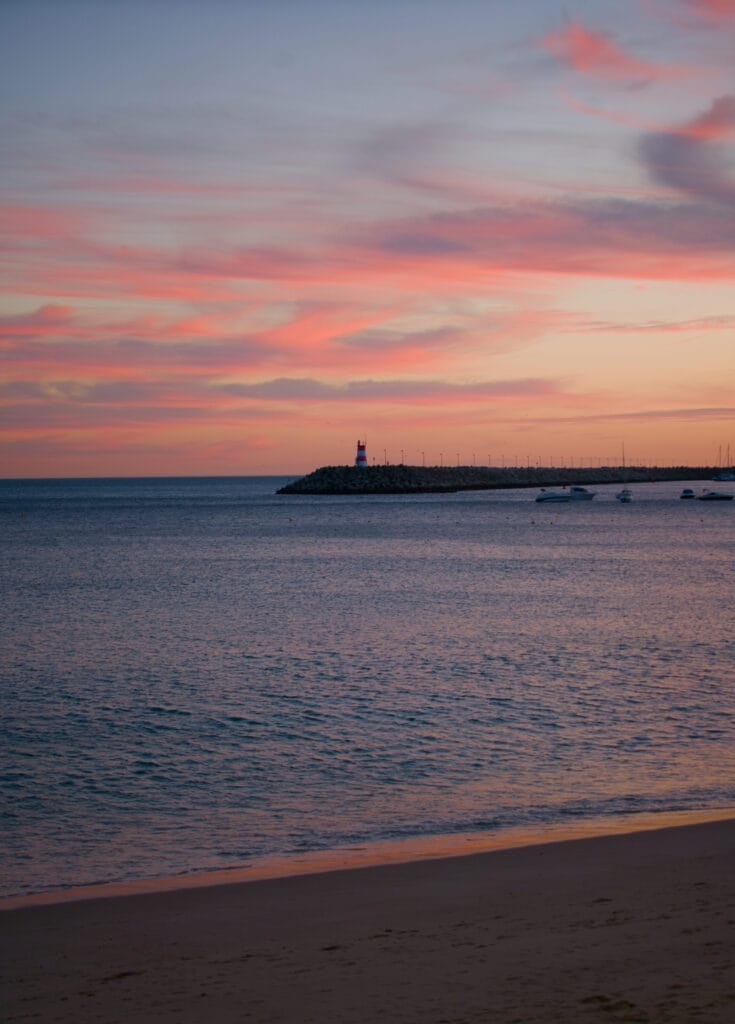
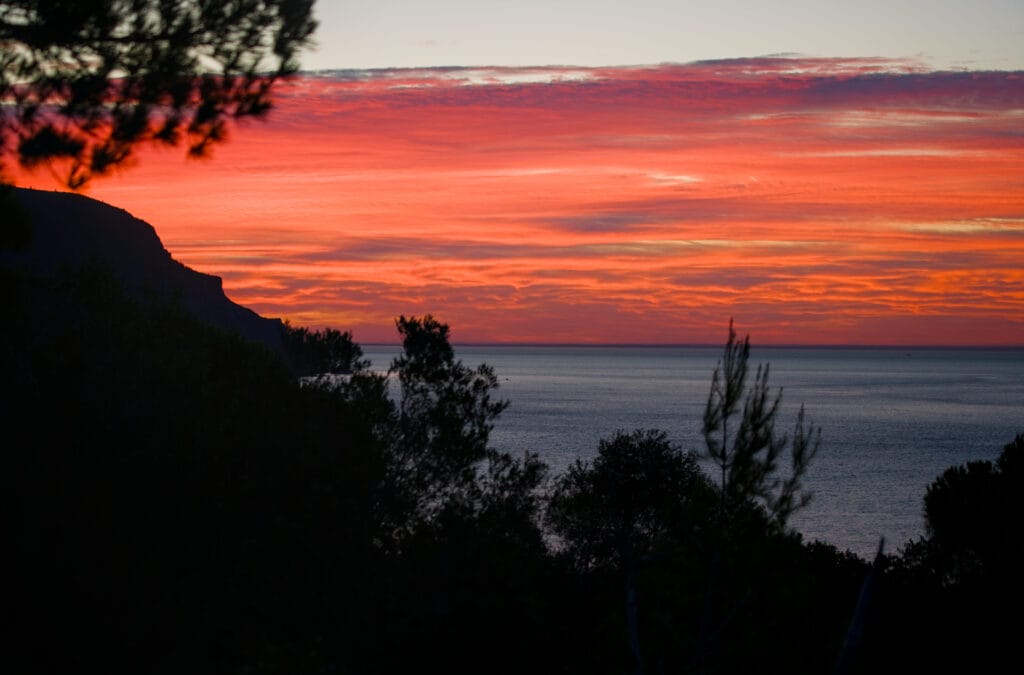
Special mention to the port and beach district late in the day! The colors were stunning, and we enjoyed this gentle autumn evening dining on a terrace. Sesimbra is clearly a town oriented toward the sea, and the restaurant menus reflect that (lots of fish). With Ben, we don’t eat fish, so we turned to a wine bar that also serves tapas.
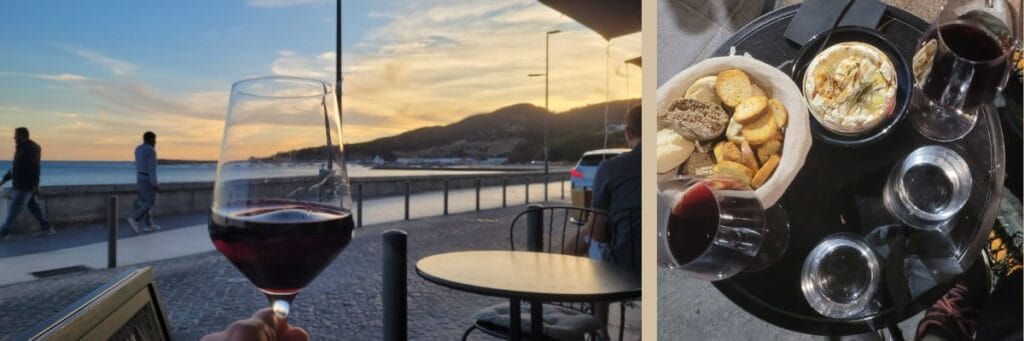
Originally, we were planning to eat at Alhoa Vegan Café (we passed by it; it looked really good), but it was ultimately the view from the terrace of the restaurant “Finesse, Coffee and Wine” that convinced us to stay. 😉 We ate very well, even though it wasn’t really a restaurant, but more like tapas served with a glass of wine.
On the other hand, there’s one thing we don’t joke about when we’re on vacation, and that’s ice cream! We had read that we should try the ice cream from “Fini Gelateria“… They were certainly very good, but we must admit we preferred the ice cream from “Echo,” located about a hundred meters away.
Accommodation: as I mentioned earlier, we slept two nights at the municipal campsite located just west of town. We paid €15 per night for a van, two people, and the dog. Very minimalist as far as camping goes, and the facilities we’d call ‘okay’, but honestly they more than do the job. We were also pleasantly surprised by the campsite’s little snack bar, which served hearty meals on its pretty terrace.
If, unlike us, you’re looking for a hotel instead, you can compare the options on the map below.
Hiking in the Arrabida Natural park
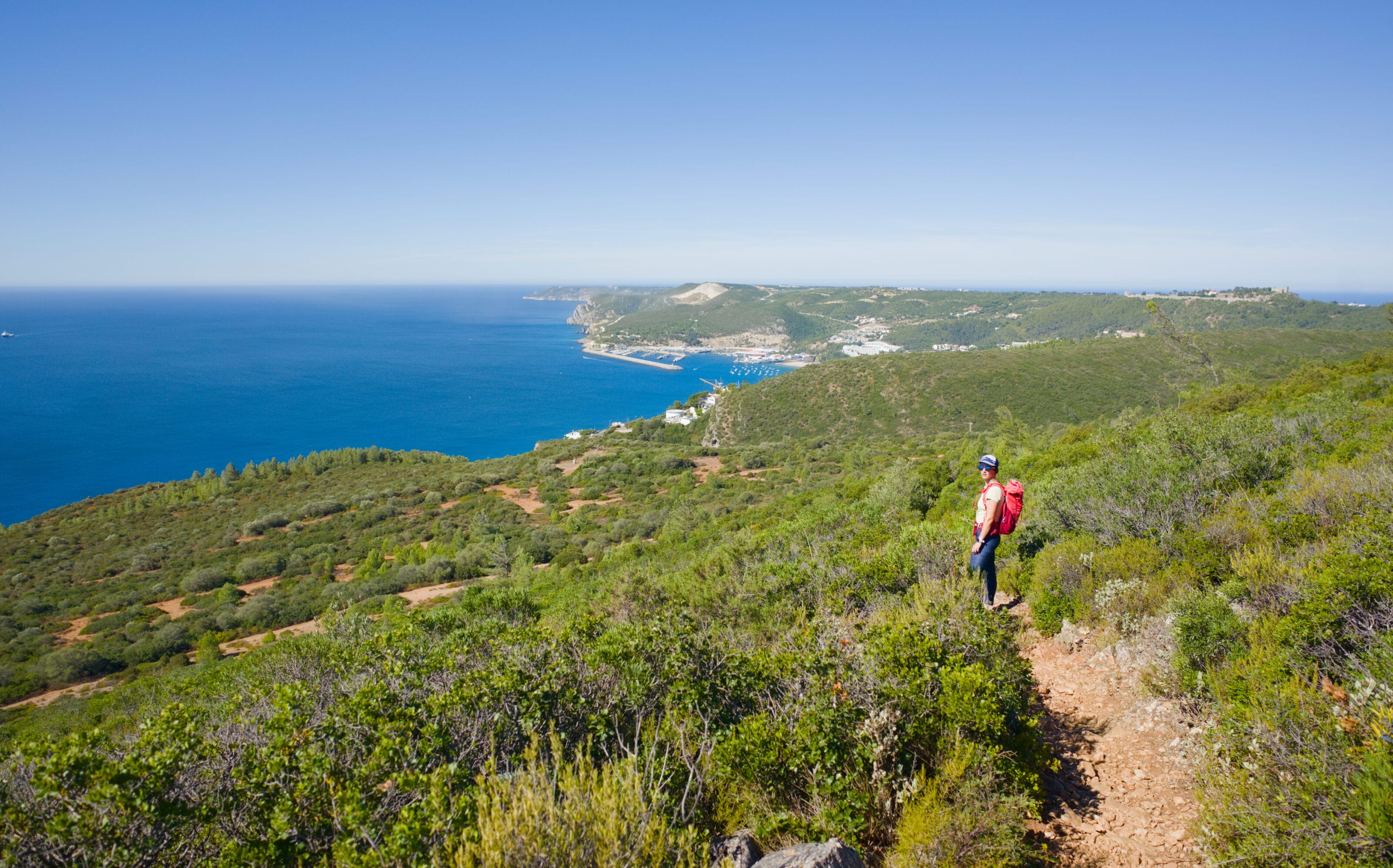
On the second day of our stay, we decided to head out for a short hike east of Sesimbra, in the Arrábida Natural Park. We hopped in the van again and parked along the M585 to head toward a small summit called Pincaro. We had checked out the area before and knew this hike would most likely be a round trip, following the same path, but we hadn’t really made any plans about where we would turn around.
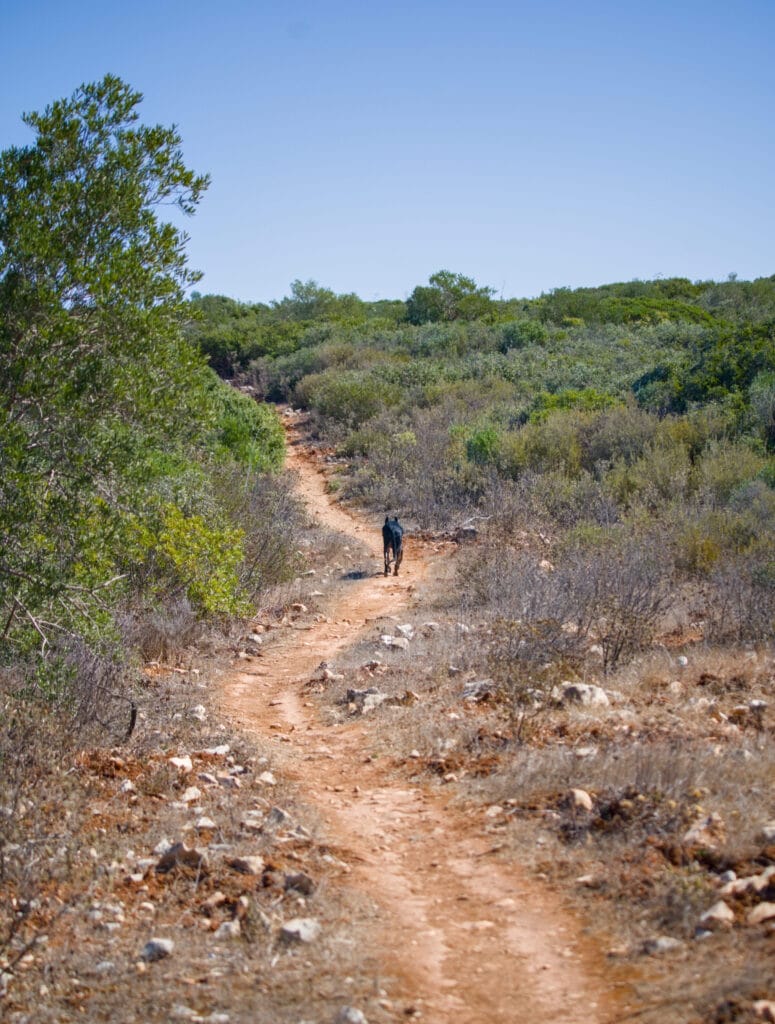
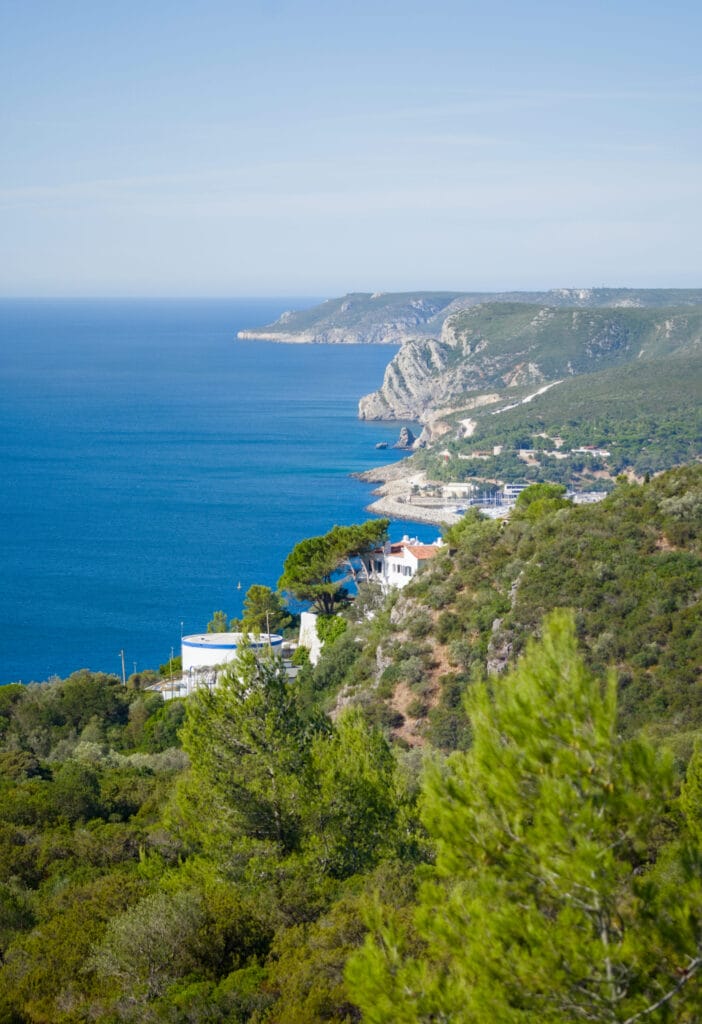
In the end, we did a walk of just under 10 km (5 km there and 5 km back), taking about 3.5 hours. Does that time sound long to you? haha, well it does to us as well… let’s just say that hiking doesn’t seem to be the national sport over there and that we sometimes felt the trail hadn’t been used in ages. At times, we literally had to blaze a path through the bushes (and we got lost more than once, haha).
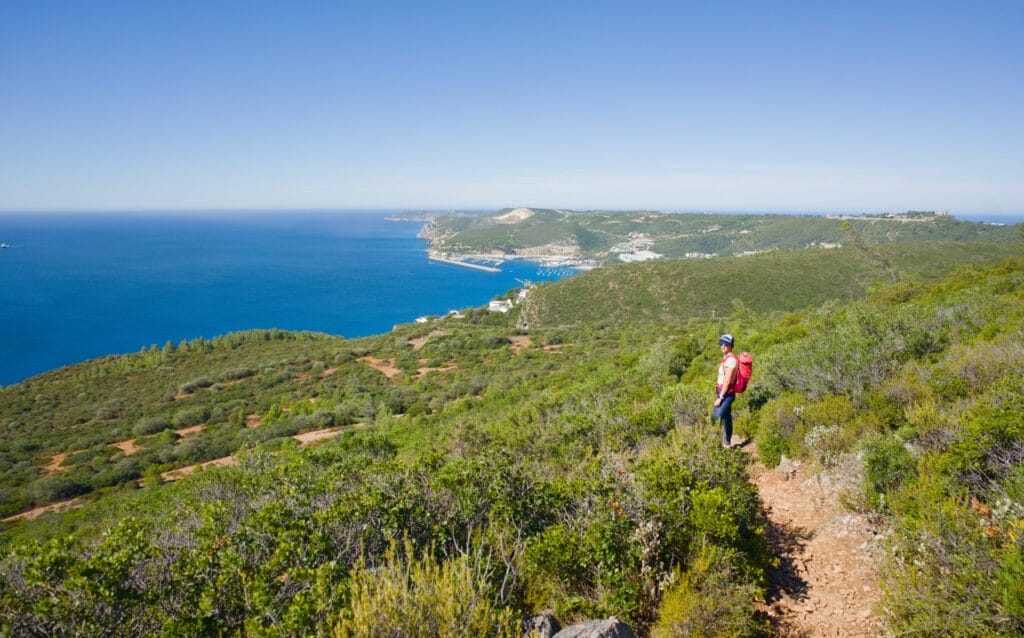
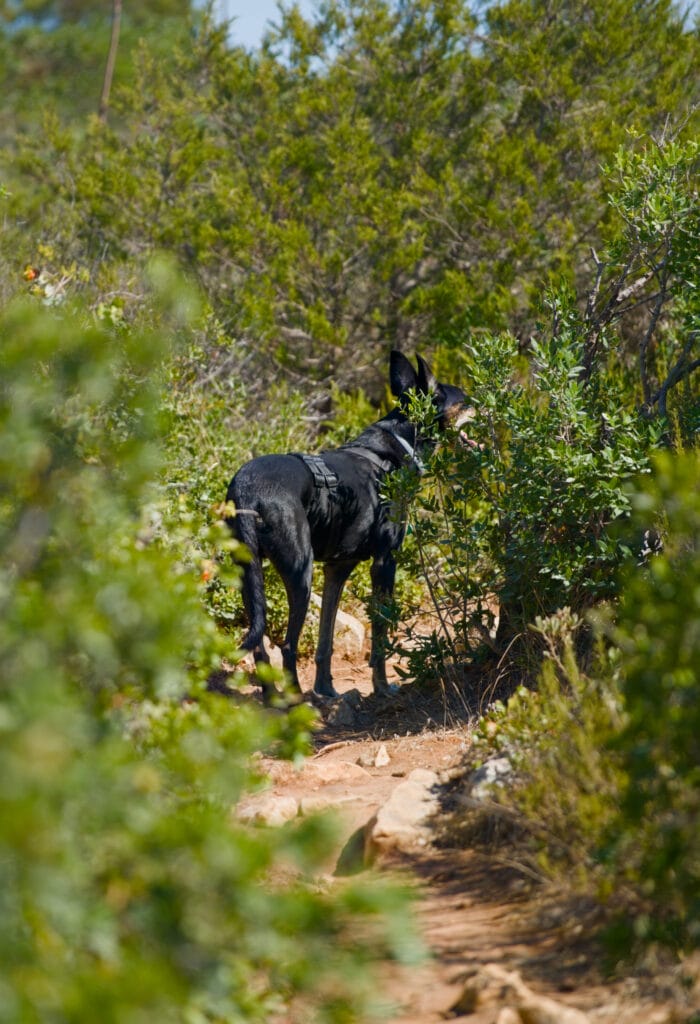
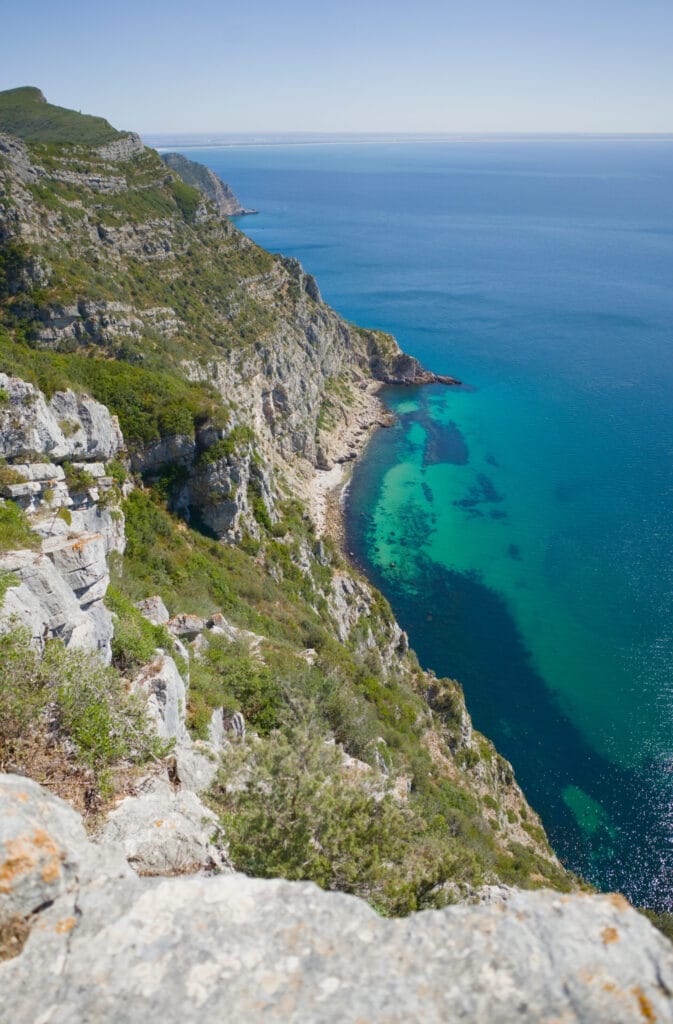
But frankly, zero regrets about setting out on this somewhat ‘adventurous’ stroll. I’m using big quotation marks, because aside from the ‘waste of time’ and a few scratches from bushes, it was by no means dangerous terrain and the views were breathtaking!
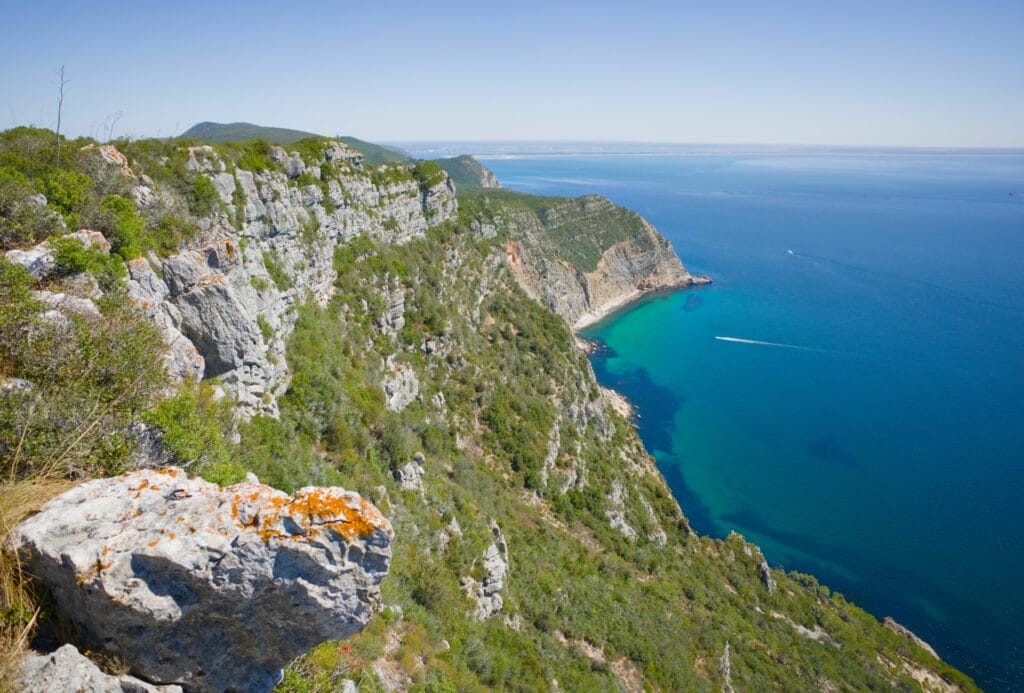
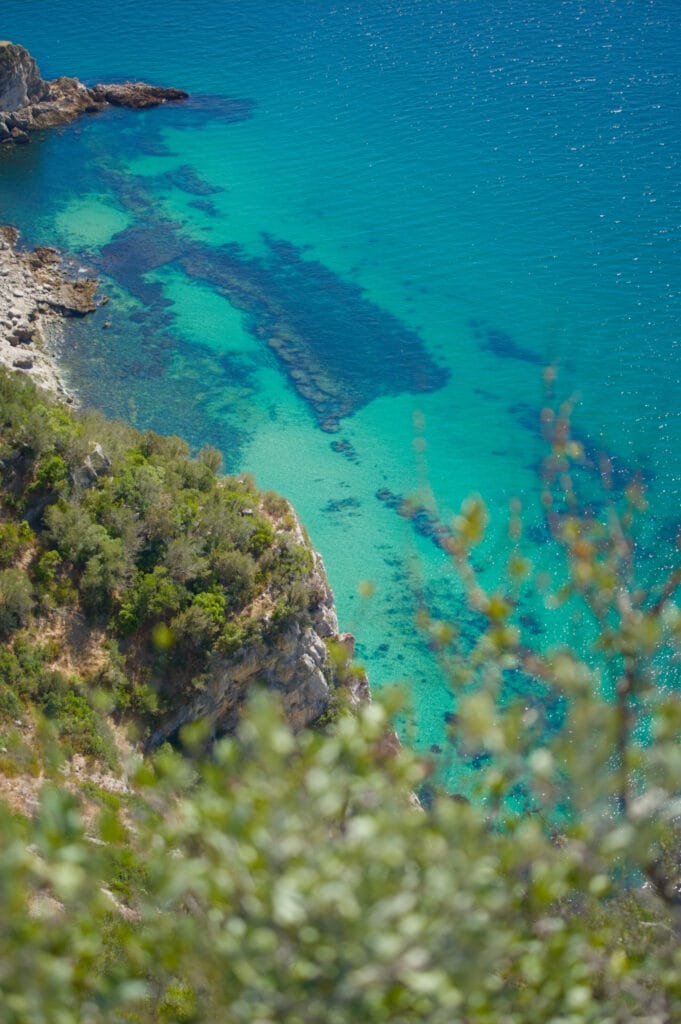
I’ll include the route map below. But you’ll see it if you go there—the basic idea is to always follow the ridge line and stay up top.
Climbing in Sesimbra – Portugal dos Pequeñinos
Over the past few years we’ve started doing a bit of rock climbing. We mostly practice indoors, although we also sometimes go outdoors around our place during the summer… But what’s for sure is that now, whenever we head out in a van, we bring our gear along!
We had spotted the crag called “Portugal dos Pequeñinos,” which lies right next to the Sesimbra municipal campsite. The seaside spots are often stunning (from our “mountain people’s” perspective, it’s a welcome change of scenery).
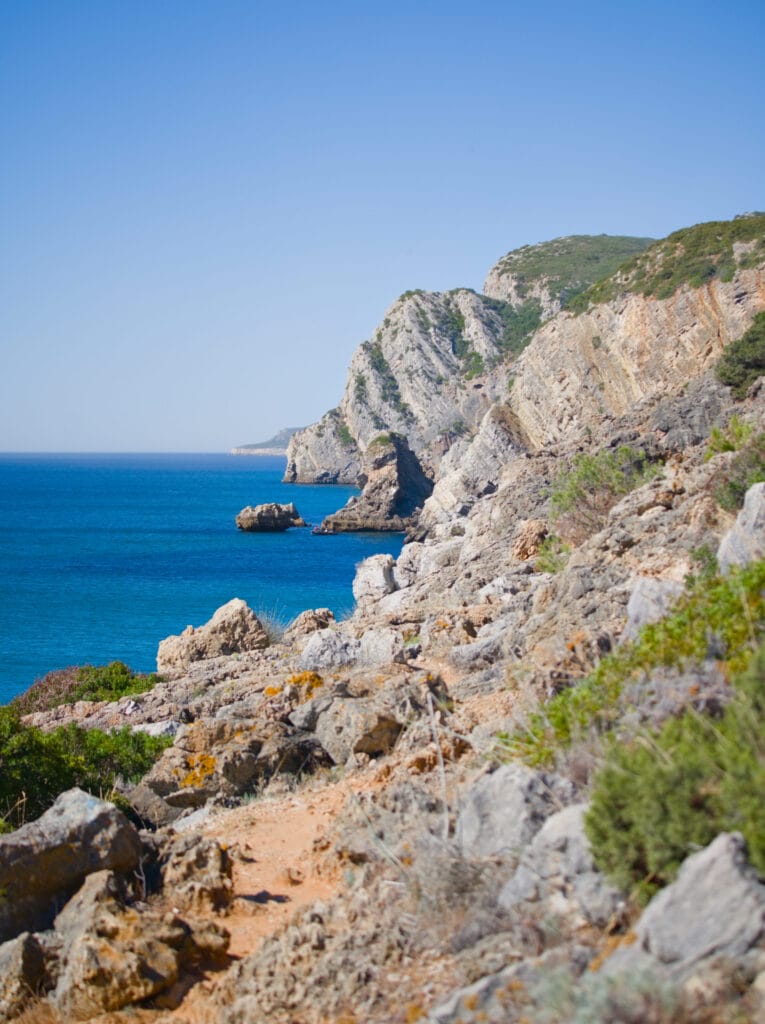
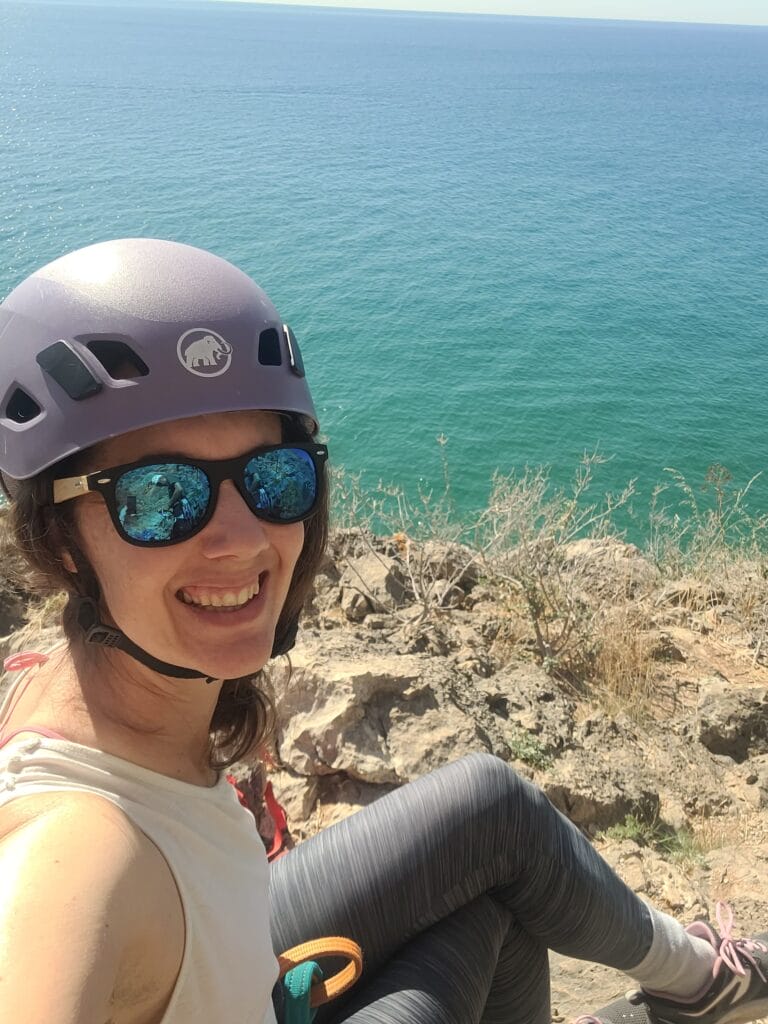
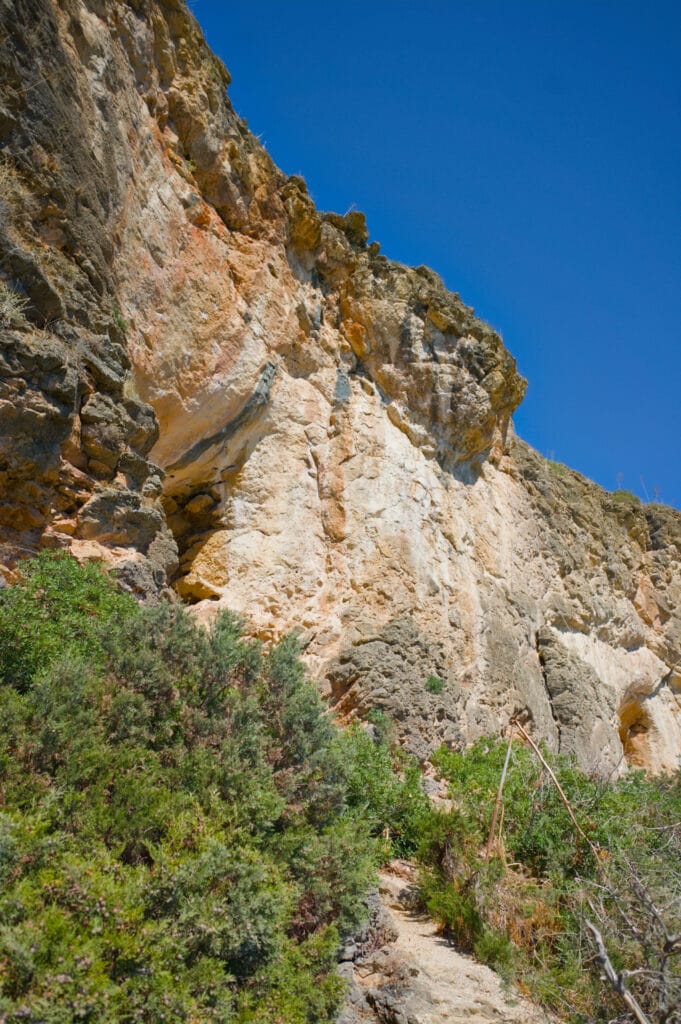
The sector has about twenty bolted routes, ranging from 5+ to 8a. Anyway, we’re still beginners, so needless to say, we just watched the 7s and 8s from the ground, haha, but the sector is really pretty and the limestone rock wasn’t bad (very abrasive, but hey… there’s no miracle… you can’t have grip and keep the skin on your fingers, haha).
Afterwards, we’ll admit that we hung around the van a bit too long in the morning, and the idea of going there in late morning wasn’t the brightest. We ended up cutting our session short. With the direct sun beating down, and with no possibility of seeking shade, we roasted like chickens on the tracks, and the rock had become so hot that we laughed at the fact that our fingers were frying like sunny-side-up eggs in a pan.
Cabo Espichel Lighthouse
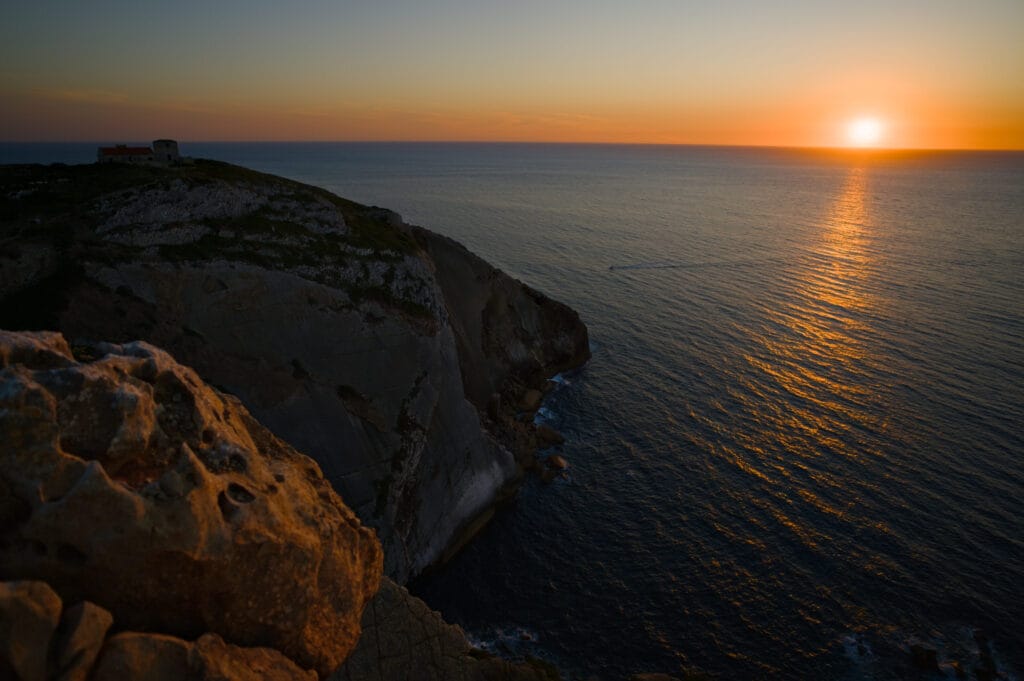
Before continuing our road trip toward northern Portugal, we decided to make a final stop at the southwestern tip of the Setúbal Peninsula, where the land seems to come to a dead stop facing the Atlantic: Cabo Espichel. A spectacular place, almost timeless. Here, the wind blows (strong at times) and the cliffs plunge straight into the ocean. It’s one of those places you come to as much for the scenery as for the silence.
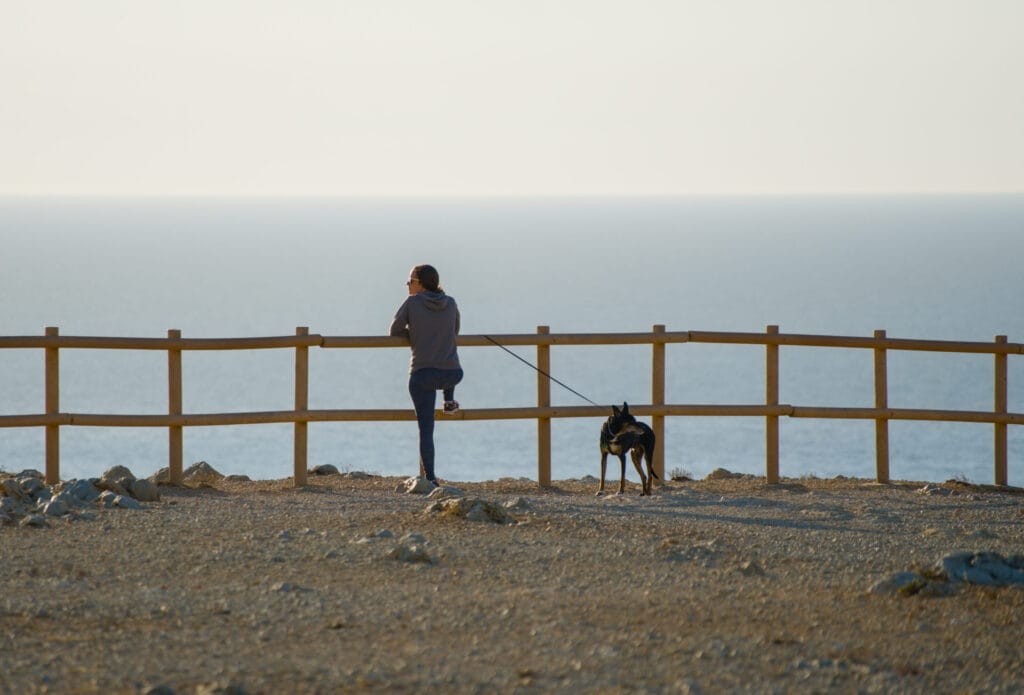
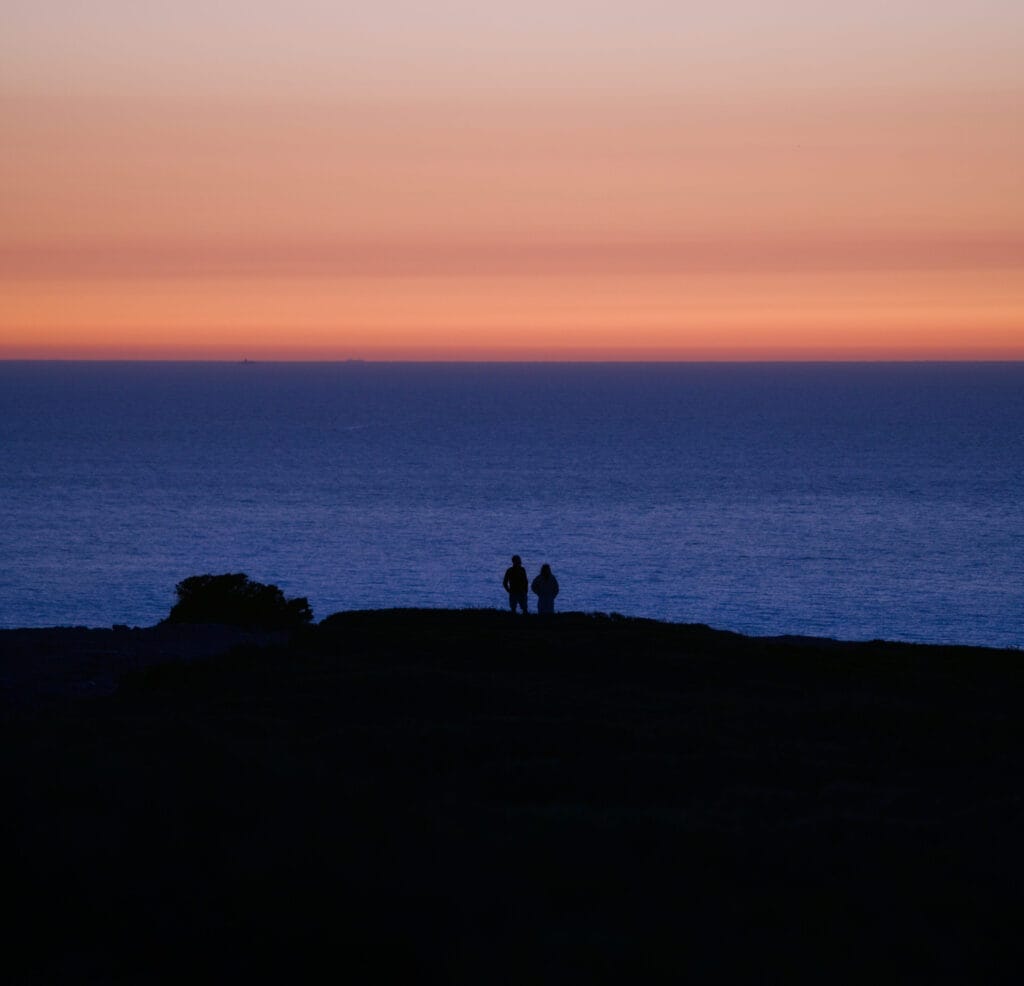
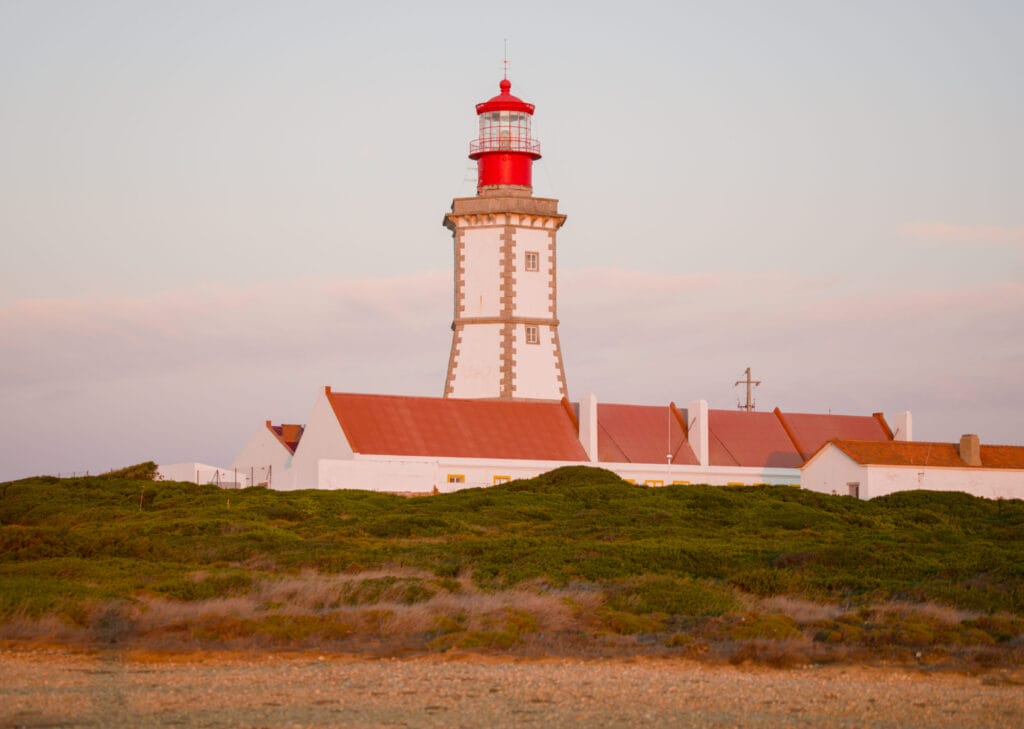
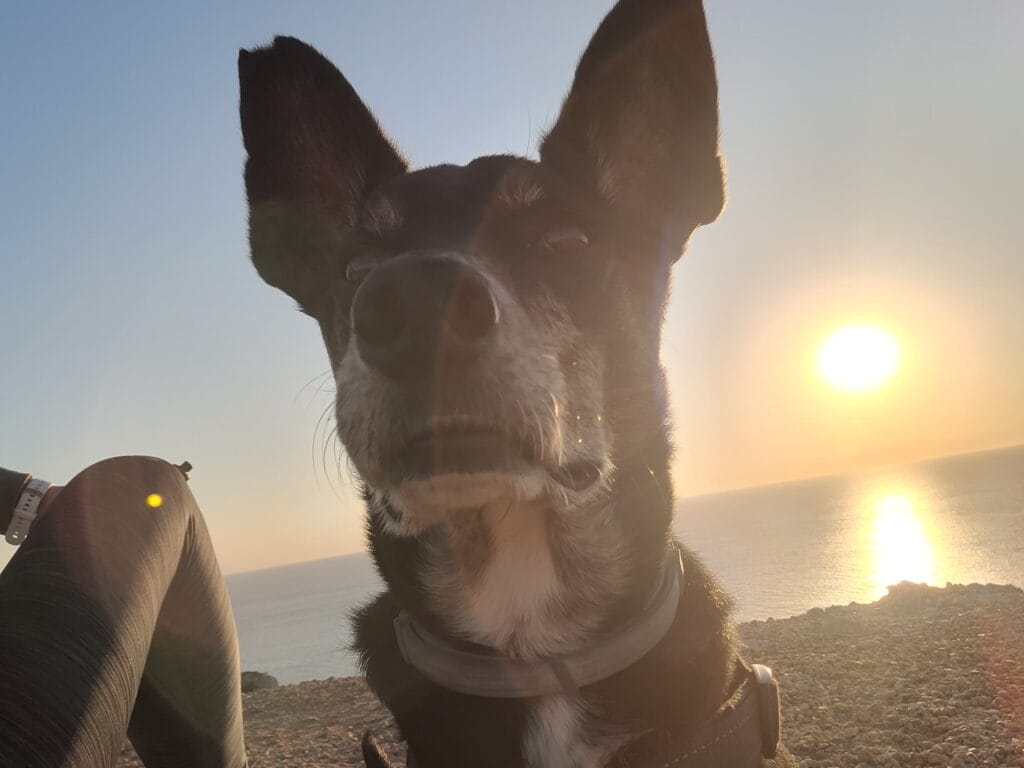
Perched atop the cliffs, the Cabo Espichel lighthouse has watched over the coast since the 18th century. Still active today, it marks the entrance to the Tagus estuary and offers a breathtaking view of the ocean. There’s not much around it, to be honest, but that’s exactly what makes this place so special. And since you’re at one of the westernmost points, it’s obviously the perfect spot to watch the sunset!
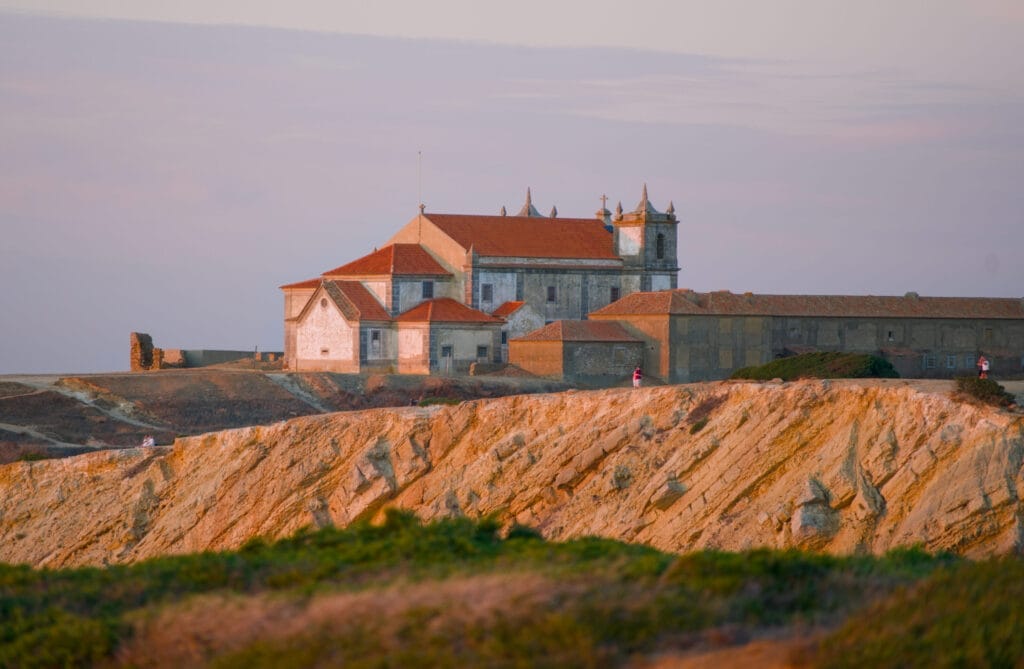
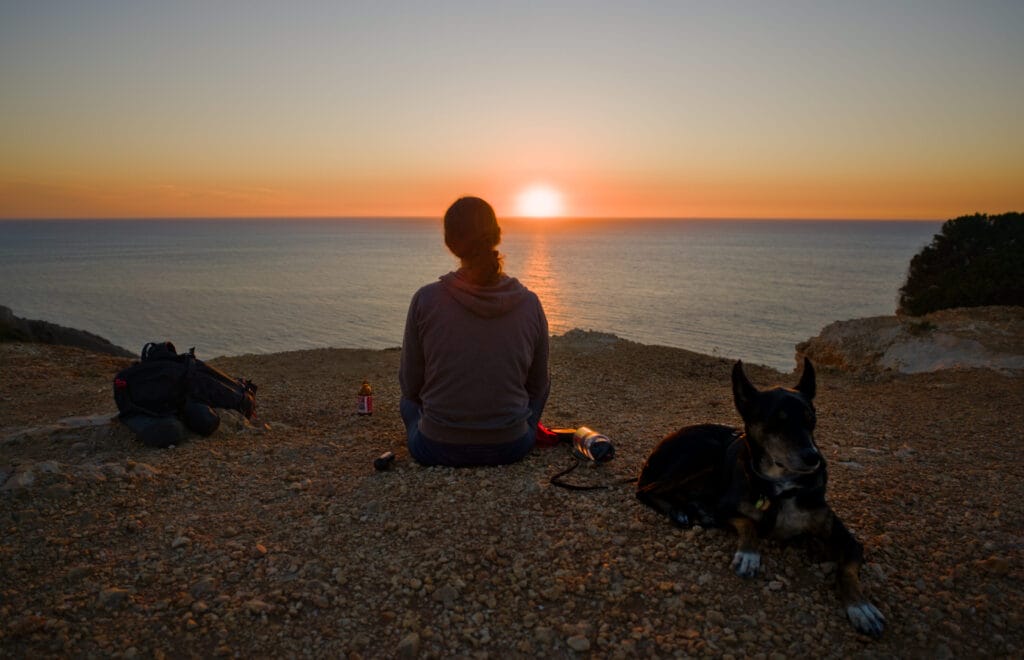
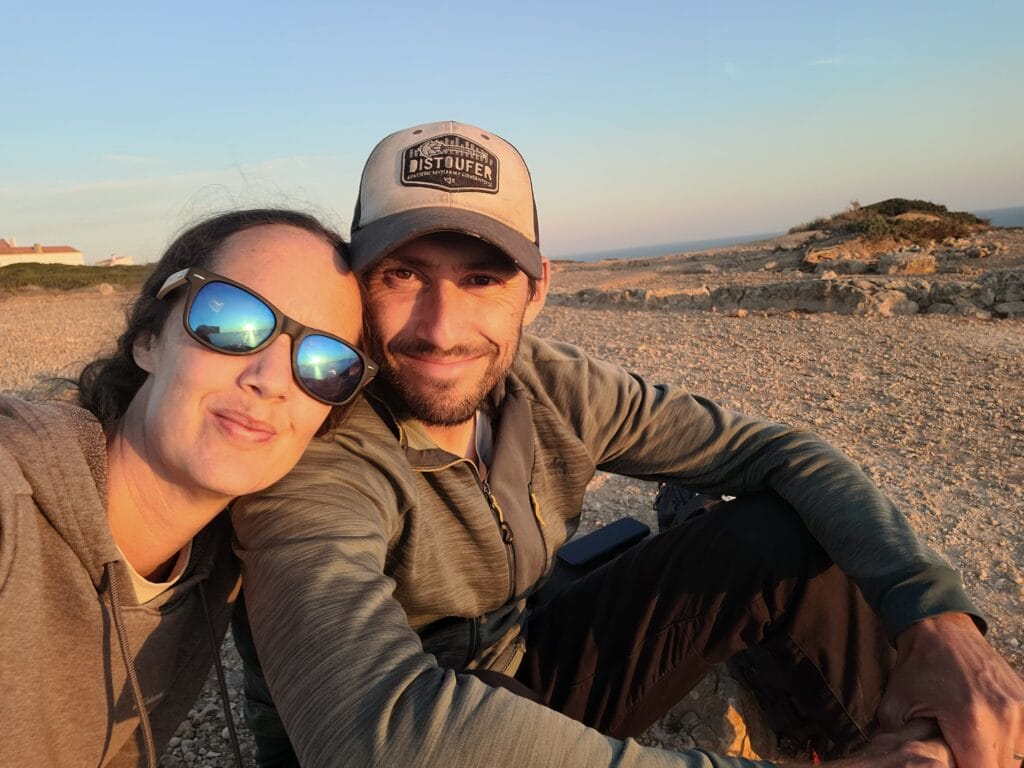
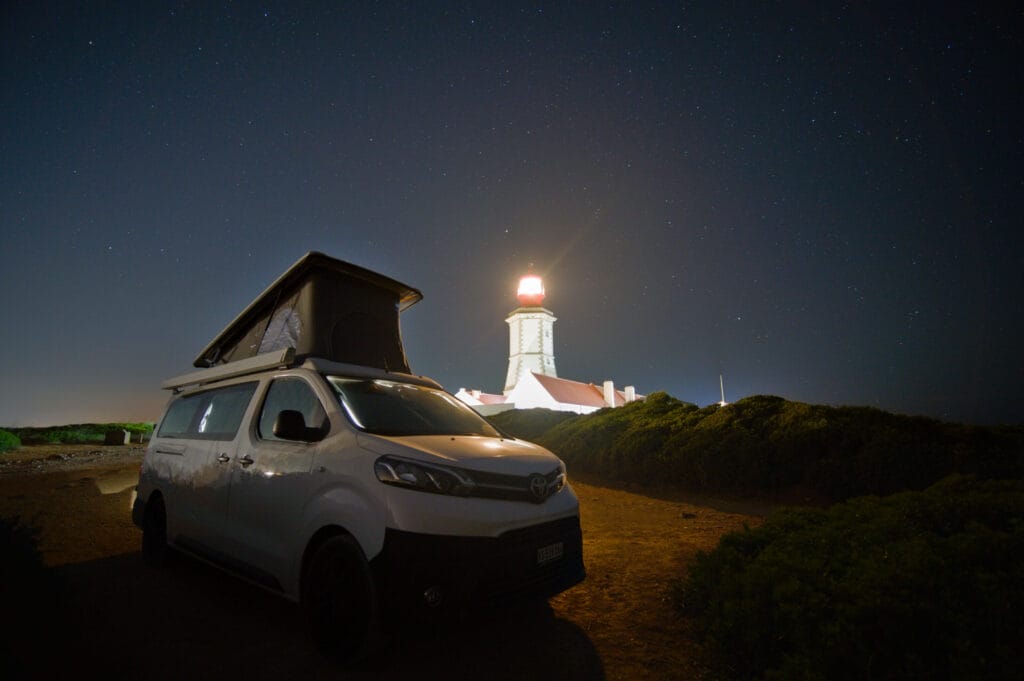
Right next door, the Sanctuary of Nossa Senhora do Cabo Espichel, often called a monastery, tells another side of the place’s story. In reality, it’s a vast religious complex that was, for centuries, an important pilgrimage site. Here, you get a strange feeling of grandeur and abandonment (since yes, the place is completely empty today), as if time itself had come to a standstill.
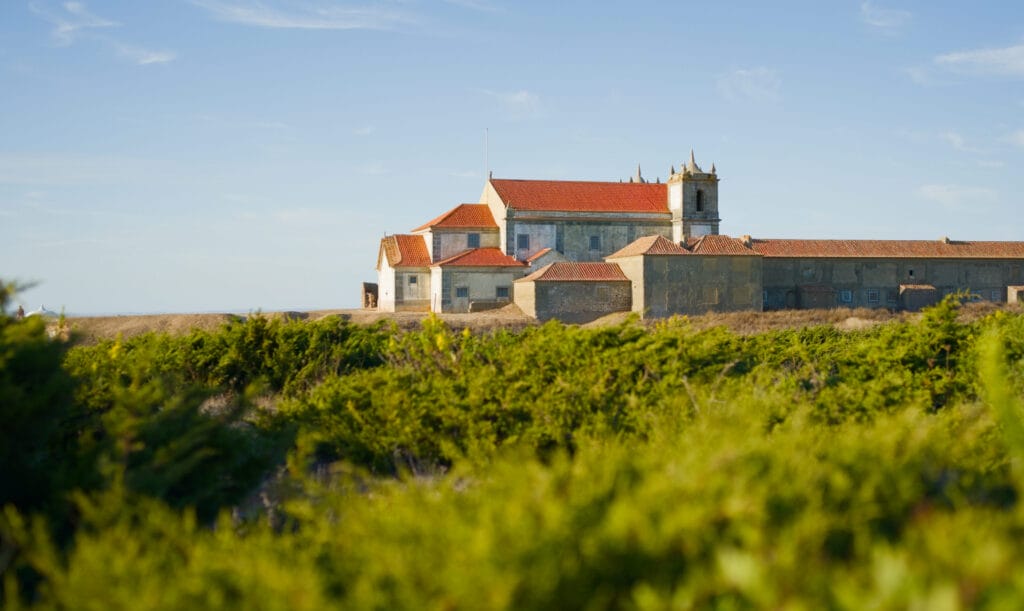
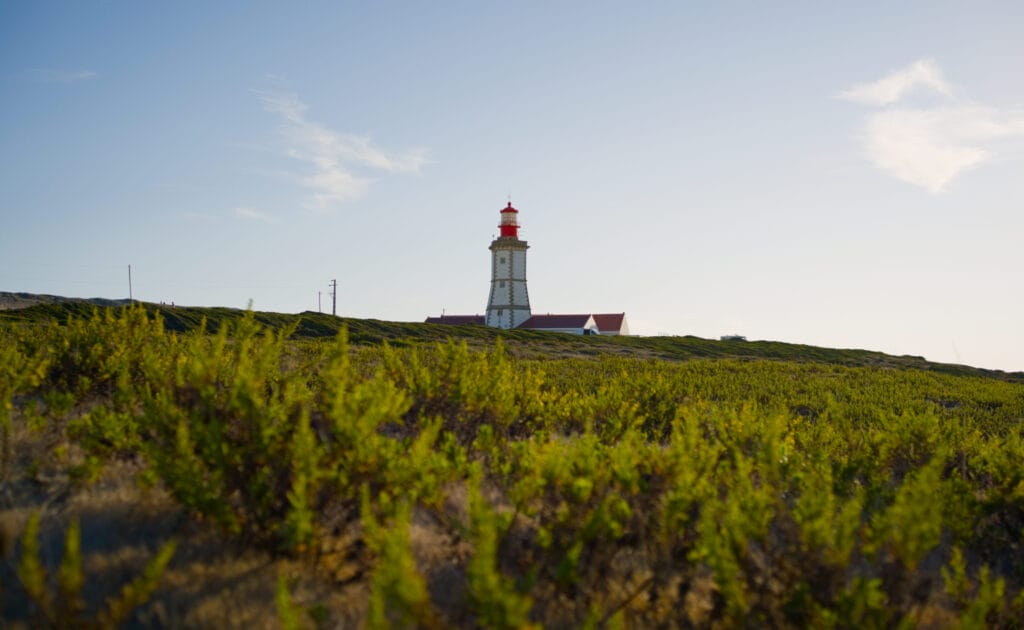
But Cabo Espichel is about more than just its monuments. All around, the landscapes of the Arrábida Natural Park stretch out as far as the eye can see. It’s the perfect playground for hiking! Between the limestone cliffs, vast green expanses, and trails that follow the coast, you feel a bit like you’re at the edge of the world here. Not far away, Praia do Meco and the more secret beaches along the coast offer a gentler side of the Atlantic.
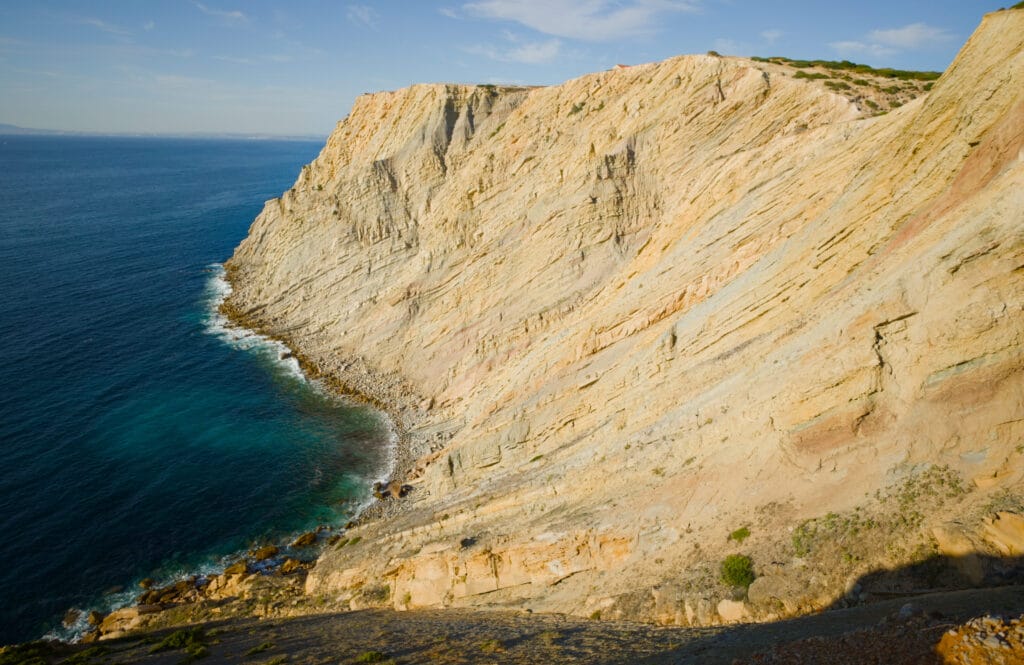
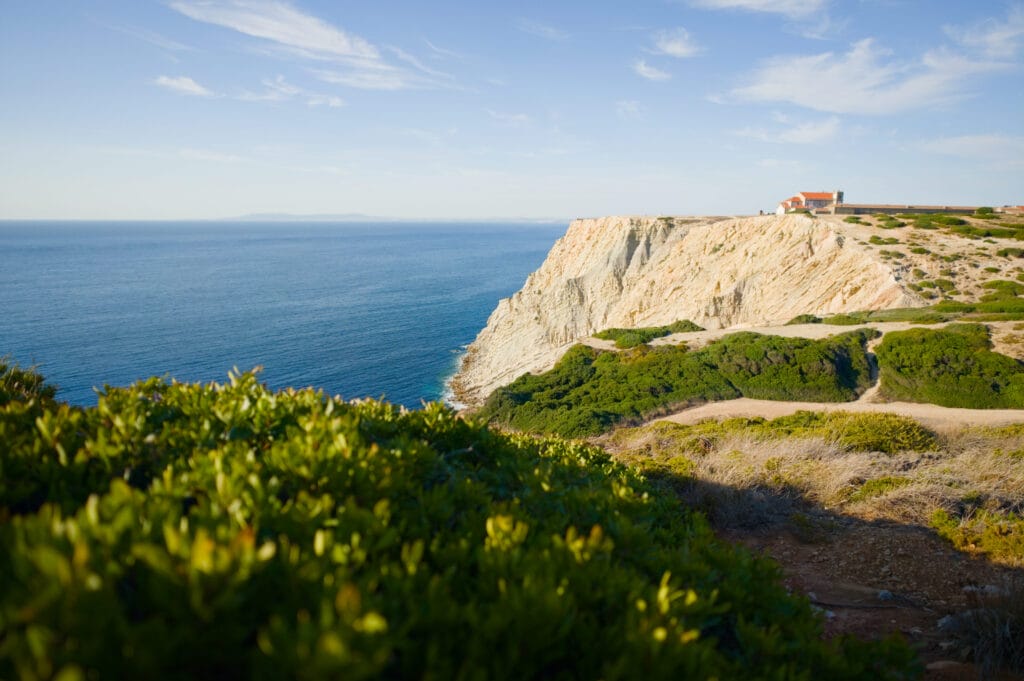
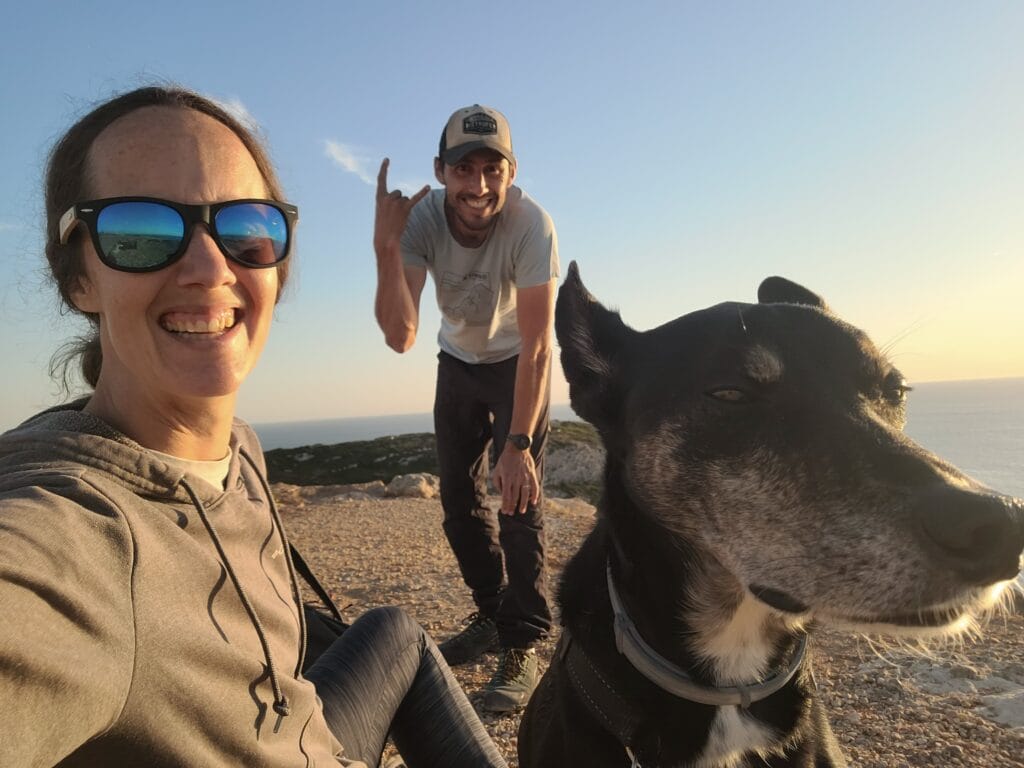
In short, as you might have guessed, we absolutely fell in love with the Arrabida Natural Park! It wasn’t a stop we had planned ahead of time (we actually went back and forth between the park and Lisbon until the very last minute). In the end, no regrets at all!!! We’re so glad we came to discover this little slice of paradise, and if you’re heading to the capital, we highly recommend making a quick detour if you want to enjoy the total tranquility of this wild region.

Join the discussion