After cycling Taroko Gorge, here’s a recap of our trip along with our recommendations for places to visit and hiking trails. Enjoy your visit!
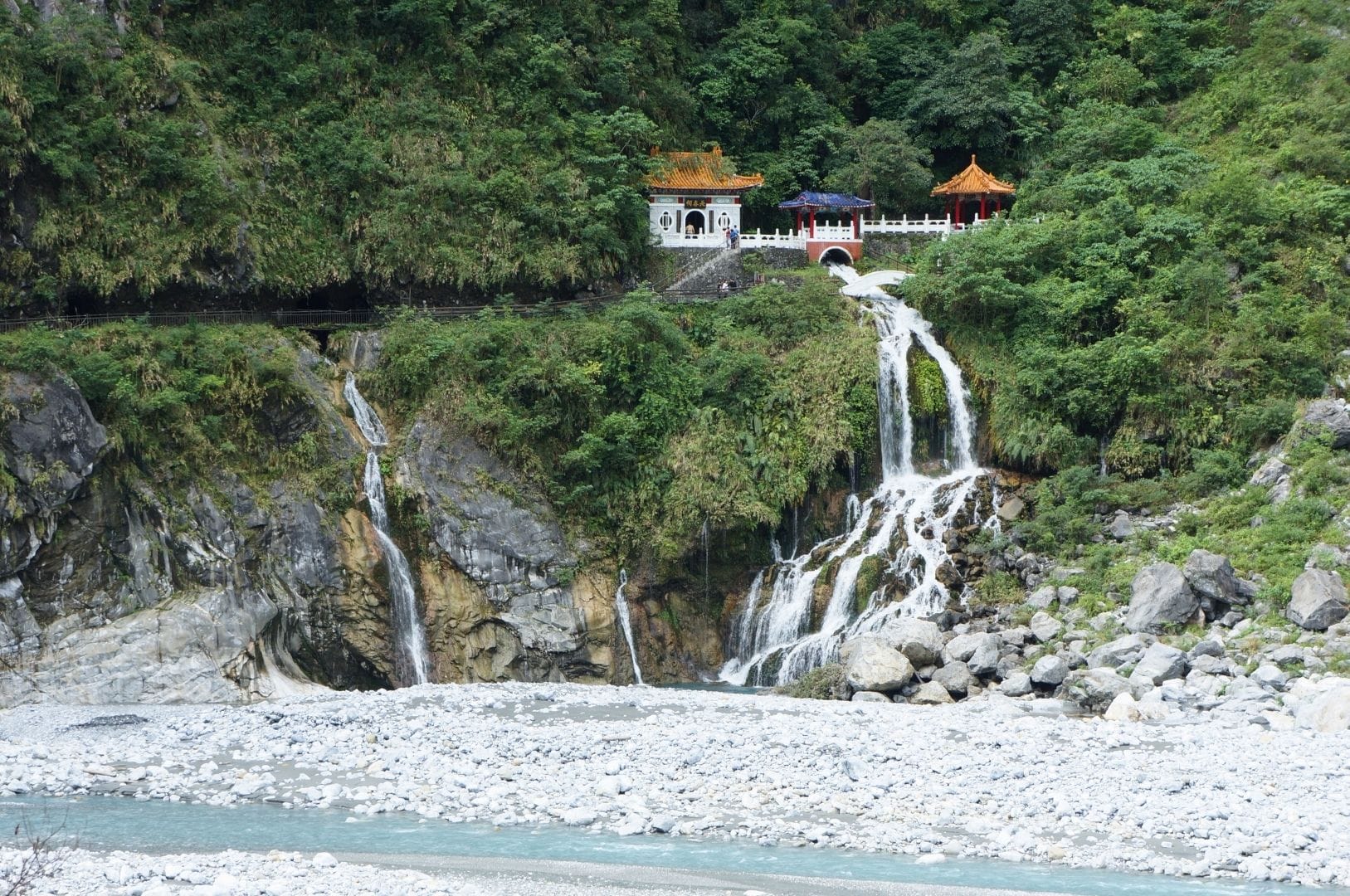
We spent 3 weeks backpacking Taiwan: exploring Taipei, the capital, and cycling along the stunning East Coast with our tents on our backs. Pure magic! Here are our best tips: what to see, what to do, a 1-month itinerary, when to go, and all the practical info you need for your trip to Taiwan.
This article contains affiliate links to partner sites. When you use our links to book accommodation, a car, or an activity, you don’t pay anything extra, but we get a small commission. This helps us to offer you free, independent, and ad-free content. Thank you for your support!
Below is a map of Taiwan to help you plan your itinerary. You’ll find our articles listed by location.
Taiwan has a subtropical climate, which is great news if you love lush, green landscapes! The flip side? It rains. A lot. June through October are the wettest months, and they also happen to be typhoon season. The rest of the year is more stable, though you should always be ready for a surprise shower.
Temperature-wise, things are fairly mild: around 10°C in winter and up to 35°C in summer. Keep in mind that the north tends to be cooler and rainier, while the south is warmer and more humid.
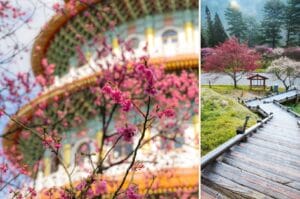
One lovely bonus: Taiwan is a wonderful place to see cherry blossoms, not just Japan! They bloom in January around Taipei in the north, and from late February to early March further south.
The best time to visit Taiwan is generally October through May. Just be aware that the Chinese New Year brings a big spike in crowds.
Tip: Keep an eye on the local weather forecast throughout your stay.
Our own trip lasted 2 weeks, focused on the north and east of the island. Honestly, you need at least 15 days to really get a feel for Taiwan, a country barely smaller than Switzerland!
Here's a 1-month itinerary we'd suggest for exploring the Republic of China (Taiwan's official name).
Note: Of the island’s 23 million inhabitants, nearly half live in Taipei. A large portion also lives in the major cities along the west coast: Tainan, Kaohsiung, and Taichung. To the east, the entire coastline is much more natural and unspoiled! In fact, just look at a map and compare the road networks on each side of the island to see where you’ll be surrounded by nature the most ;). We’ve chosen to present this itinerary counterclockwise, starting from Taipei. This way, you’ll begin with the major cities (with a few excursions into the countryside) and end your trip in wilder landscapes and the mountains!
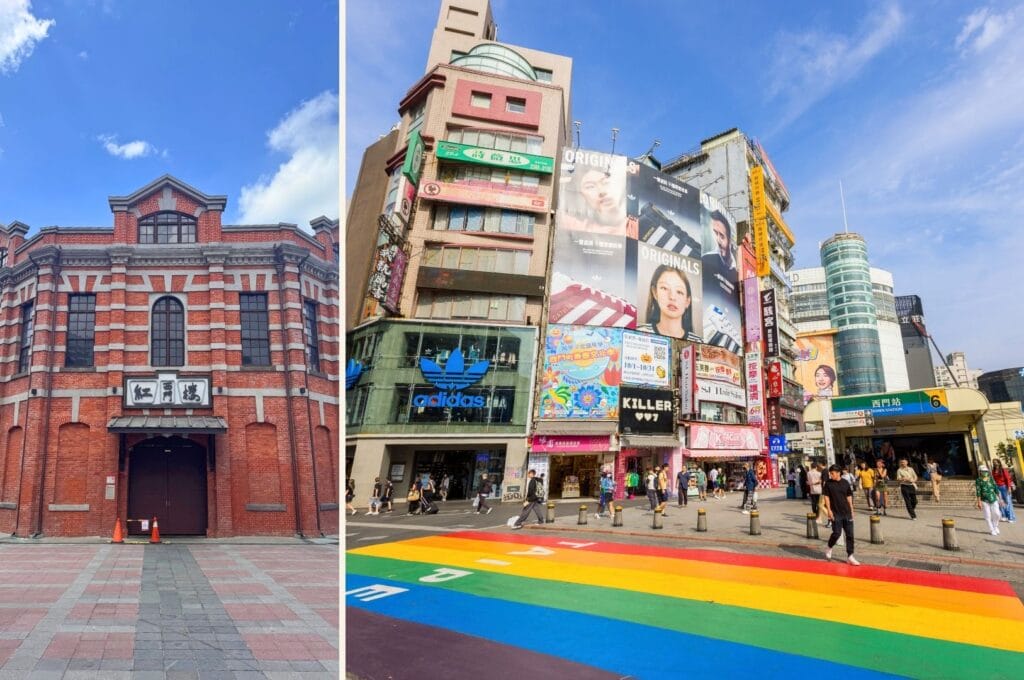
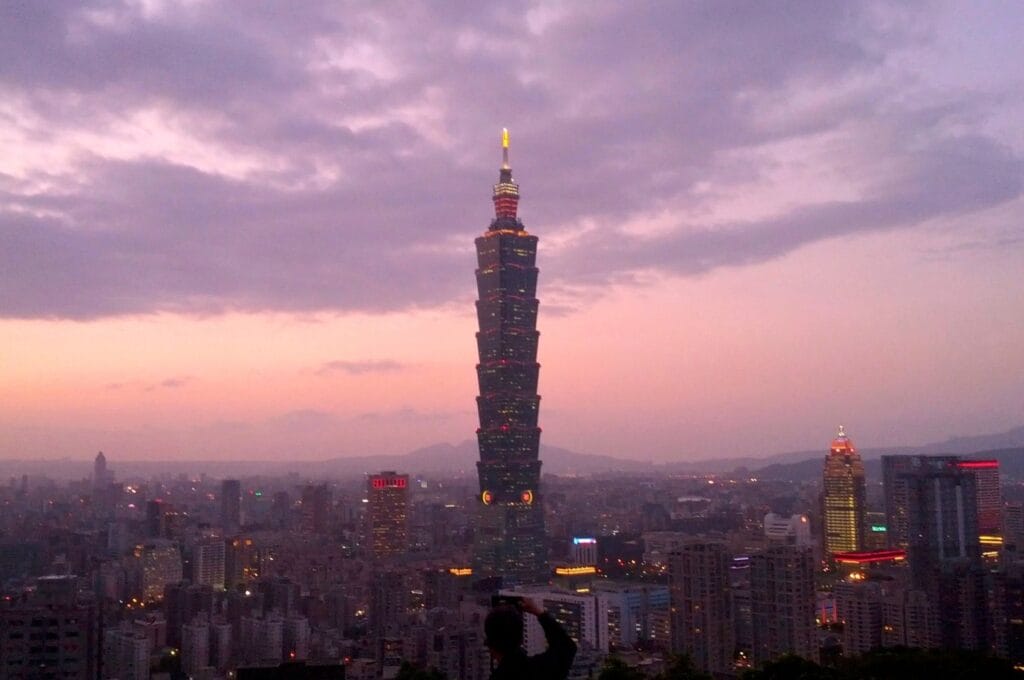
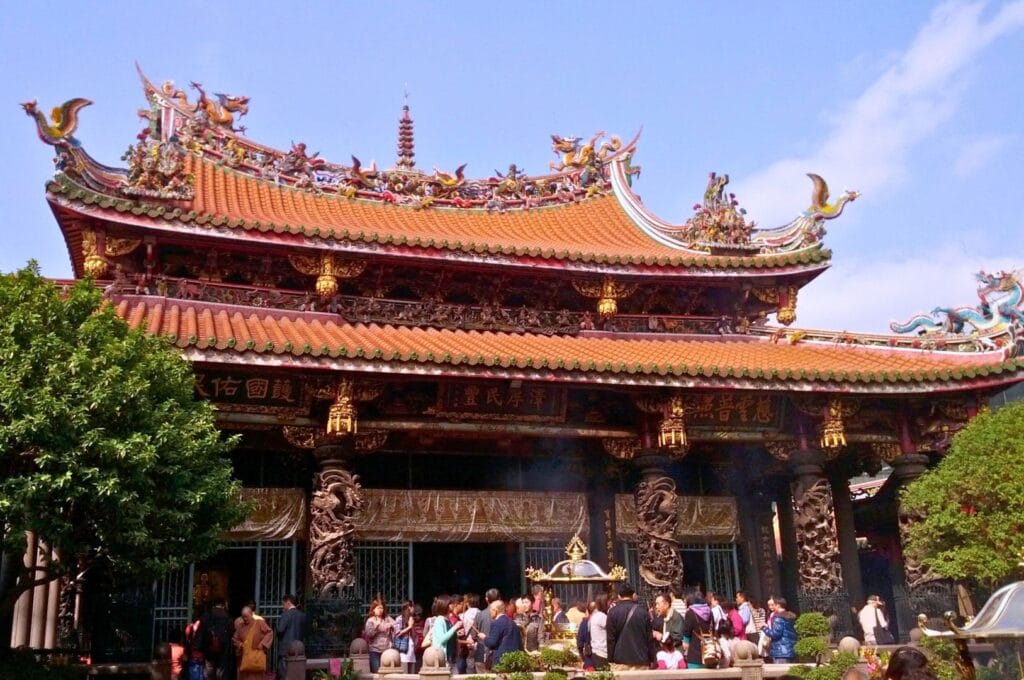
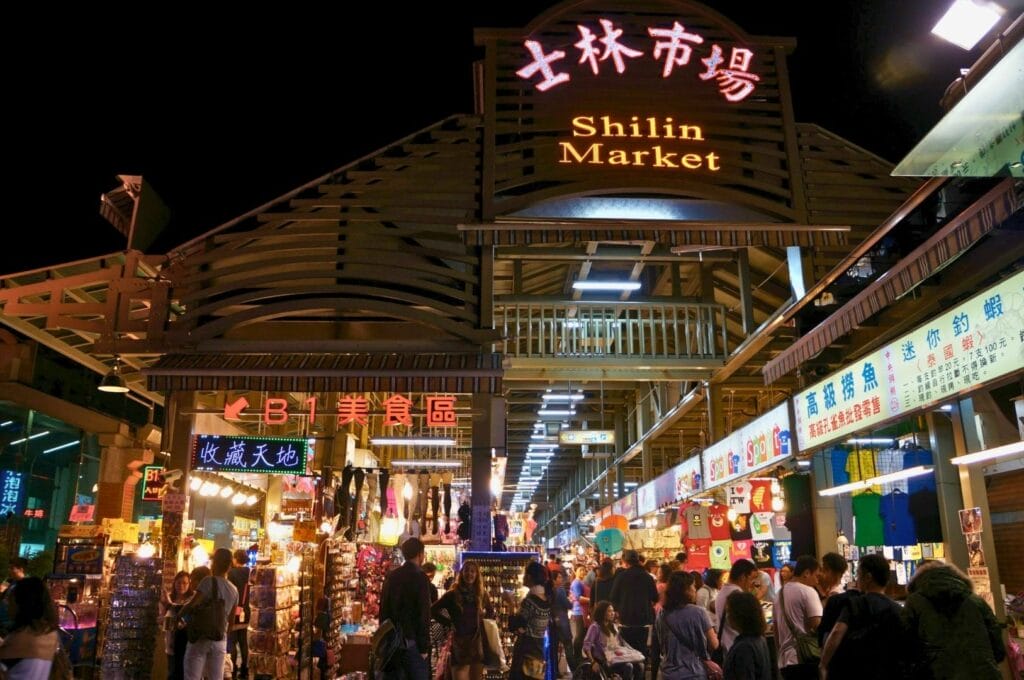
We recommend spending at least 3 days in the Taiwanese capital. Check out our full guide for a complete day-by-day itinerary. Highlights include the iconic Taipei 101 tower, Elephant Mountain, the historic centre, the Chiang Kai-Shek Memorial Hall, Longshan Temple, the Ximending district, the night markets, and so much more.
The northeast blends volcanoes, historic towns, and dramatic coastal scenery. A great change of pace after the buzz of the capital.
The first stop is Yangmingshan National Park. Fair warning: this park is known for being very rainy. Keep a close eye on the forecast and stay flexible with your plans. Don't miss: Beitou and its hot springs, the Mount Qixing trail (4 km, 2 hrs, 400 m elevation gain), the flower fields at Jia Fu Garden, and the Qingtiangang Grassland with its free-roaming water buffalo. A guided day tour is a great option to see the highlights without worrying about transport.
To make the most of the park, we'd suggest a guided day tour. You'll cover the highlights with a local guide without having to worry about transport logistics.
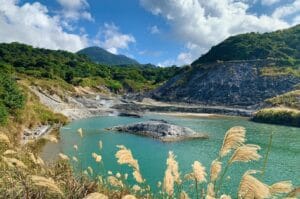
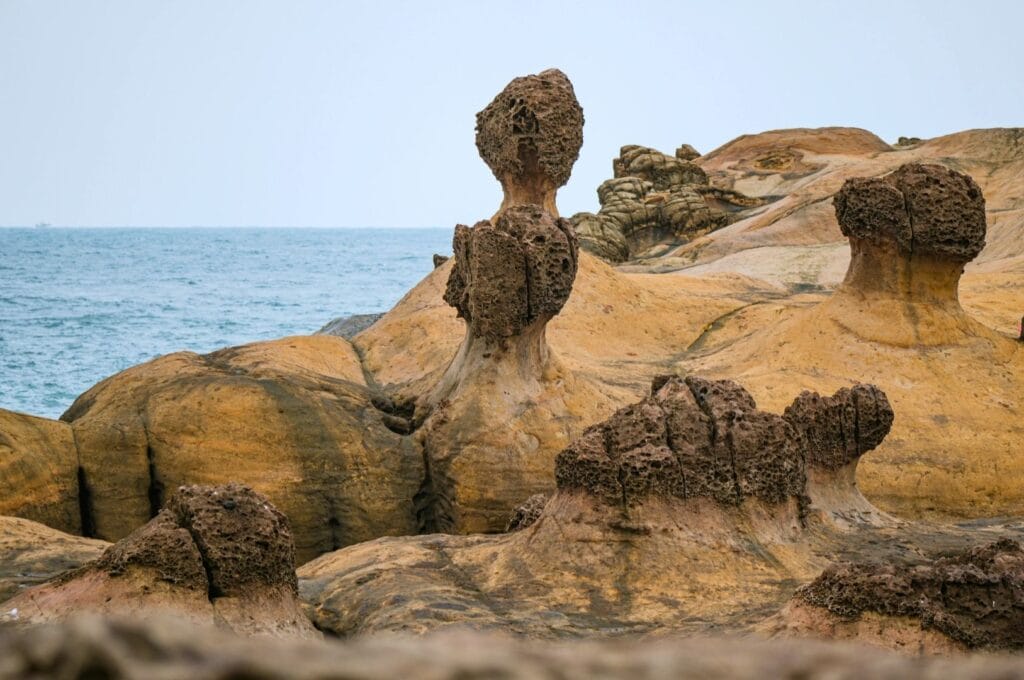
These two spots are only 34 km apart and pair beautifully in a single day from Taipei.
At Yehliu Geopark, the sea and wind have sculpted the coastal rock into extraordinary shapes over millennia. The Taiwanese have given them wonderfully descriptive names, the most famous being the "Queen's Head" (though honestly, it looks more like Nefertiti than Queen Elizabeth II to us!). The site is large enough to escape the crowds if you time it right, but we strongly recommend arriving early on a weekday. Entry is 120 TWD; skip-the-line tickets with an audio guide are available online.
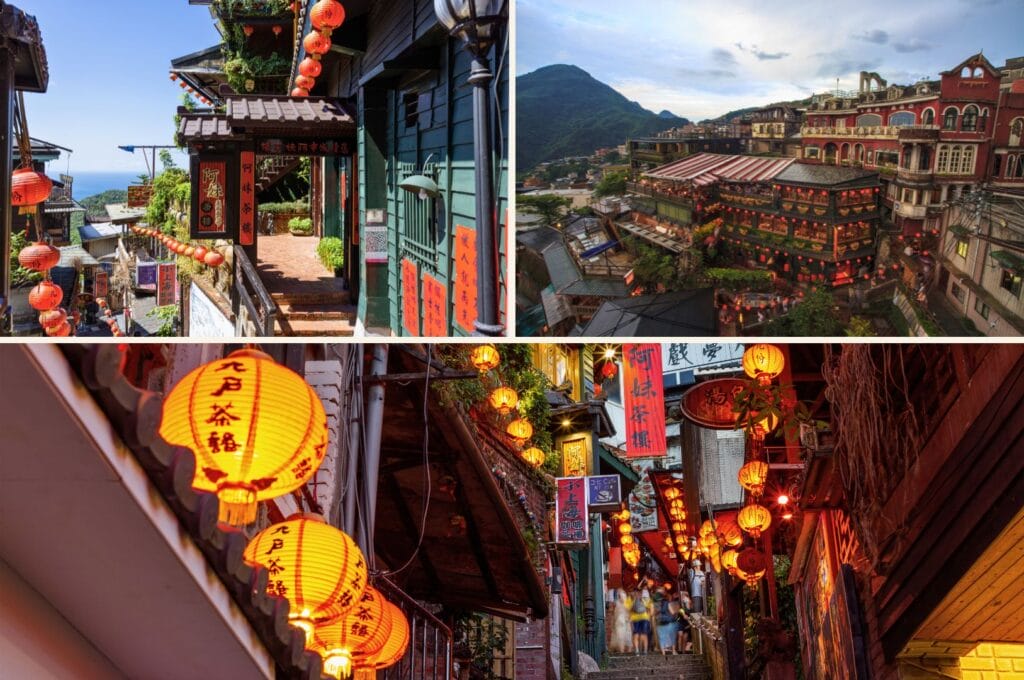
Then it's on to Jiufen, a charming old mining village that supposedly inspired Hayao Miyazaki's Spirited Away. Red lanterns, winding stone staircases, gorgeous tea houses... Visit the beautiful Qingyun Temple, stroll Jiufen Old Street at sunset, and if you can swing it, stay the night! Once the day-trippers leave, the town takes on an almost mystical atmosphere.
The next morning, hike the Teapot Mountain trail (Mount Wuerchahushan), the views are breathtaking! Allow about 2–3 hours to cover the 4–5 km from the Quanjitang parking lot. The Keelung Mountain Trail is a shorter alternative with equally lovely panoramas, though it's a steep climb; allow 1 to 1.5 hours return.
Once a mining village, Houtong is now far better known for its cats: it's officially called Houtong Cat Village these days! Cross the Cat Bridge behind the train station to explore the pedestrian street dedicated to its feline residents. Then head back over the Cat Bridge to discover the area's industrial heritage: the warehouse, museum, Ruisan coal processing plant, Ruisan railway bridge, and Houtong mine park. There's easily a half-day's worth of exploring here.
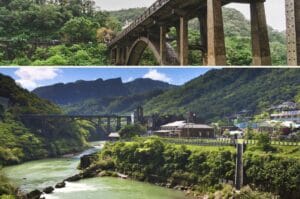
Head west to visit Daxi and Beipu, two charming spots where historic architecture has been beautifully preserved.
In Daxi, stroll the lovely Heping Street (Daxi Old Street), where temples sit alongside local shops, and don't miss the Daxi Bridge, the town's landmark. The local specialty? Dried tofu ;).
In Beipu, you'll get a fascinating glimpse into Hakka culture, an ethnic group of Chinese origin with a strong presence in Taiwan. Walk the Beipu Old Street, and stop by the stunning Jiang A-sin House. This magnificent residence of a wealthy tea merchant was built in 1941 by Taiwanese architect Peng Yuli, who drew inspiration from modern Japanese architecture. The building offers guided tours without reservations from Friday to Sunday (100 TWD per person). We recommend arriving early to secure a spot, as the last tour begins at 3:30 p.m.
Taiwan's third-largest city stands out for its vibrant cultural scene and exceptional food. As with any city, the best approach is simply to wander and get pleasantly lost. That's how you stumble upon the hidden gems.
Head to the Rainbow Village, where an entire neighbourhood has been painted with colourful murals by a 90-year-old veteran who decorated the walls to prevent demolition. The National Taiwan Museum of Fine Arts is also well worth a visit (one of the largest in Taiwan), and it is completely free to enter. Come evening, make your way to the Feng Jia Night Market (Fengchia), the largest night market in the entire country!
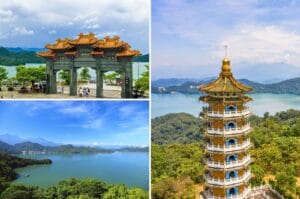
Sun Moon Lake is a must-see in the Taichung area, and indeed, in all of Taiwan! Considered the most beautiful lake in the country, Taiwanese people flock there whenever they can. We recommend spending at least a good half-day there, or even staying overnight to catch the sunset and sunrise. Getting there is very easy; shuttle buses run throughout the day. The best option is to rent a bike once you arrive to cycle around the lake on the 33-kilometer well-maintained bike path and stop at the various points of interest.
Start with the extraordinary Wen Wu Temple, a Taoist complex dedicated to Confucius and the gods of martial arts and war, perched dramatically above the lake. Then take the cable car up to the Formosan Aboriginal Cultural Village, which combines a cultural centre exploring the traditions of Taiwan's indigenous peoples with a full amusement park. Budget 380 TWD for the cable car and 980 TWD for the village entry. The site is huge and will easily take more than half a day.
Head back down (by cable car or on foot) and make your way to Ita Thao, an aboriginal village known for its traditional crafts. Stop next at the peaceful Xuan Zang Temple, a small Buddhist temple with a lovely panorama over the lake. Finally, end your loop at the pretty Ci'en Pagoda, built by President Chiang Kai-shek in memory of his mother. Climb to the top for one final view over the water.
Just 45 minutes from Taichung, Lukang is well worth a detour, and still largely off the mainstream tourist radar. This former 18th-century trading capital has a gorgeous old town of red-brick alleyways, ornate baroque-style temples, colonial buildings, and traditional craftspeople. Make sure to find Mo Ru Lane, an alley barely 70 cm wide whose name loosely translates to "breast alley", we'll leave you to figure out the why! Budget about half a day here.
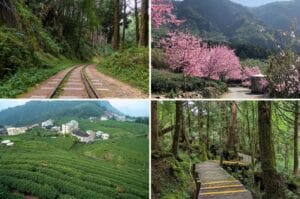
Continuing south, Alishan is one of Taiwan's most beautiful regions: ancient forests, tea plantations, seas of clouds, and cherry blossoms in late February to early March.
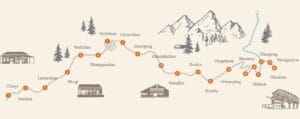
If you could only do one thing in Alishan, it would be riding the Alishan Express. This scenic mountain train links Chiayi city to the Alishan Forest at high altitude, passing through several points of interest along the way. Once you reach the Alishan National Forest Recreation Area (not the village of Alishan itself), you're spoiled for choice:
Bonus: We recommend checking out this guide as well as the official website of the Alishan National Forest Recreation Area.
Tainan is another cultural destination in Taiwan. The oldest city in the country (founded in 1624) and former capital, Tainan, is also widely celebrated as a gastronomic destination!
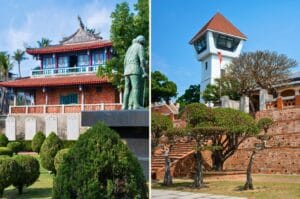
For sightseeing, we'd recommend a mix of:
Tip: You may read that the Sicao Green Tunnel mangrove in Taijiang National Park is a must-see. In our experience, it's more of a tourist trap than a hidden gem. We'd skip it.
Kaohsiung is defined above all by Lotus Pond and its iconic Dragon and Tiger Pagodas. Legend has it that entering through the dragon's mouth and exiting through the tiger's brings good fortune. The surrounding area is also home to several other worthwhile temples and pavilions: Chiji Temple, Wuliting Pavilion, the Spring and Autumn Pavilions, and the Zuoying Chiming and Zuoying Yuandi Temples. Closer to the city centre, the beautiful Sunfong Temple is well worth visiting both by day and by night, when its lanterns create a magical atmosphere.
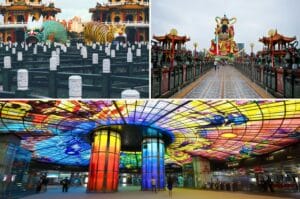
On the cultural side, the Pier 2 Art Center is an indie, creative hub right on the waterfront, with great food and art in all its forms. Don't miss the Formosa Metro Station and its breathtaking illuminated dome, considered one of the most beautiful metro stations in the world. For the evening, the Liuhe Night Market nearby is a favourite with locals and visitors alike.
We'd also recommend a visit to the vast Fo Guang Shan Buddhist Complex, one of the largest in the world. And if time allows, hop on the ferry to the Cijin Peninsula, known for its charming old town and exceptional seafood.
Bonus: spend 2 nights on Xiaoliuqiu Island (Lambai Island), departing from Donggang (more info on transportation). A hidden gem of beaches, temples, and snorkelling with sea turtles.
Time to explore the southern tip of Taiwan. Kenting National Park is a stunning mix of beaches, mountains, lush vegetation, and easy trails. We recommend staying in the fortified town of Hengchun, right at the park gates, served by the Kenting Express bus from Kaohsiung's Zuoying station (about 2 hours). Check the schedule online.
But what makes Kenting so special? It’s a mix of beaches, mountains, lush vegetation, and short walks… In short, breathtaking scenery! The best way to explore the area is by vehicle, whether it’s a car, a scooter, or a bike, electric or not. Whatever your mode of transportation, you’ll find rental agencies in Hengchung. Otherwise, a bus tours the park if you prefer not to drive. Check the route online.
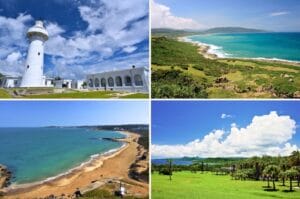
We strongly recommend staying at least two days to explore all the wonders of Kenting National Park!
Here are the key highlights going clockwise:
Note: If you only have one day to spend in Kenting, we recommend taking a guided tour so you don’t miss any of the must-see sights.
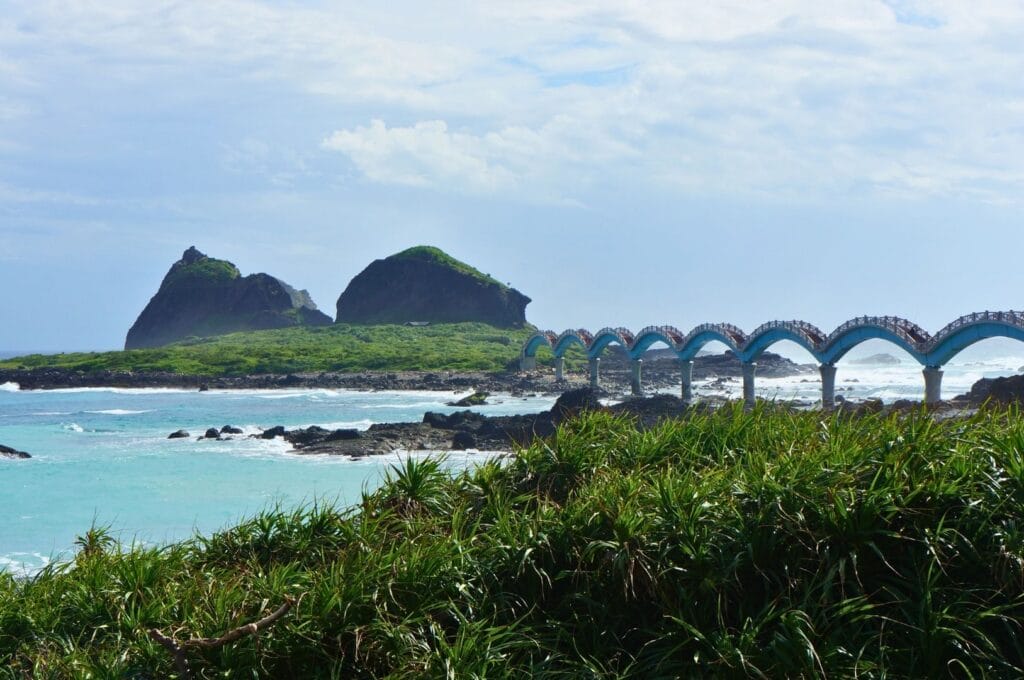
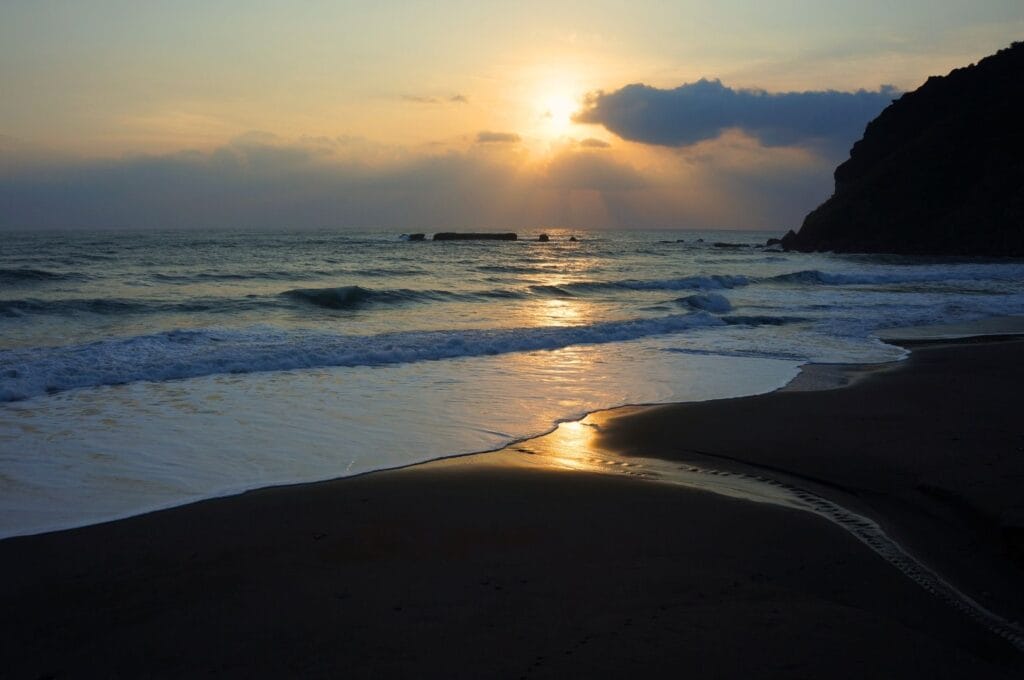
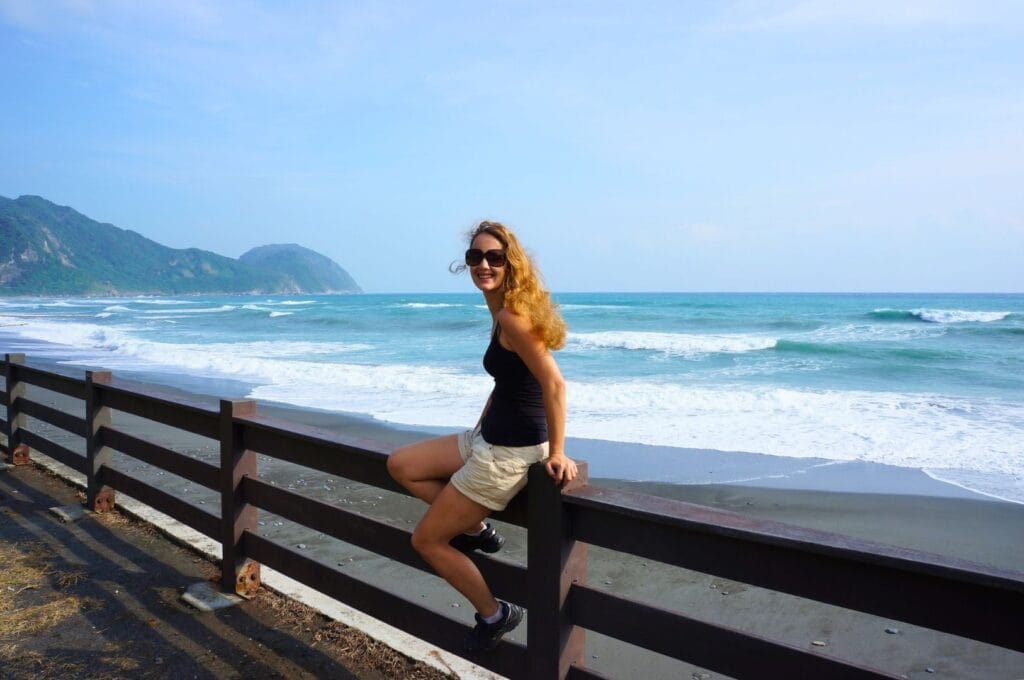
After the west coast, it’s time to explore Taiwan’s east coast!
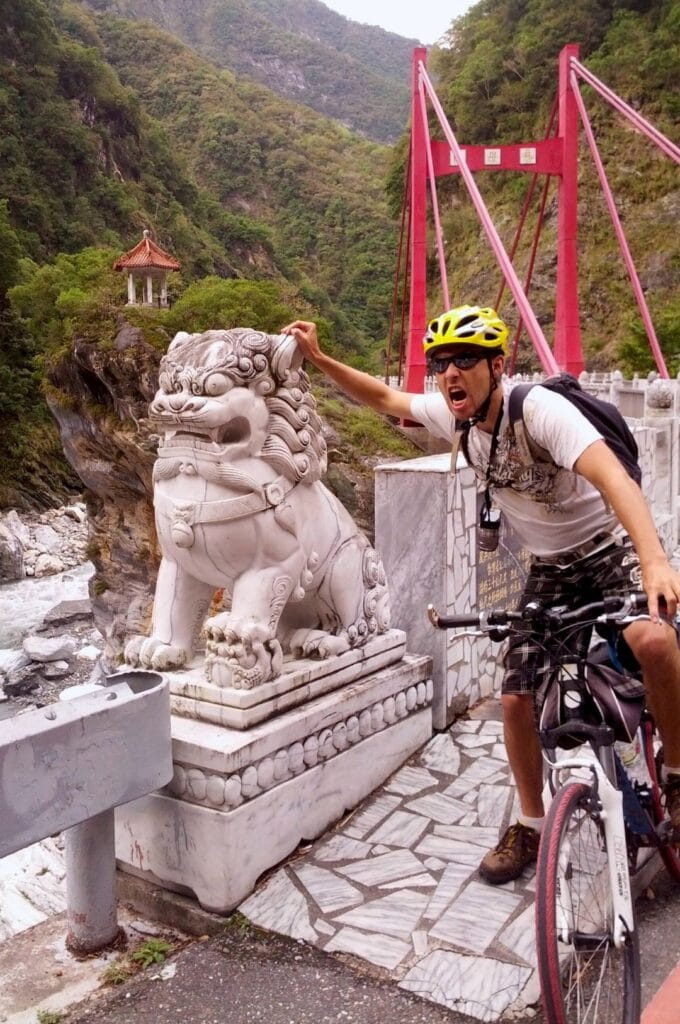
For outdoor enthusiasts and adventure seekers, we can't recommend cycling the east coast highly enough! It takes 4 days for a one-way trip, or up to 8 days for a round trip starting from Hualien and passing through Kenting National Park.
Whether you explore it by bike, public transportation, or car, we’ll walk you through all the highlights in this article.
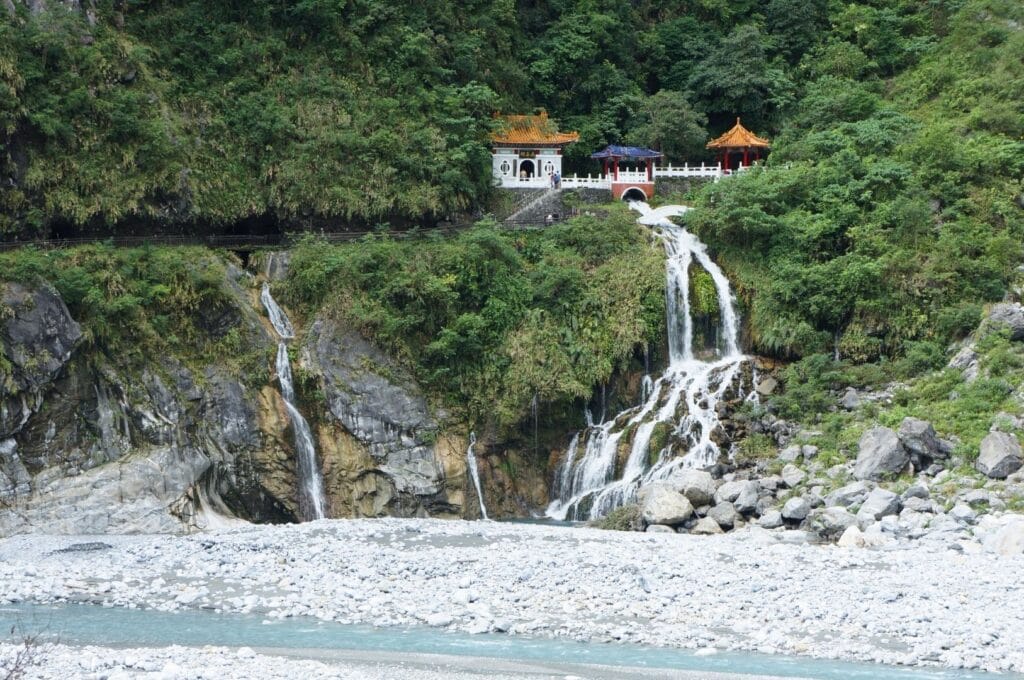
Taroko Gorge is one of Taiwan's true natural gems: a dramatic white marble canyon with a turquoise river winding far below. In short, we think it’s a must-see! Find all the practical information in our dedicated article.
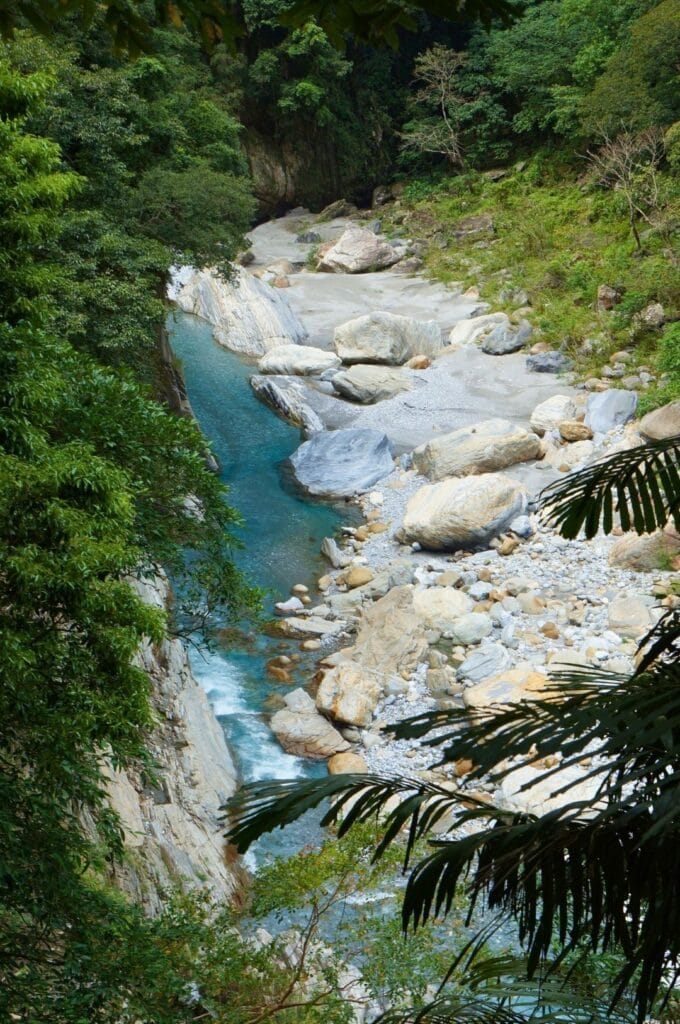
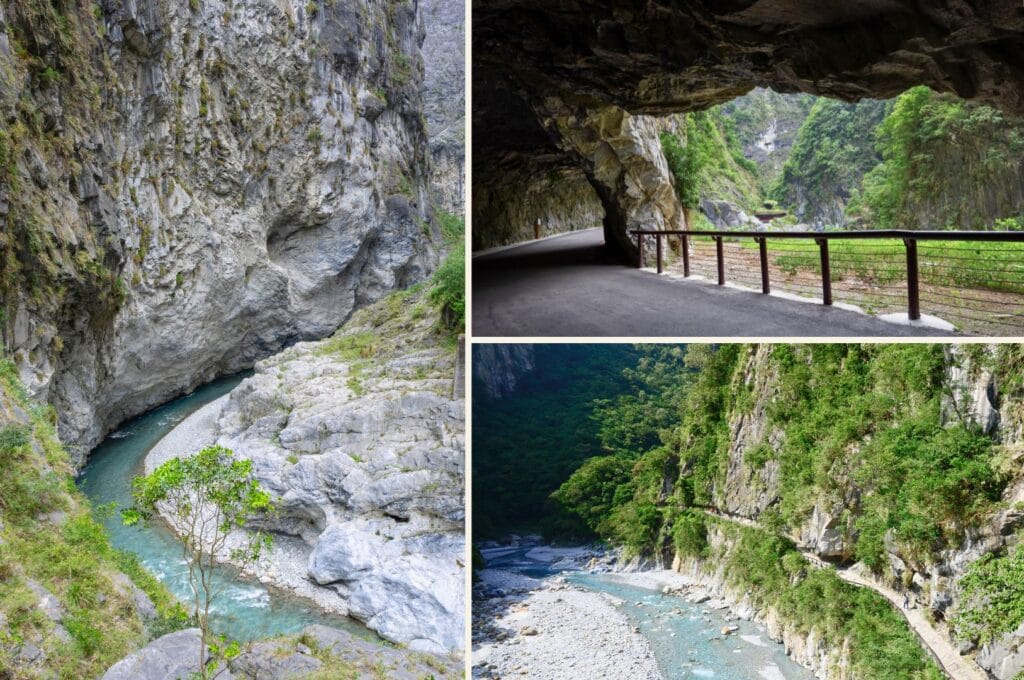
The final stop on this backpacking itinerary is a lesser-known region that feels like a true sanctuary. Taipingshan National Forest Recreation Area is comparable to Alishan but far less touristy. Multiple trails weave through the ancient forest, and a charming little train (the Bong Bong Train) trundles through part of the area. Full practical details are available on the official regional website.
Taiwan is much easier to backpack than mainland China: a good chunk of people you meet will speak English. We organised our entire trip independently, following tips from friends who lived on the island at the time. That said, if you'd prefer local guidance on logistics, Evaneos is worth exploring. They work exclusively with carefully vetted local agencies and offer 100% tailor-made itineraries for all tastes and budgets.
Why choose Evaneos? The biggest advantage is that this agency works exclusively with local agencies that they select for their reliability. They guarantee the same prices as those offered directly by the local agency. We invite you to compare the tours to get inspiration for your own itinerary.
Check out tours in Taiwan with Evaneos
Taiwan has several airports, but flights to Taipei’s Taiwan Taoyuan International Airport are significantly cheaper than those to other airports. So even if you plan to visit Kaohsiung or Taichung, for example, it may be much more economical to fly to Taipei and then continue your journey directly by train.
To travel to Taiwan, you can find direct nonstop flights from Paris starting at around 840 euros. Of course, flights are more expensive during peak season ;). To book, the best approach is to compare prices on Skyscanner by selecting various combinations of departure cities and dates.
Taiwan's currency is the New Taiwan Dollar (TWD / NT$). The rate has been fairly stable for years at roughly 1 EUR ≈ 37 TWD. But do check the live rate before you leave!
Credit cards are widely accepted for payments at restaurants and hotels. However, be sure to bring some cash for small shops and food stalls, which rarely have card terminals. There are plenty of ATMs, and during our visit, we had no trouble at all withdrawing money. To minimize bank fees during your trip, we recommend checking with your bank or signing up for an online bank like N26.
Taiwan is clearly not the cheapest destination in Asia for bacpackers, but rest assured, it’s still reasonably priced! Expect to spend around €28–€40 per person per day, depending mainly on your accommodation choices and transport style.
Your daily spend will depend a lot on your choices in terms of accommodation and transport, as well as how many regions you plan to cover. To explore the country outside of Taipei, many travellers choose to rent a car for the flexibility it offers. Car rental in Taiwan typically runs around €60 per day. We recommend comparing prices on Rentalcars.

As for us, we explored Taiwan using nothing but public transport and... our legs! We chose to cycle the East Coast on rental bikes, and after a bit of negotiating, we got two bikes for just €17 per day for both!
Read our article about our 7-day cycling trip
To give you a concrete idea, our average daily budget came to €29 per person. But our trip is probably not the most representative example for this country. In Taipei, we stayed with a Swiss friend who had moved there, and during the cycling leg, we did a lot of wild camping. In short, we barely spent anything on accommodation, paying for just 3 nights across the entire 3 weeks. On the other hand, we splurged on great restaurants, fun bars, and nights out, and regularly treated our host to drinks and meals. All things considered, I think budgeting around €30 per day is a pretty reliable target for most travellers backpacking in Taiwan.
If you're already in Southeast Asia, you'll find that accommodation in Taiwan is a bit more expensive than in neighboring countries... In major cities, you can easily find hostels for between 10 and 20 euros per bed. Otherwise, double rooms cost at least 20 euros per night.
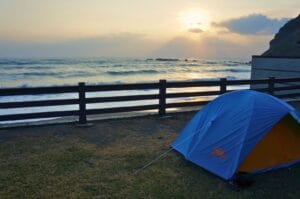
Camping is a perfectly viable and very rewarding option. We loved camping along the East Coast and in the Taroko National Park, and it's a great way to keep costs down while backpacking Taiwan.
Great news: you don't need a visa to travel to Taiwan if you are a citizen of France, Belgium, Switzerland, or Canada. You'll need a passport valid for at least 6 months from your entry date, proof of onward travel (a return or connecting flight), and a completed Arrival Card submitted online via the official Taiwanese government website, no more than 3 days before arrival. On entry, you'll automatically receive permission to stay up to 90 days.
Note: visas cannot be renewed or extended, with the exception of Canadian passport holders, check the official government site for details. If you have another nationality, contact your nearest Taiwan representative office.
There are no vaccinations strictly required before travelling to Taiwan, but :
For precise information on vaccines, we recommend the website of the Centers for Disease Control and Prevention.
As travelers, it's also worth knowing that Taiwan's healthcare system has a very solid reputation. Hospitals and medical care are of high quality, especially in Taipei. Needless to say, having international travel insurance is strongly recommended for any trip outside Europe. Don't have any? Take a look at our comparison for short stays or if you're planning a longer trip.

Public transport is extremely well-developed across the country. It's very easy to get around Taiwan by bus or train. And for the more adventurous, doing a full loop of the island is something of a rite of passage for Taiwanese people! We talk about it in more detail in our article on cycling in Taiwan.
The first thing to do when you arrive is buy an EasyCard. This invaluable card will make getting around a breeze, whether in Taipei or elsewhere in the country. You load it with credit and use it like a bank card for every journey: metro, train, ferry, bus... You can buy one online and top it up almost anywhere.
As we mentioned when talking about arriving in Taipei, cleanliness is the hallmark of public transport here, and the metro is no exception. We'd genuinely recommend taking the metro (MRT) in every major city: Taipei, Kaohsiung, Taoyuan, and Taichung. Tickets are inexpensive and it's the best way to get around town, in our view.
When it comes to rail travel, there are two types of trains to know about.
On one hand, there's Taiwan's high-speed rail, the Taiwan High Speed Rail (HSR). This bullet train serves 12 stations along the entire west coast, from Taipei to Kaohsiung (Zuoying), with a journey time of around 1.5–2 hours. Tickets are slightly more expensive than regular trains, but a discount is often available if you book as early as possible, tickets go on sale one month in advance. If you plan to take the HSR frequently, you might want to consider the THSR Pass for unlimited journeys. All the useful information is available on this website.
On the other hand, there's the regular train (TRA or TRC). Tickets are cheaper than the HSR, and the big advantage is that the TRA network covers the whole country! We'd recommend it for shorter distances or for travelling along the east coast.
Check the official website for timetables and to book your tickets.
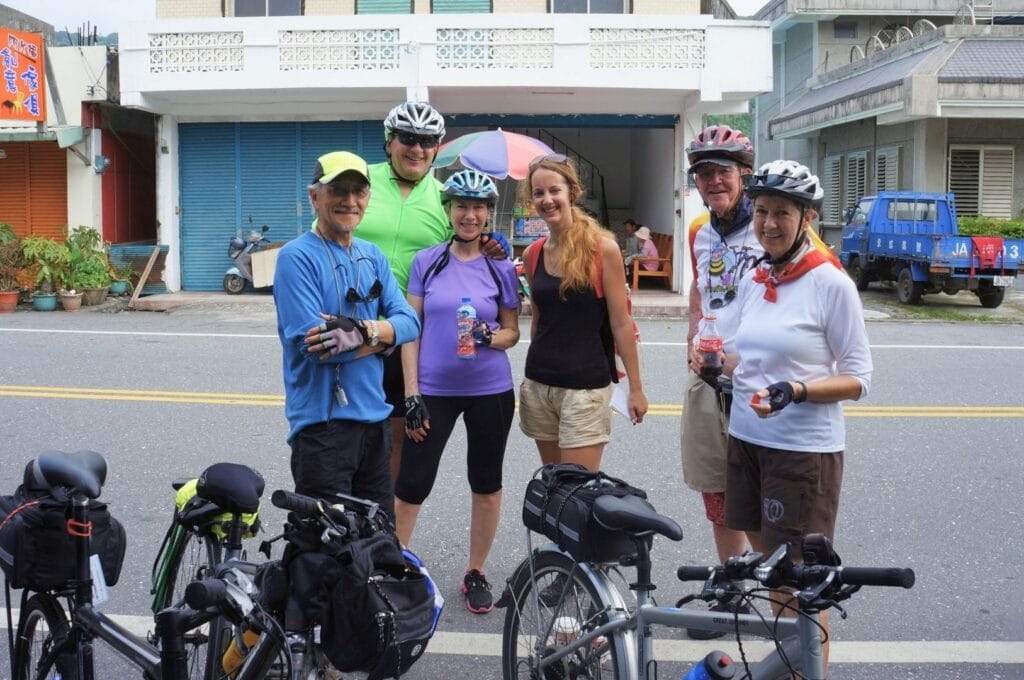
To explore the rest of the country outside of Taipei, you can either continue using public transport (which works perfectly well!) or rent a car, a scooter, or a bicycle. Roads in Taiwan are paved and well-maintained, so there's no issue covering the kilometres ;). Whatever your preferred mode of transport, you'll usually find rental agencies clustered around the train station in most towns.
For car rental, we recommend comparing prices on Rentalcars. Budget around 2,000–3,000 TWD per day.
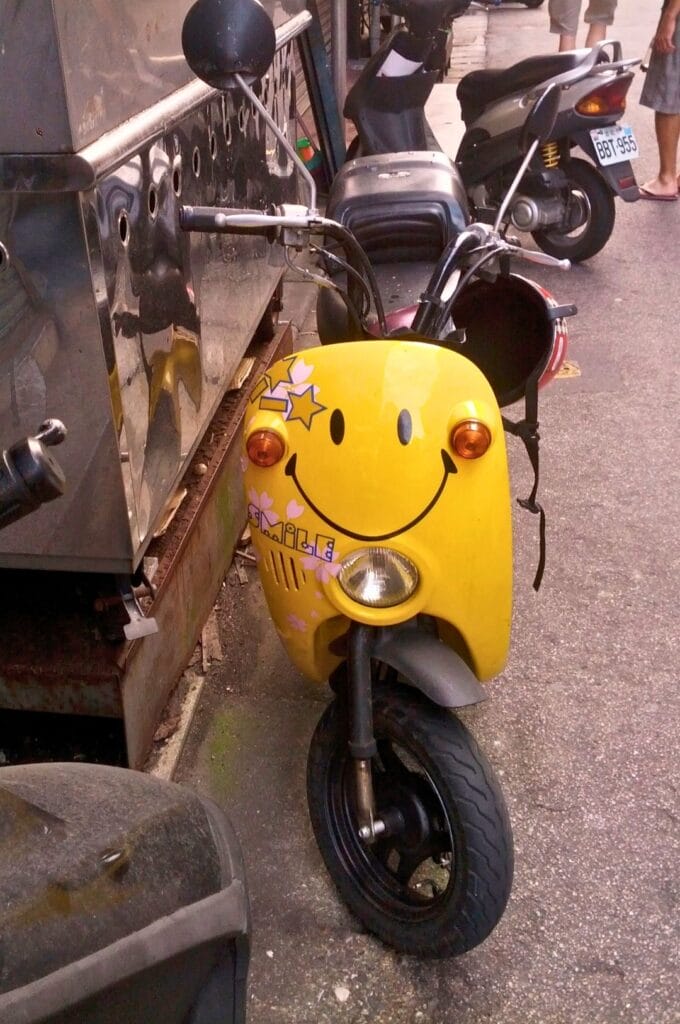
Fair warning: Taiwan is very much a scooter country! To rent one, you'll need a valid international driving licence. Electric motorbikes are the only exception and don't require a specific licence. A day's rental costs around 500 TWD. Keep in mind that if your international licence doesn't include a motorcycle endorsement, your travel insurance won't cover you if something goes wrong. Check out our tips for riding a scooter abroad, it's written for Thailand, but just as relevant anywhere in the world ;).
Finally, if you'd rather explore Taiwan under your own steam, the island is absolutely perfect for cycle touring. We were lucky enough to ride the East Coast that way, and the experience was incredible. We give you all the details on renting a bike in our dedicated article.
The official language in Taiwan is Mandarin (standard or Taiwanese). We're honestly not knowledgeable enough to tell the difference, but our Taiwanese friend told us it's the same language, just with different expressions and intonations. For us, the situation was similar to mainland China: we didn't understand much!
That said, unlike in China, Taiwanese people speak English reasonably well: younger people speak it fluently, and older generations a little less so, but still well enough to get by. As for signs, you shouldn't get too lost: everything is translated into English ;).
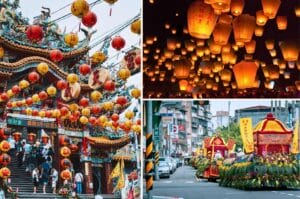
Like other countries in Southeast Asia, most festivals, celebrations, and public holidays in Taiwan follow the lunisolar calendar. This means the dates change every year.
Taiwanese cuisine is a delicious blend of flavours, shaped by Chinese and Japanese influences. We already covered the dishes to try in Taipei; here's a more complete list of the specialties you'll find all across Taiwan.
Breakfast is sacred on the island, and there's simply no escaping dan bing on your trip to Taiwan! These thin savoury crepes filled with spring onions are just delicious! They are served plain, or with egg or fried crullers.
Here are other common dishes you'll find in every breakfast restaurant:

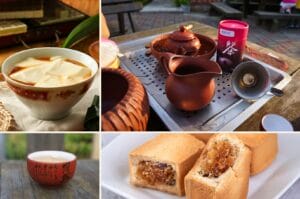
Here are the desserts you'll most commonly see on menus across Taiwan:
Beyond the drinks already mentioned in the breakfast section, two beverages stand out:

Time zone: Taiwan is in the UTC+8 time zone in summer and UTC+7 in winter. That means when it's noon in Paris, it's 6 p.m. in Taipei in summer and 5 p.m. in winter.
Power sockets: Taiwan uses Type A and B plugs — the ones with two flat pins. You'll need a universal adapter. The voltage is also different: 110 volts rather than Europe's 220 volts.
Internet: Taiwan is VERY well connected. You'll find Wi-Fi everywhere: guesthouses, cafés, you name it. Mobile coverage is also excellent in cities, and while it can be a little patchy in the mountains, overall it's very good.
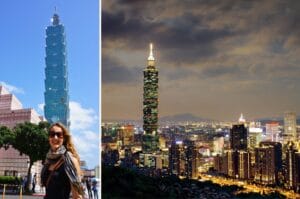
After cycling Taroko Gorge, here’s a recap of our trip along with our recommendations for places to visit and hiking trails. Enjoy your visit!
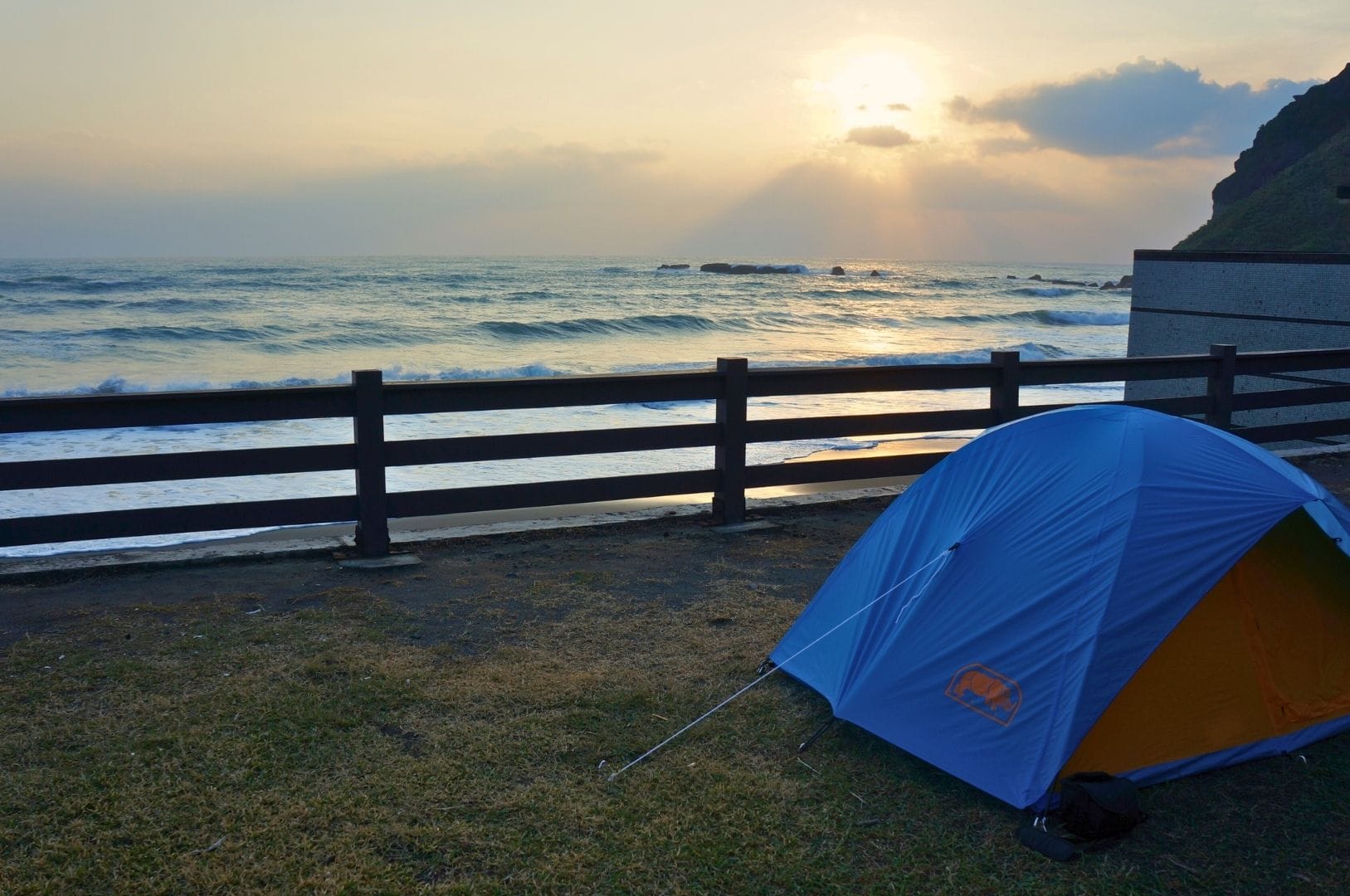
Fabienne suggested we explore Taiwan’s East Coast by bike. Here we are, riding with the wind in our hair through incredible scenery. Follow the guide!
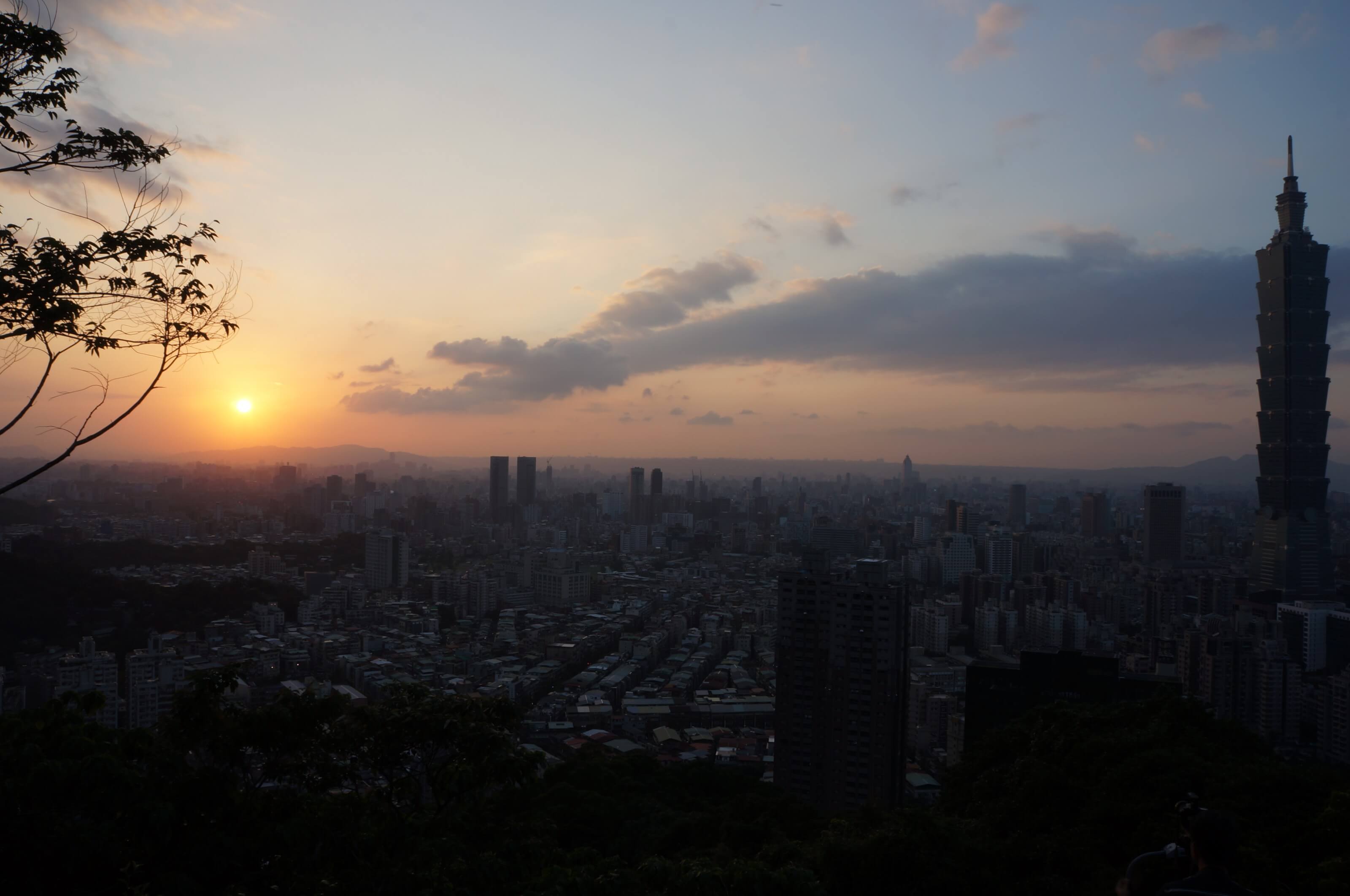
Join us for three epic days in Taipei! The Taipei 101 tower, tea tasting, old alleyways... Taipei is full of gems! Enjoy your visit :)