Today, we’re sharing one last post to wrap up our series of articles on Turkey. You’ll find our impressions and opinions, our travel budget, and our favorites from this country straddling East and West. This wasn’t our first time in Turkey. We had already passed through in a flash at the end of our round-the-world trip, but back then we only spent a few days in Istanbul in winter. That trip whetted our appetite and gave us a burning desire to come back and see more. Alright, let’s do the math!
We took this trip in 2019, but we fully revised and updated the article in October 2026. If you notice any price changes or have extra information that might be helpful, feel free to leave us a comment!
Travel budget in Turkey: how much did we spend?
Time for the numbers! As usual, we share all our expenses so you can get an idea of the travel budget. This is, of course, purely for information.
Total budget
In total, we spent 40 days in Turkey. Here is the total budget for 2 people.

So we spent 1,813 euros over 40 days for 2 people, which comes to an average daily budget of about 22.7 euros per person.
This budget covers all our expenses on the ground, but it excludes the cost of getting to the country as well as our running costs such as travel insurance (or our taxes ;)).
Note: your travel budget for Turkey will vary depending on your itinerary. The more touristy a region is, the more expensive it is. You may say that’s only logical, but it’s really pronounced here! During our stay, Istanbul and Cappadocia were the 2 most expensive spots in the country.
One last point: prices in Turkey also tend to vary quite a bit with the tourist season! We traveled in May and June and noticed that prices go up a lot from the end of May. That said, we were also there during Ramadan. It pushes prices up in some places, but in others (like Konya) it makes them plummet…
Here are the detailed expense categories with our comments.

Accommodation budget
Our accommodation budget is relatively high compared to the rest. Since we were working and traveling at the same time, we chose an apartment rather than a hotel or guesthouse. This costs more for accommodation, but it lets us cut the restaurant budget by cooking more ourselves. That also explains why the grocery budget is higher than the restaurant budget.
We were very pleasantly surprised by the excellent value for money of the accommodation on this trip! As you can see above, we never spent more than 30 euros a night on a place to stay (except in Alinca). And every time we had lovely private rooms or even great fully equipped apartments!
Here is the complete list of the accommodation we chose in Turkey and what we thought of it:
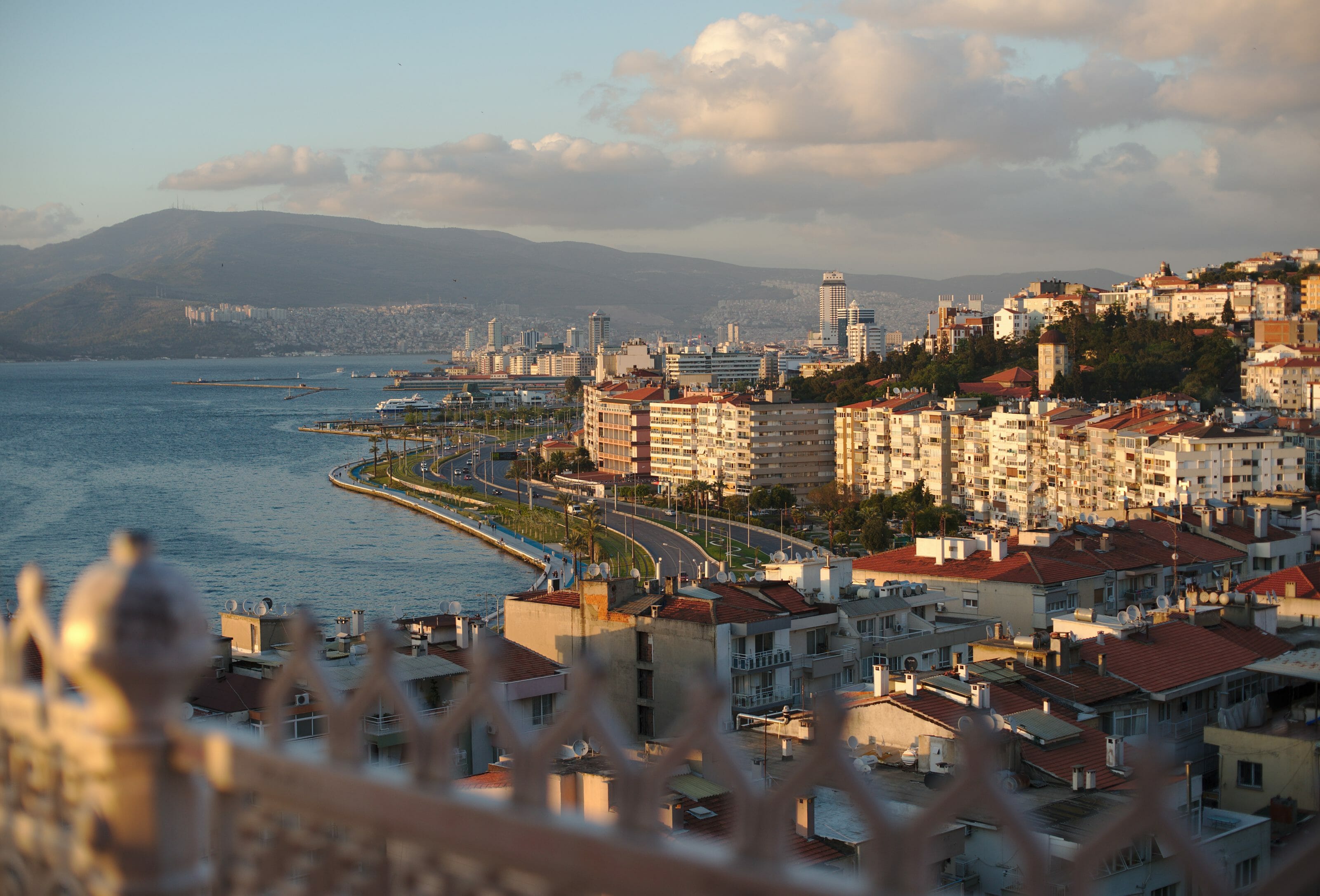
Izmir: In Izmir, we booked an apartment before arriving. A night cost us 188 TL (about 28 euros). It was a lovely studio! Not very big, but the terrace and its view over the city gave it incredible charm!

Şirince: We stayed at the Sirince Pension and it was great. We showed up without a reservation and managed to get a room for 30 euros a night. It was our “priciest” night, since breakfast wasn’t included. Sirince is quite touristy and therefore a bit more expensive!
Pamukkale: Here too we arrived without a reservation and ended up at the Beyaz Kale Pension. A clean double room with a swimming pool and a nice breakfast included. We paid 150 TL a night for 2 here, about 22 euros.
Fethiye: We stayed in a really nice apartment, the Artim apart hotel. In total, the apartment cost us 150 TL a night and we loved it! It was clean, spacious and had a good wifi ;). We spent 4 nights there before our long hike, then came back for 4 more nights to rest and work a bit.
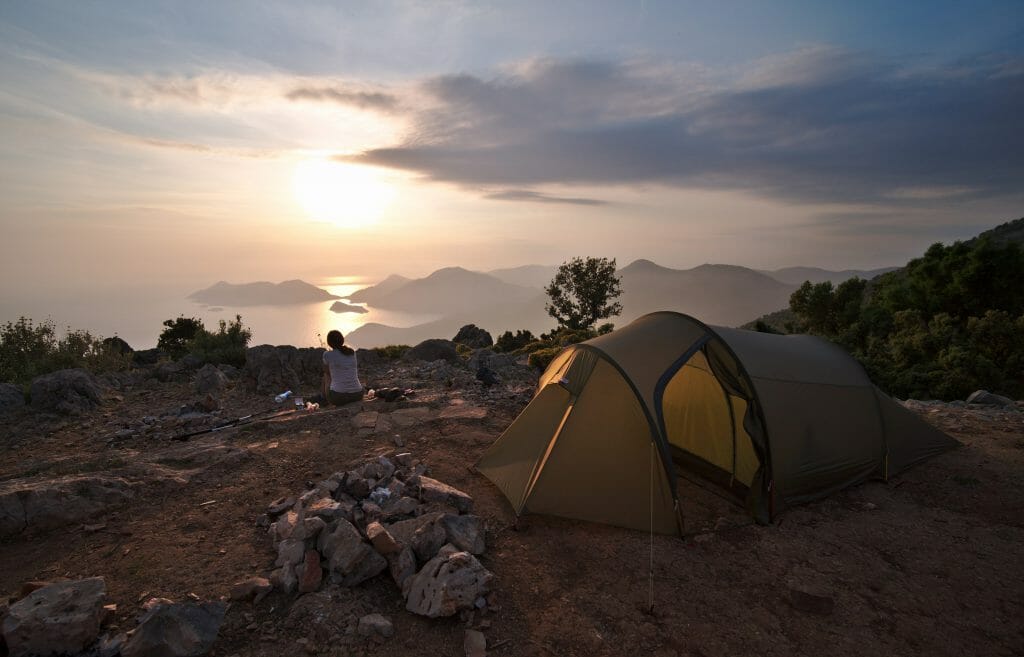
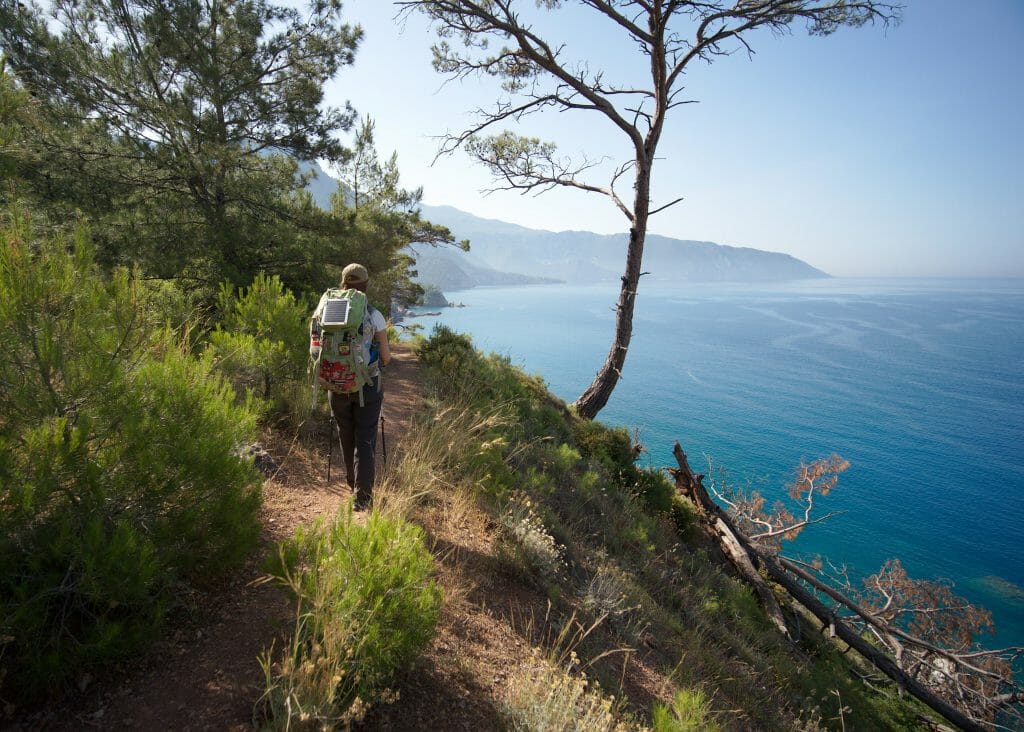
The Lycian Way: During the Lycian way, we mostly camped (in campsites or bivouacking), so we spent very little on accommodation. Our only paid accommodation was a small guesthouse in Alinca called Bayram’s Place / Pension & Restaurant, where we paid 250 TL a night (about 37 euros). That included the night as well as dinner and breakfast for 2 people.

Kaş: We stayed at the Mina Apart Hotel. We had booked in advance because it was at a good price online. 138 TL at night for a large spacious room with decent wifi :).
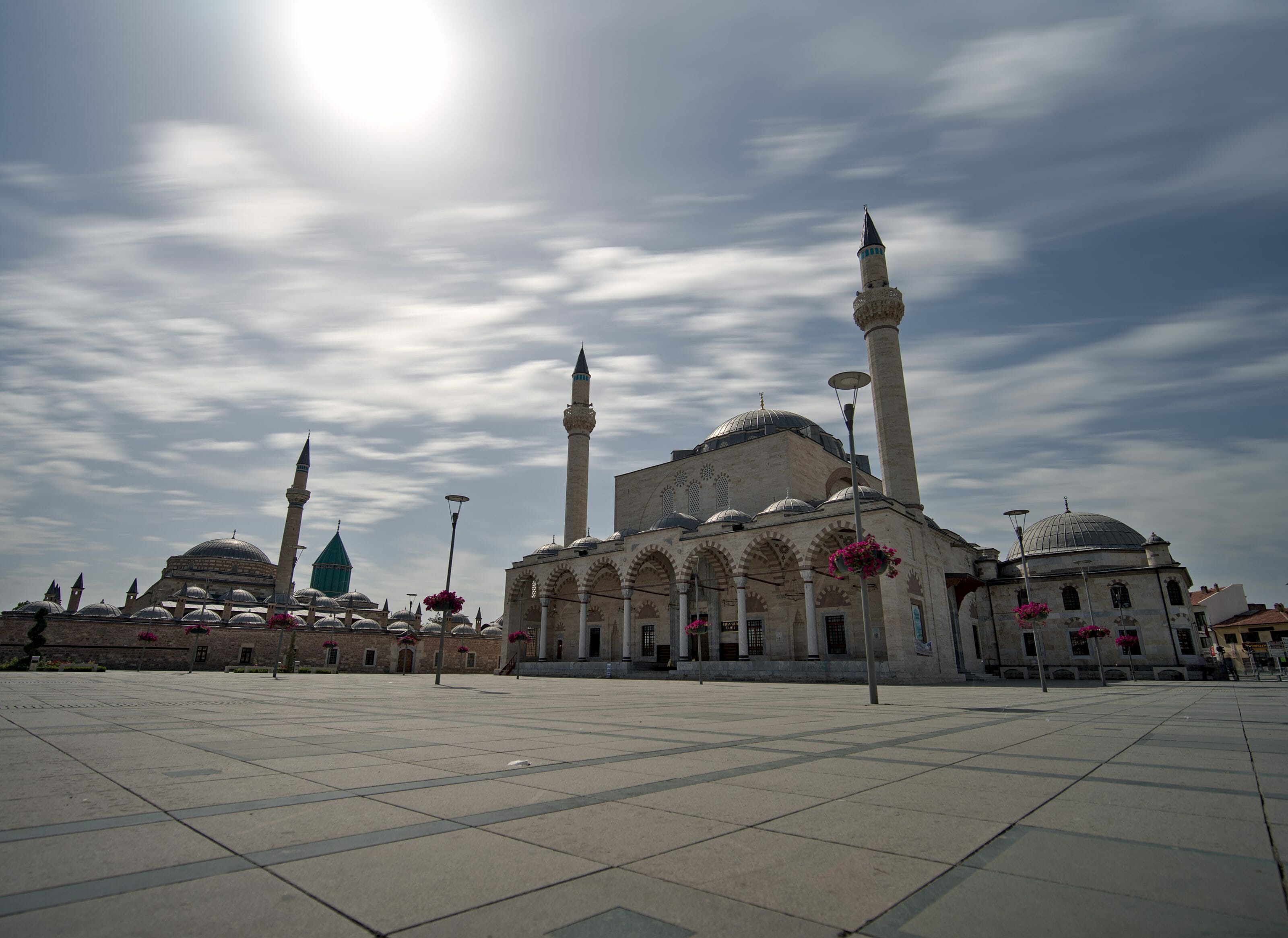
Konya: Prices were crazy in this city! We were there during Ramadan and everything was at rock bottom! Even the Hilton came in at less than 30 euros! In the end, we booked 3 nights at the Nun Hotel. It cost us 109 TL a night (about 16 euros) with a breakfast buffet included. The room was tiny and smelled of stale cigarettes :(, but for 16 euros, and especially with that top location, we weren’t going to complain.
Göreme: Here, we arrived without a reservation. We first spent 3 nights at Ali’s Guesthouse and then, as it was full, we moved to the Kose Pension. Two very decent places where we paid 200 TL a night (about 30 euros) with breakfast included.
Ankara: We had booked an apartment for a week at the Rain House. It’s a little old-fashioned but huge and well placed. We paid 185 TL a night. However, since we had to leave the city in a hurry after only 3 days to head back to Switzerland for an emergency, we unfortunately “lost” 4 nights we’d paid for… 🙁
Transport budget
The 114 euros for transport covers our various bus and train rides to get around the country. To go further, we recommend reading our guide to transport in Turkey.
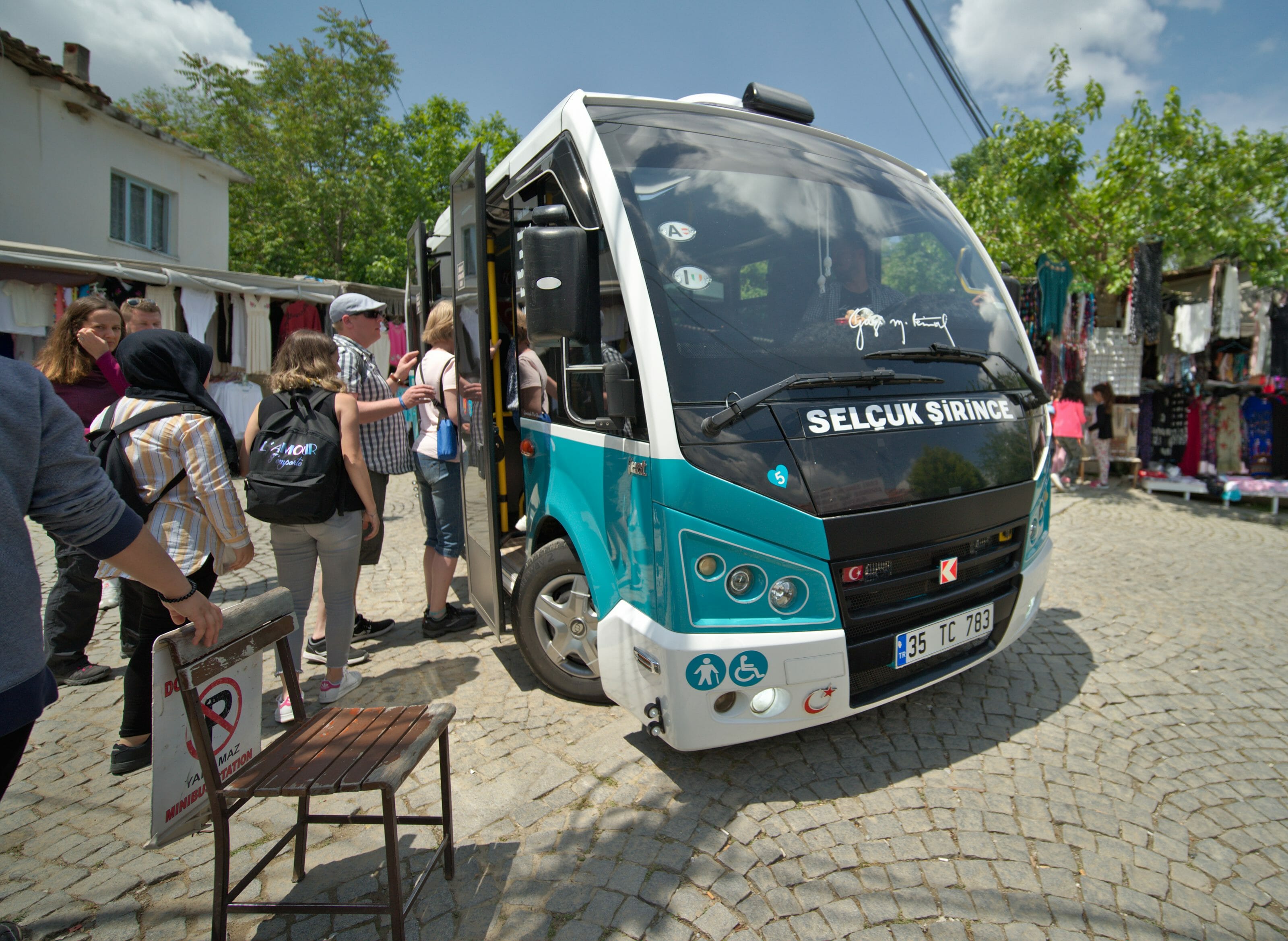
- From Izmir to Şirince: we took the train between Izmir Basmane and Selçuk. Fare: 7.5 TL per person, barely more than a euro for a ride of about 1 hour 15 minutes. From Selçuk, we then took the dolmuş to Şirince in about twenty minutes (4 TL per person), and used the same dolmuş afterwards to reach the ruins of Ephesus.
- From Şirince (or Selçuk) to Pamukkale: we took a bus back to Selçuk, then the train to Denizli (train fare: 17.5 TL per person for about 3 hours). From Denizli, we took a dolmuş (the stop is across from the station) to reach Pamukkale (4.5 TL per person).
- From Pamukkale to Fethiye: we went back to Denizli before taking a Goltur bus to Fethiye (ticket: 35 TL per person). Note: many companies run this route. We hadn’t booked anything and took the first one leaving. From what we saw, fares are fairly similar across companies.
- From Fethiye to Kaş: we took dolmuşes to explore the Fethiye area and to get us back from our trek along the Lycian Way. To get to Kaş, we took a bus (25 TL per person).

- From Kaş to Konya: we took a small bus to Antalya (30 TL per person), then hopped on a big bus to Konya (70 TL each).
- From Konya to Cappadocia: a big bus took us from Konya to Nevşehir (60 TL per person), then we took a dolmuş to the town center (2.5 TL), followed by one last dolmuş between the center and Göreme (3.5 TL).
- From Cappadocia to Ankara: we went back to Nevşehir by dolmuş (6 TL per person for the 2 dolmuşes combined), then took a big bus from Nevşehir to Ankara (70 TL per person).
Extras budget
Extras are all those things that don’t fit anywhere else :). This category includes tips, sunscreen, a case for my phone, and a few souvenirs.


Inflation in Turkey: watch out for price fluctuations!
One last point that’s important to know before heading to Turkey is the current exchange rate (versus the one during our trip).
We came to Turkey in 2015 and in 2019. In 2015, 1 euro bought 2.8 Turkish lira. Four years later, in April 2019, 1 euro was worth almost 6.8 lira! In 2026, we’re close to 55.6!!!!

Has Turkey become 19 times more expensive because of this inflation? The answer is no, luckily! But prices have clearly adjusted… For example, entry to Hagia Sophia in Istanbul cost 30 TL in 2015, or about 10 euros. In 2026, entry costs… 25 euros, or 1,400 TL!
From what we’ve seen, the more touristy a region is, the faster prices adjust… In less touristy areas like Konya, for instance, you can still find kebabs for 4 TL, whereas in Izmir the standard price is clearly 10 to 12 TL. In short, take the prices above with a grain of salt and rely more on their value in euros or dollars.
Turkey: our top things to see
The incredible landscapes
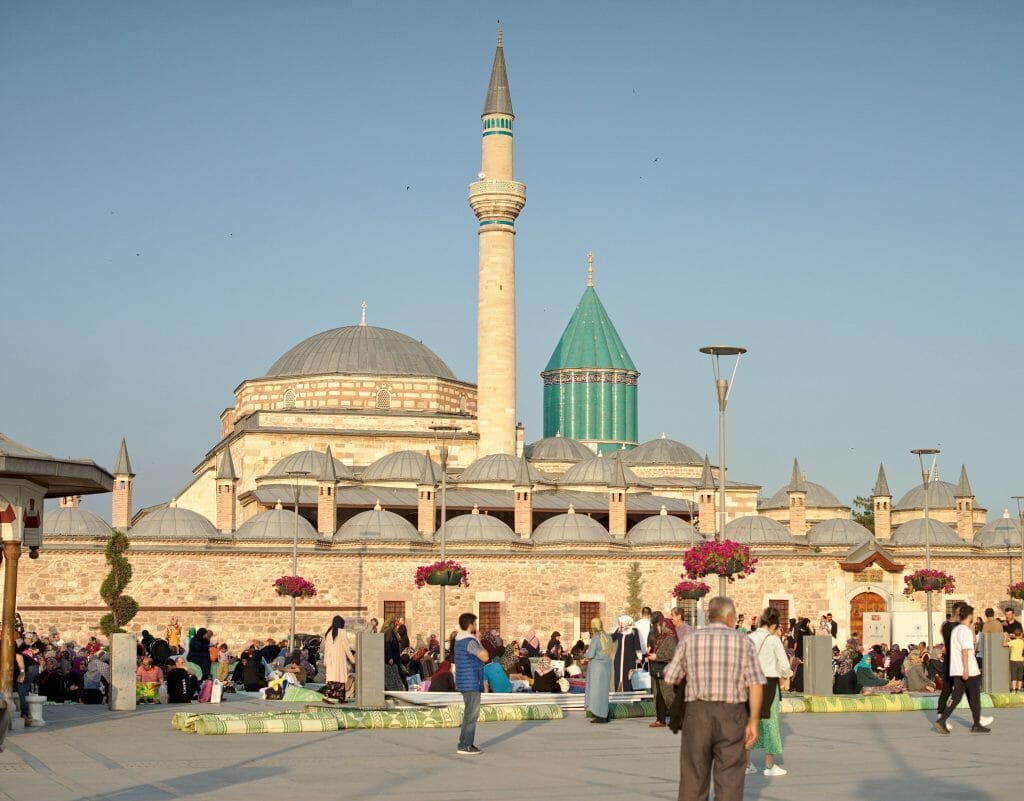
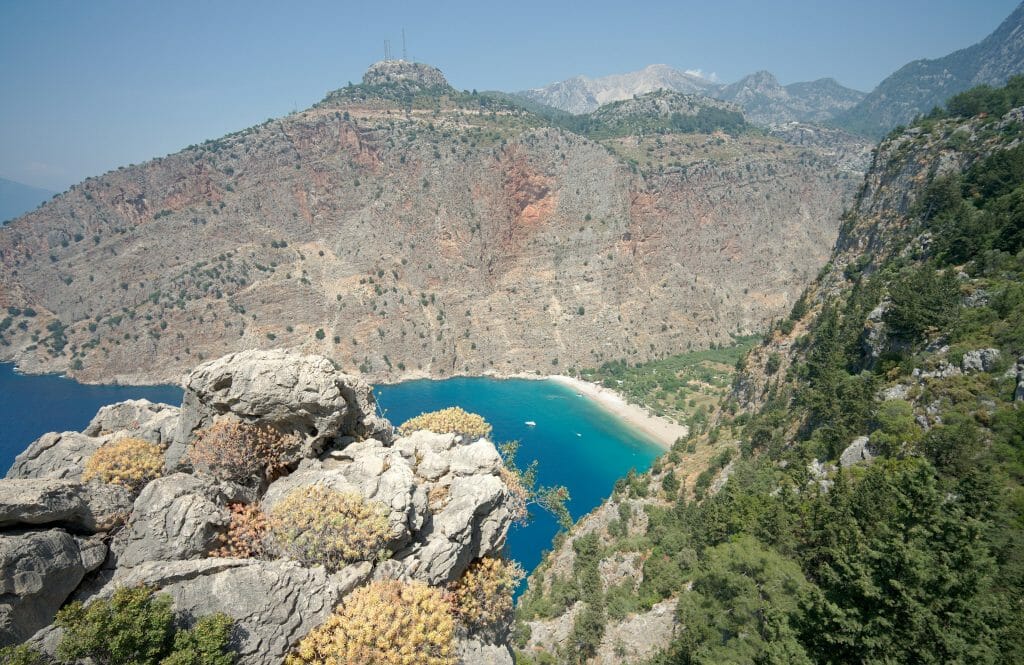
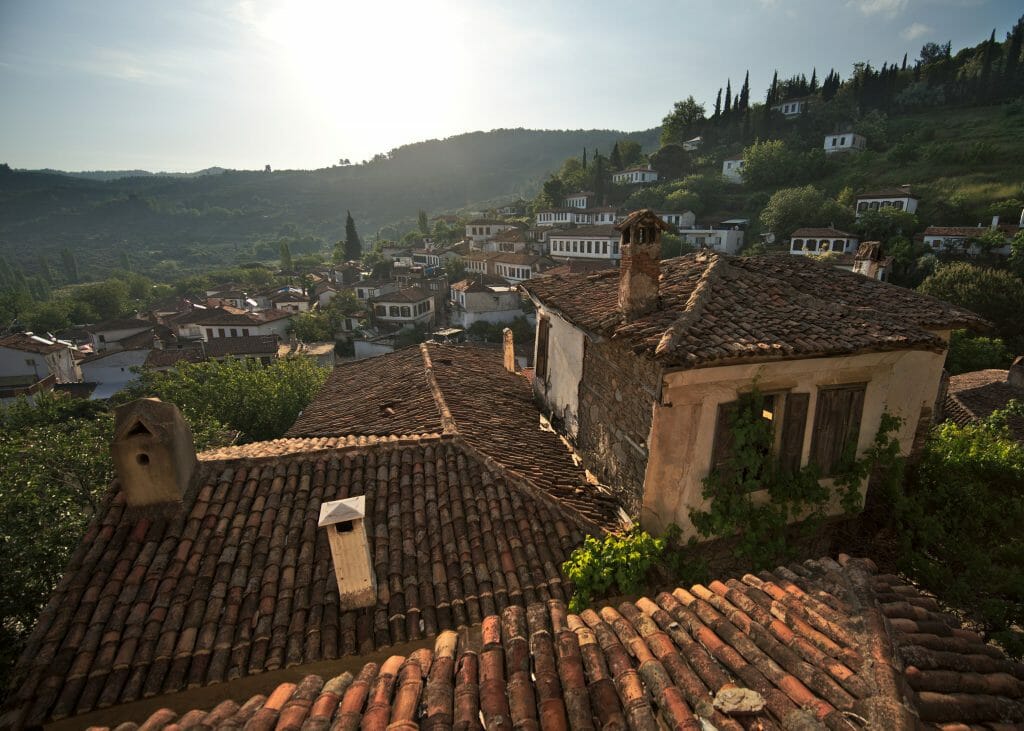
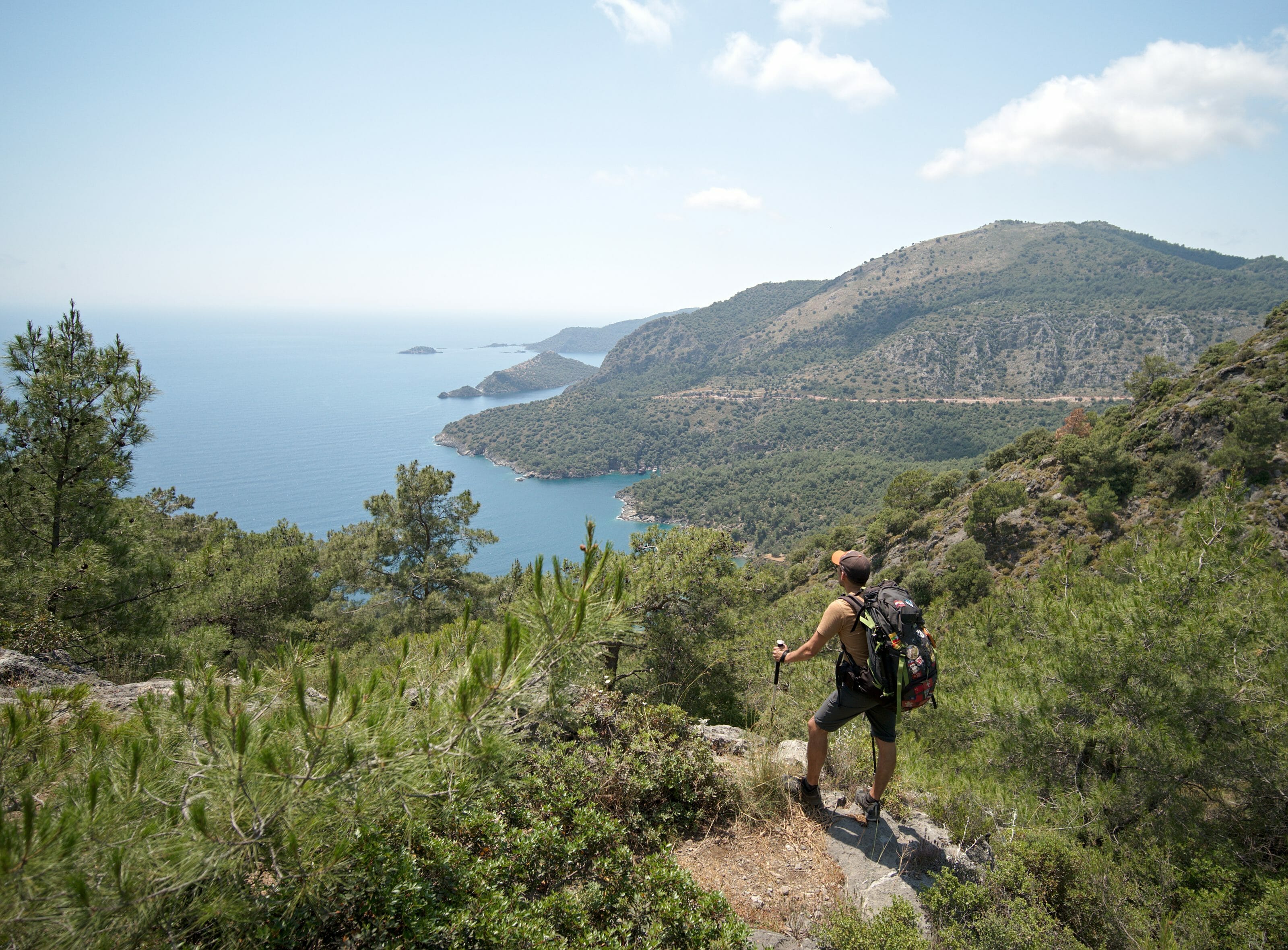
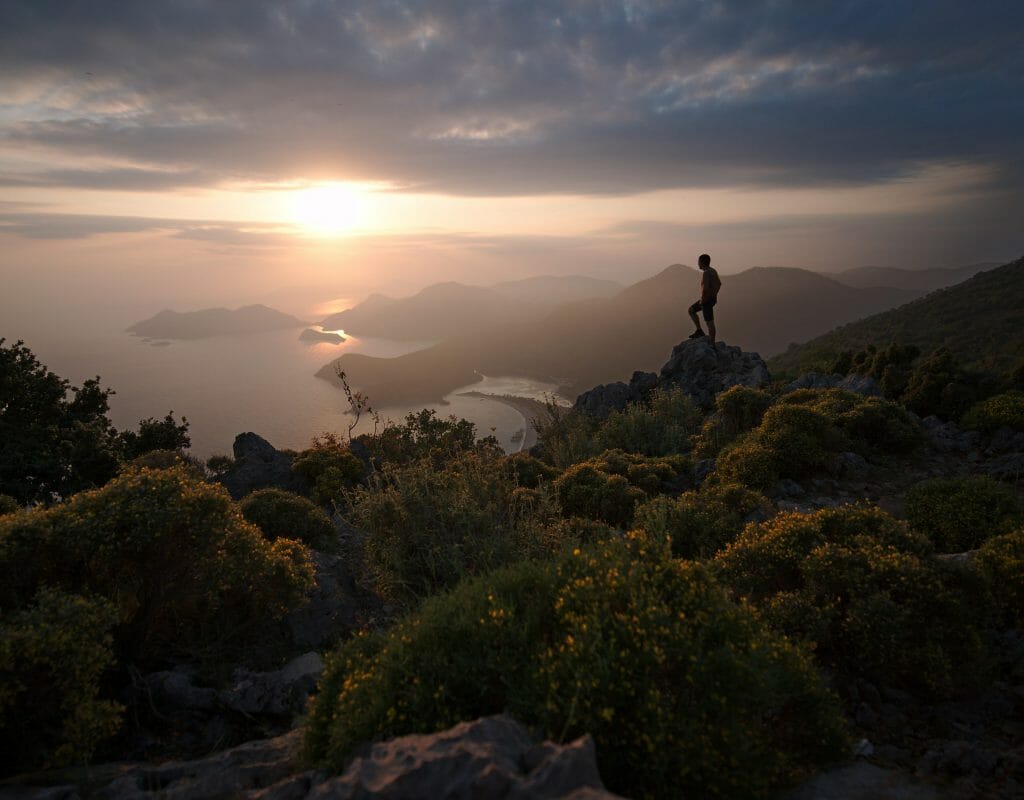
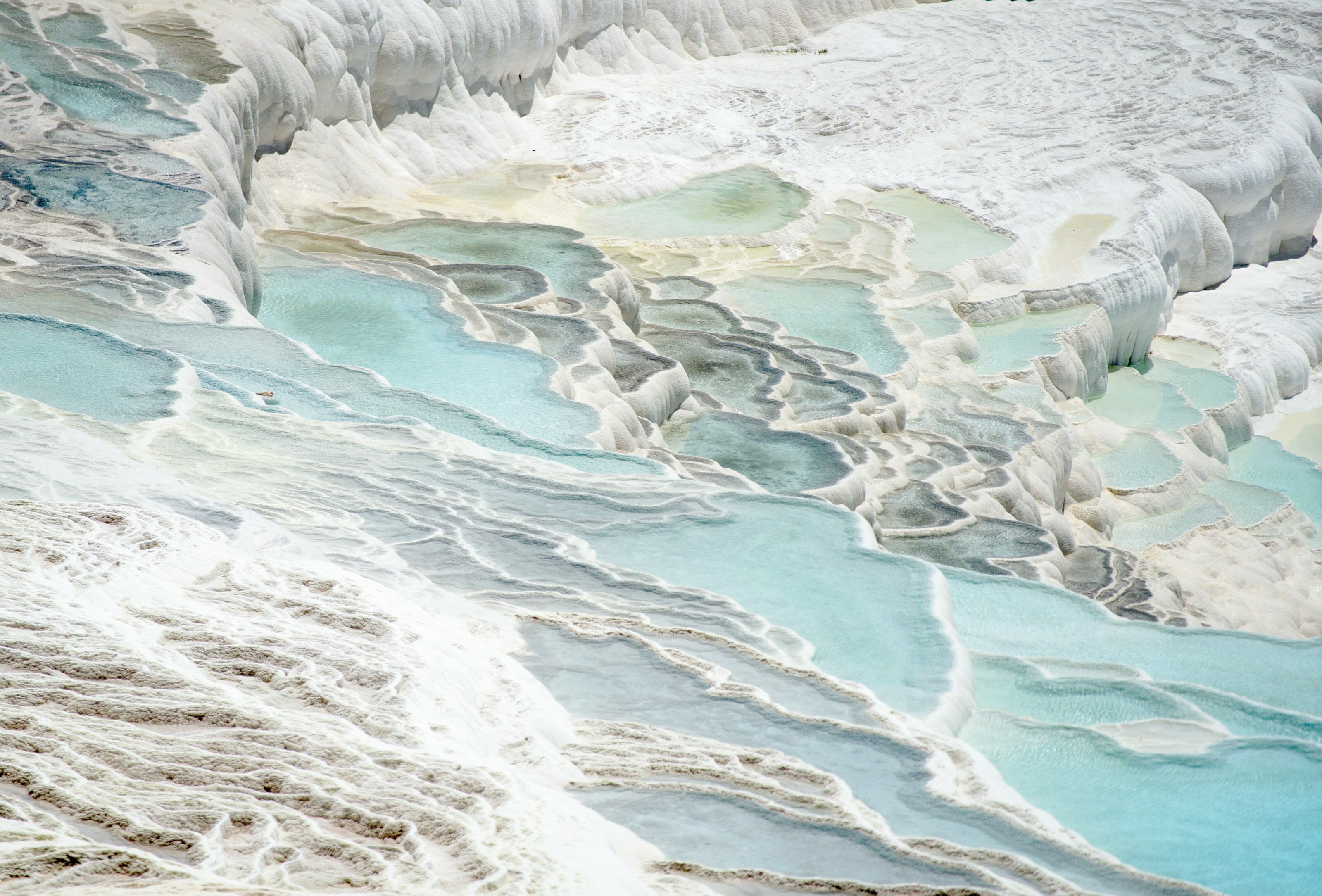
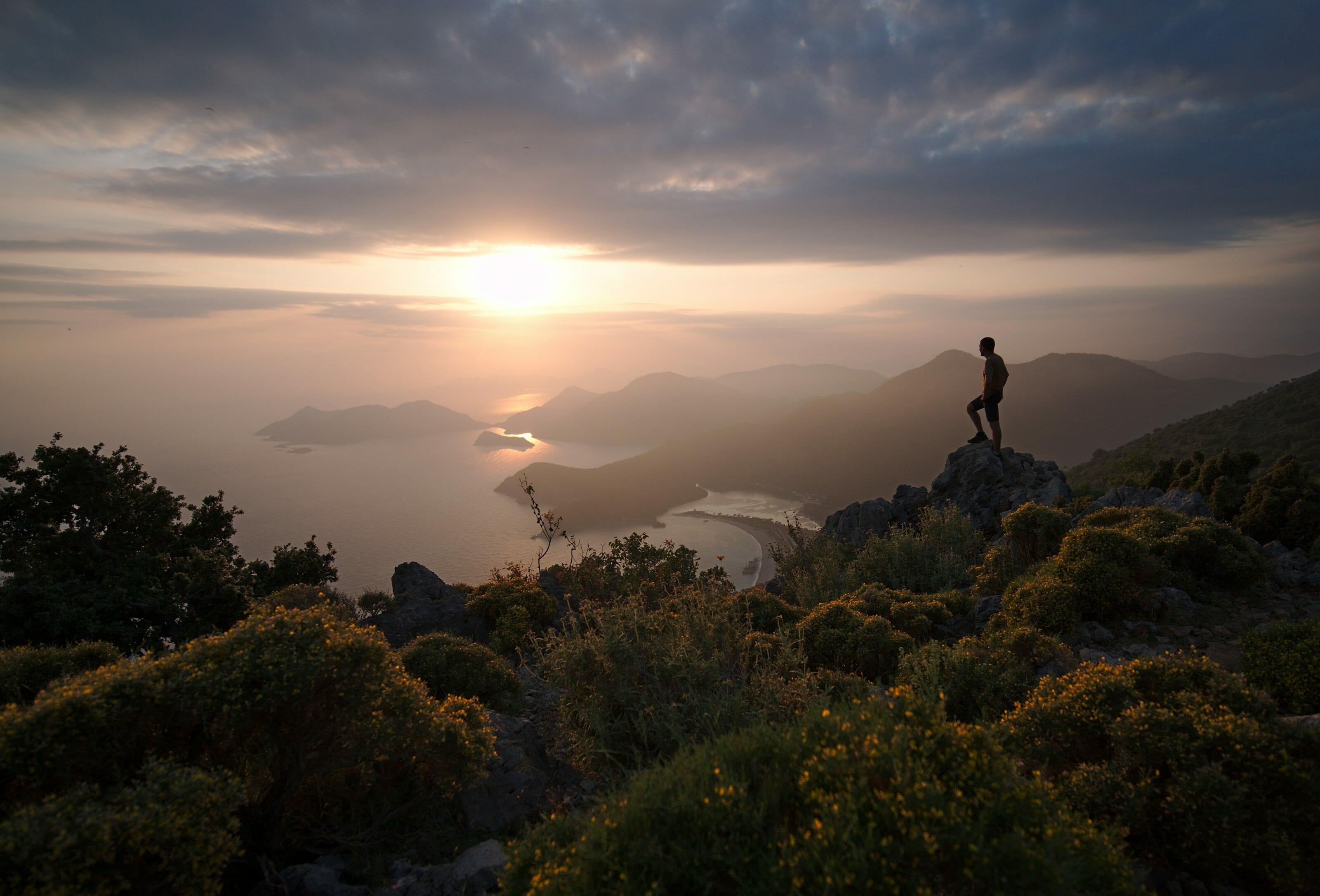
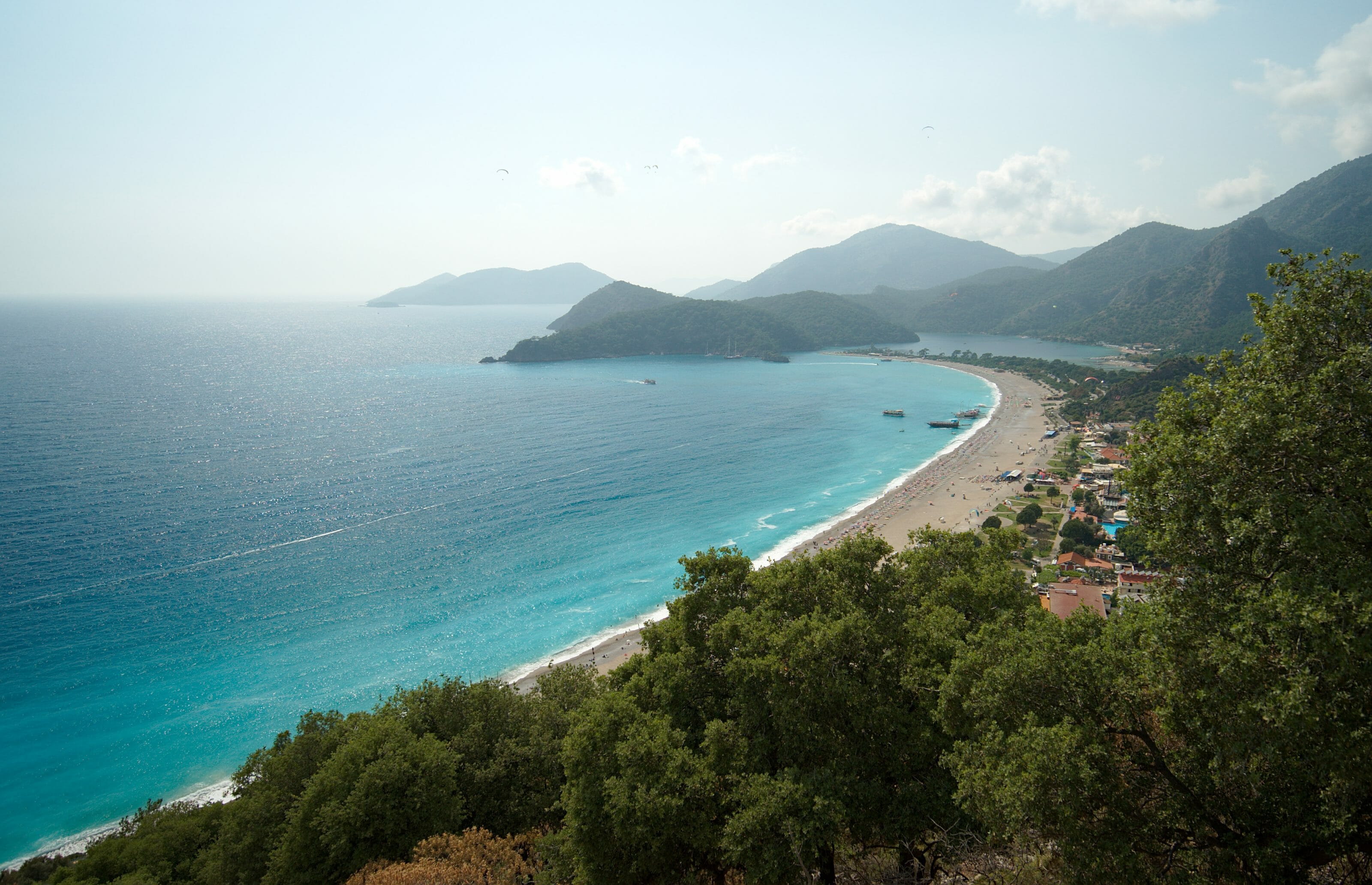
Turkey completely blew us away with its landscapes! I don’t know about you, but before leaving, I only had a few clichés in mind, like Cappadocia or the southern beaches. I was totally surprised and charmed by the very mountainous landscapes of the south, the geological formations of Cappadocia, and the gorgeous vine-covered hills near Sirince… And we haven’t even seen everything! The northern part of the country toward the Black Sea and the far east look just as beautiful!



The absolutely fantastic hospitality of the Turks
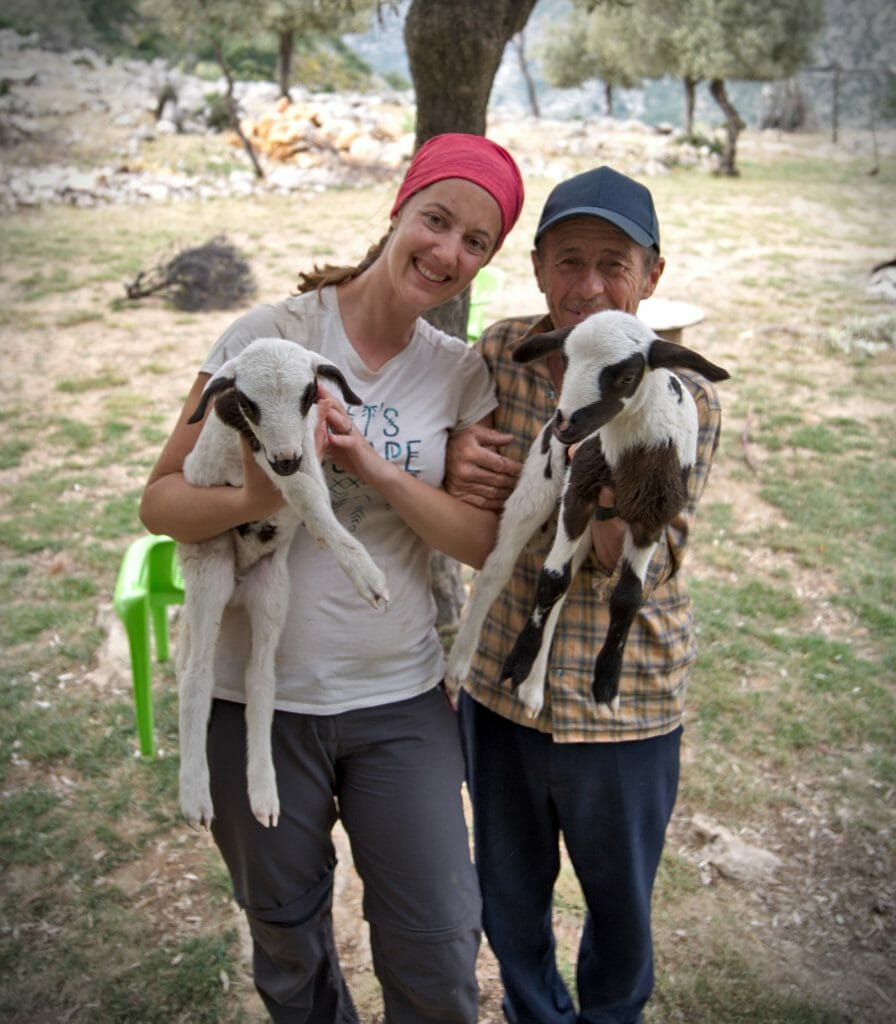
We’ve already mentioned it in a few of our articles, notably the invitation in the middle of Ramadan in Konya. But what struck us most in Turkey was the truly remarkable hospitality of the Turks. Everywhere we went, we felt welcome and were always greeted with kindness and a smile.
Turkey’s historical and archaeological heritage
Turkey has a history going back more than 5,000 years, and many peoples have succeeded one another on this land, each leaving their mark on the country’s heritage. You’ll find traces of Hittite, Roman, Greek, Persian, Byzantine, Ottoman, Arab civilizations, and more.
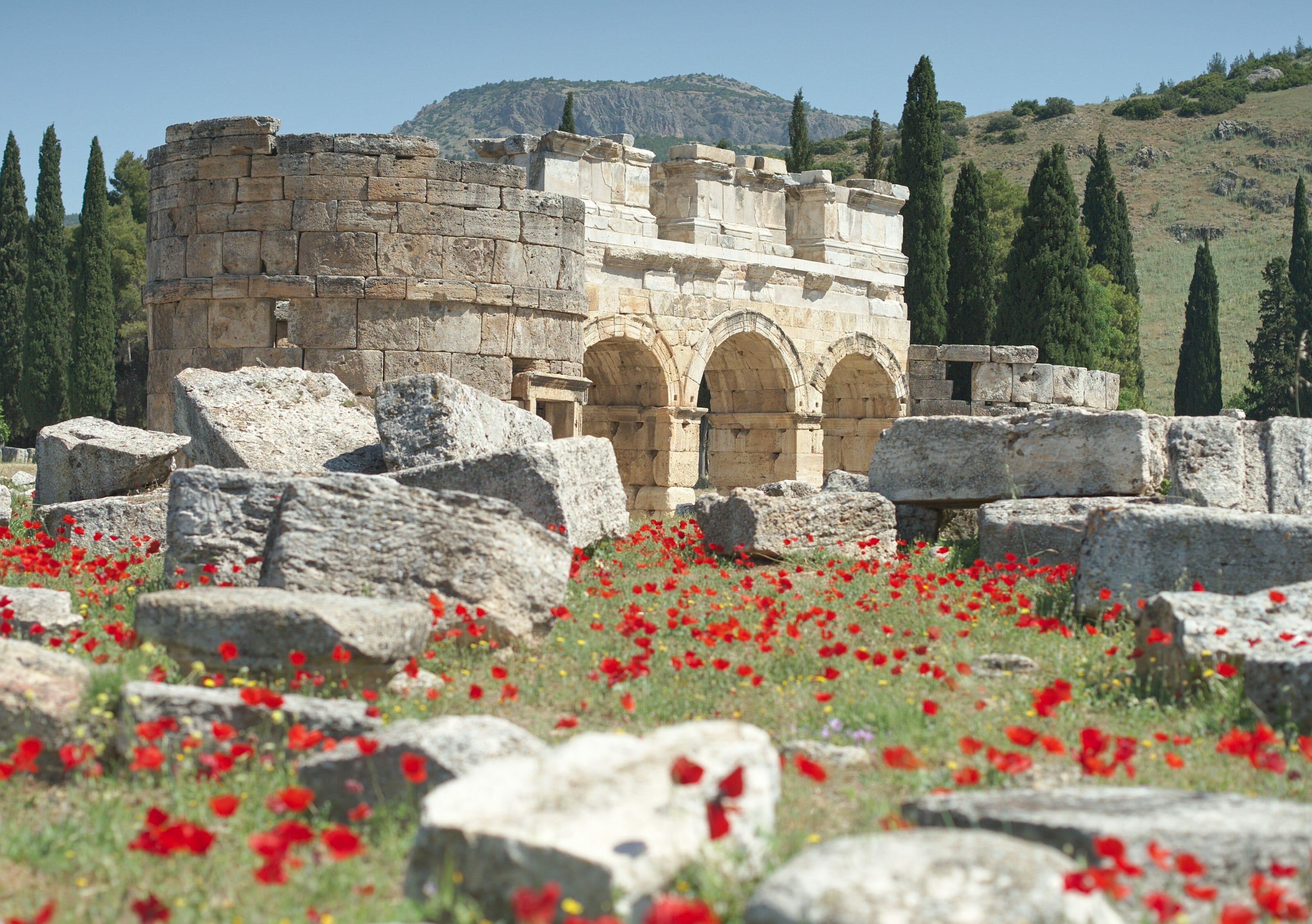
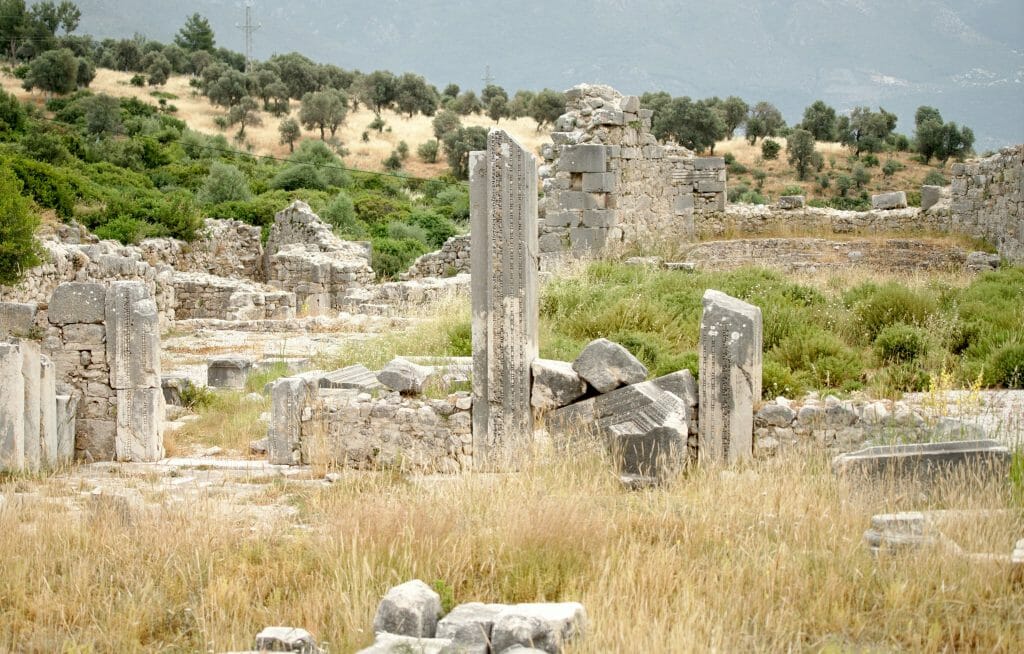
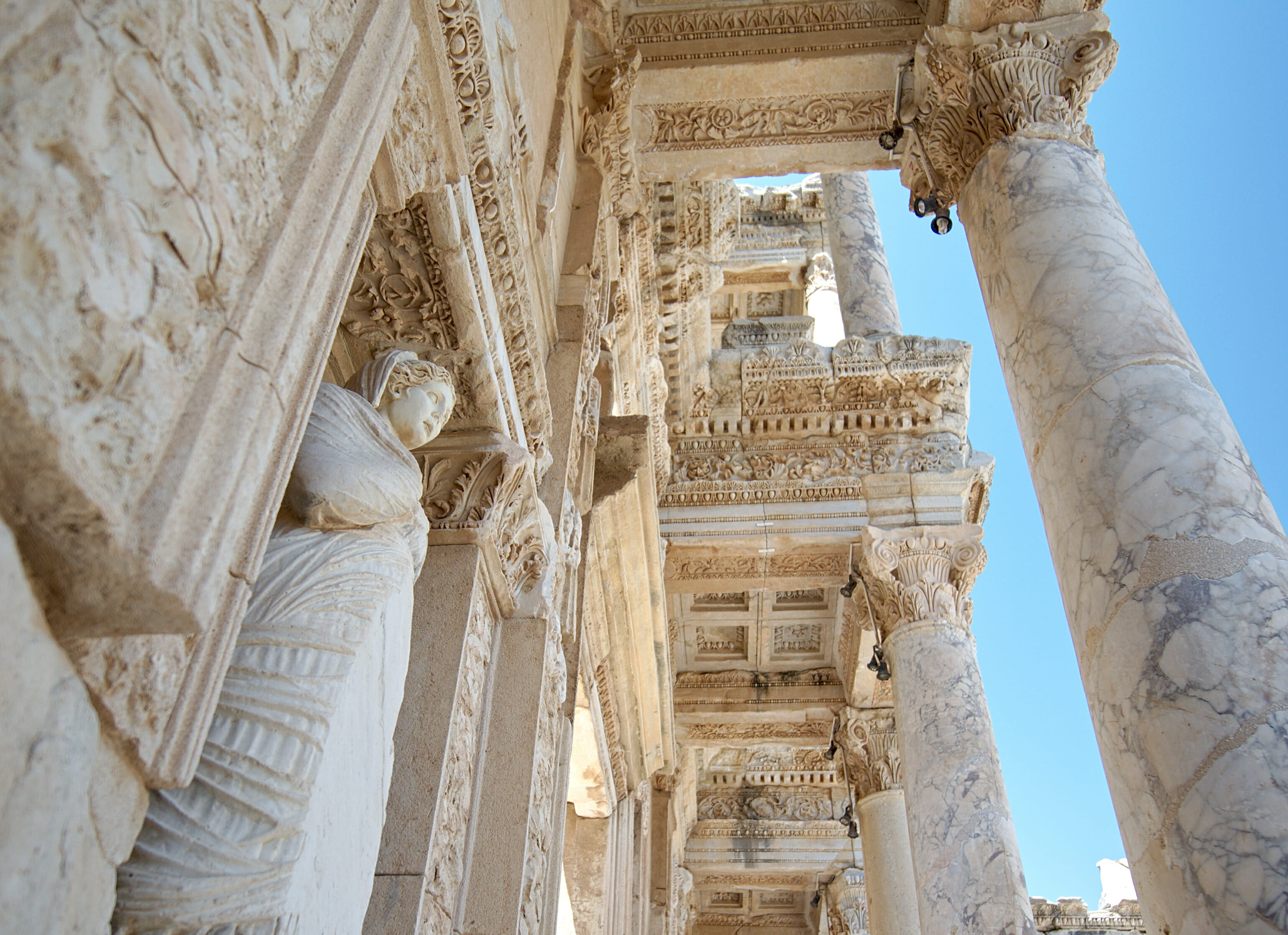
We have a particularly vivid memory of the magnificent city of Ephesus near Izmir and of the Lycian ruins around Fethiye. We’re far from history buffs, even though Benoit LOVES history museums. I won’t hide that the history of this region straddling East and West is far too complex to be understood by reading a few signs in museums… But it remains an extremely interesting part of a trip to Turkey!



The contrasts between the different regions
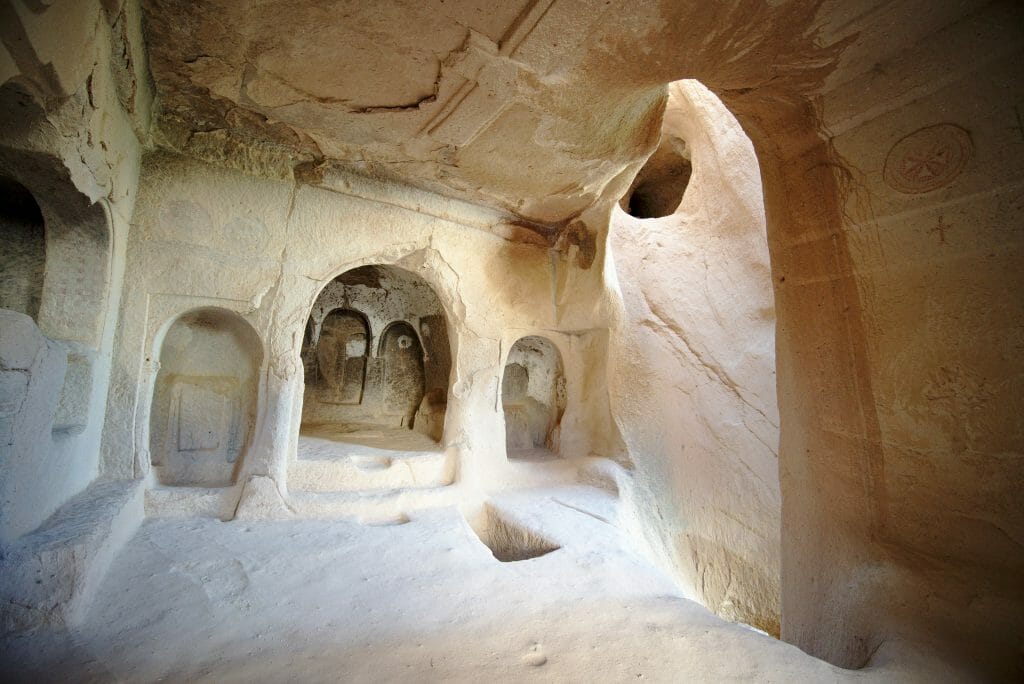
This is probably the thing we loved most! The diversity of this country is absolutely CRAZY!
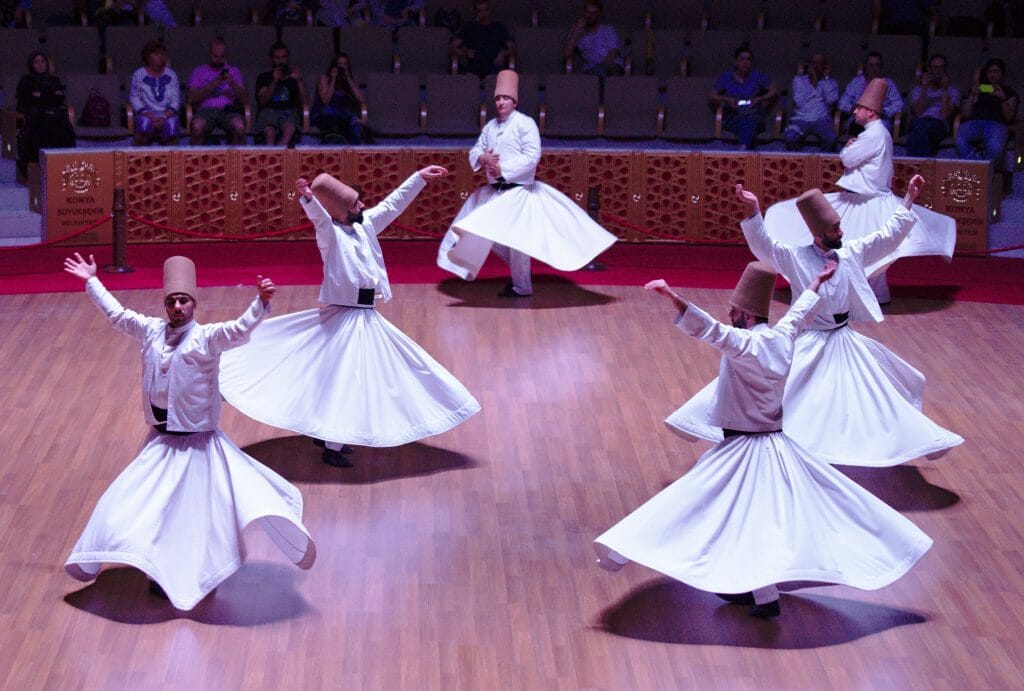
In terms of landscapes, of course, but also culturally. Imagine for a moment that one of the most traditional cities, like Konya, is only a 3-4 hour drive from some of the most touristy and “liberated” places in the country, like Antalya or Cappadocia.


Safety and ease of travel in Turkey
The question of safety is somewhat tied to the point about the welcome we received, but I still wanted to give it its own section in this article. Before we left, several of our loved ones told us they were worried about us being in Turkey. It’s true that we set off very naively, and we stopped relying on the prejudices spread by some media a long time ago.
We won’t lie to you, some regions of Turkey are indeed sensitive at the moment, notably the border region with Syria. But let’s remember that Turkey is more than twice the size of Germany! What holds true in one region is far from true elsewhere. Turkey never, at any point, gave us the impression of being dangerous, quite the opposite! Of course, big cities like Istanbul remain sensitive, but sadly, I think that applies just as much to Paris, Berlin, or London…
Things we liked a little less in Turkey
We’ll reassure you right away: there’s fundamentally very little we liked less in Turkey! But we’re only human, and as on any trip, not everything is rainbows and glitter ;).
Turkish cuisine


I’ll admit, I hesitated to include this point… Because yes, in Turkey you eat very well and cheaply. That said, we’ll confess we got tired of it fairly quickly. The catch with Turkish cuisine is that they LOVE meat, and I mean really love it! The vast majority of Turkish specialties contain lamb or beef, the two most common meats. Benoit and I weren’t strict vegetarians at the time, luckily, as it turns out! In Turkey, I think we probably ate meat almost once a day…
Since we were always on the go, we also found it relatively hard to get healthier options to eat on the fly. Most quick bites are fairly greasy, fried, or come in the form of pide (Turkish pizzas).
Internet in Turkey
Rest assured, the internet is very much present in Turkey ;). During your vacation, you won’t have any trouble reading your emails or browsing the web for information. However, since we were also in work mode, we struggled quite a bit on this trip to get fast connections in our apartments and guesthouses. The wifi speed was often around 3 or 4 Mbps.

That’s plenty for writing WhatsApp messages or running a search online. But for uploading images or getting on a call with a client, it was sometimes tough.
A second thing to know about the internet in Turkey is that there’s censorship, not as harsh as in China, but still. It didn’t particularly affect or bother us because we have a VPN to get around it. Just don’t be surprised if you can’t access certain sites like Wikipedia, for example.
To be sure you can access any site during your trip, consider installing a VPN, which is very handy when traveling. We’ve had our ExpressVPN subscription for over 10 years now. In our opinion, it’s the best VPN year after year.
The language barrier
In Turkey, we found the language barrier to be quite significant. Turkish is a relatively easy language to learn, but needless to say, it’s absolutely impossible for travelers passing through to pick up enough basics to really have a conversation.
Overall, English isn’t widely spoken. We even found it easier at times to communicate in German, which seems to be more commonly spoken, since a huge number of Turks have settled in Germany or have family there.
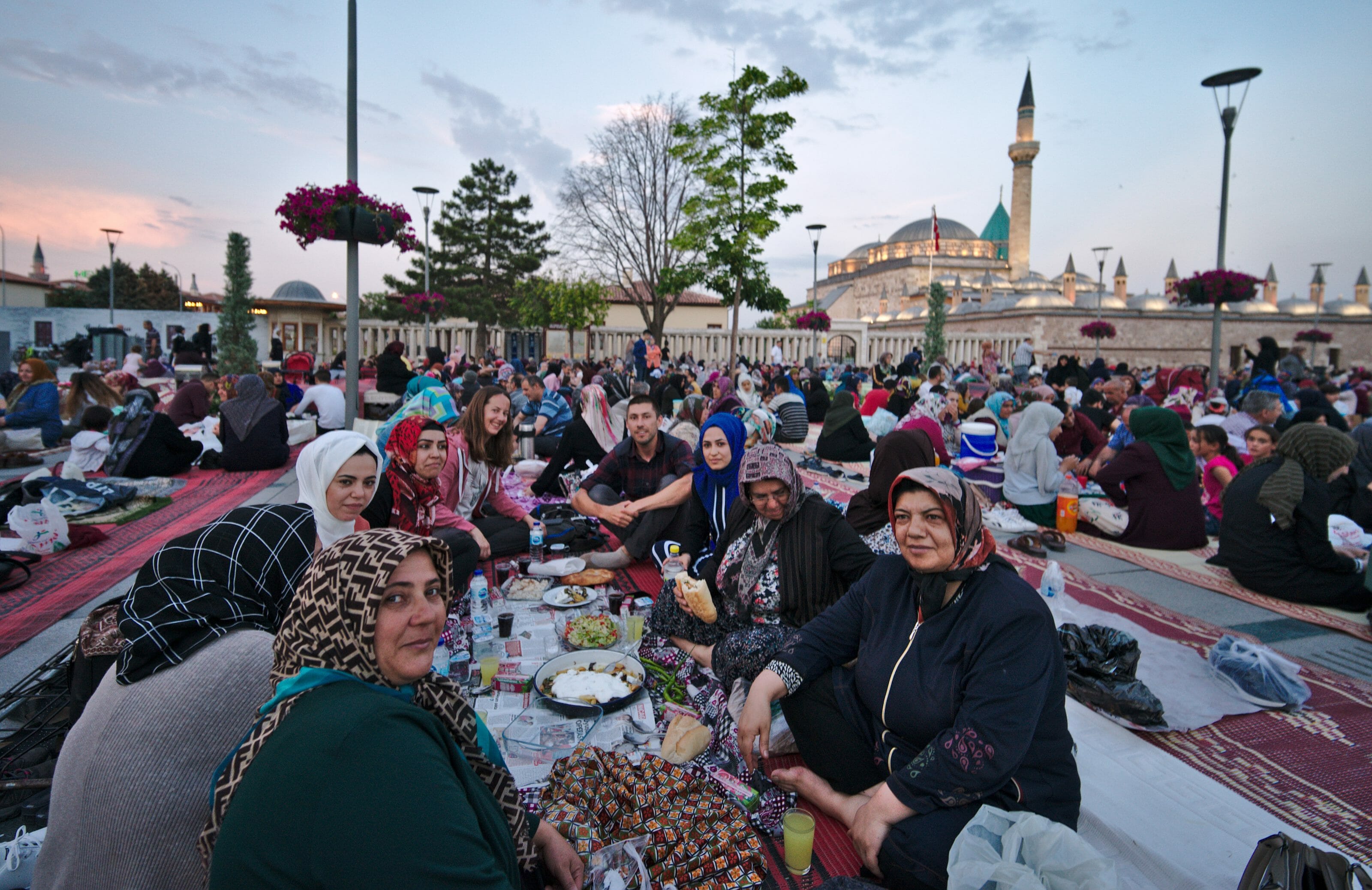
The language barrier frustrated us a bit because the Turks are SUPER welcoming. Time and again, we found ourselves starting conversations through miming or with the help of Google Translate on our phones. It leads to some funny situations, but we would clearly have preferred to speak Turkish :).
The difficulty of finding information to travel independently
Turkey is a touristy country with a huge amount to offer backpackers. Yet, oddly enough, Turkey was one of the countries where we struggled the most to find practical information online. There are tons of blog articles about Istanbul, a few about Cappadocia, but otherwise??? We were left wanting more…
We actually had the funny impression that, because Turkey scares people a little, many travelers limit themselves to Istanbul or go on organized tours. We get the idea, but we were really surprised. So, during this trip, we made a point of detailing our stops a bit. We hope to help future travelers get organized. And we promise, Turkey is a country that REALLY lends itself well to independent travel!
In total, you’ll find 12 articles dedicated to Turkey on our blog.
Beer in Turkey

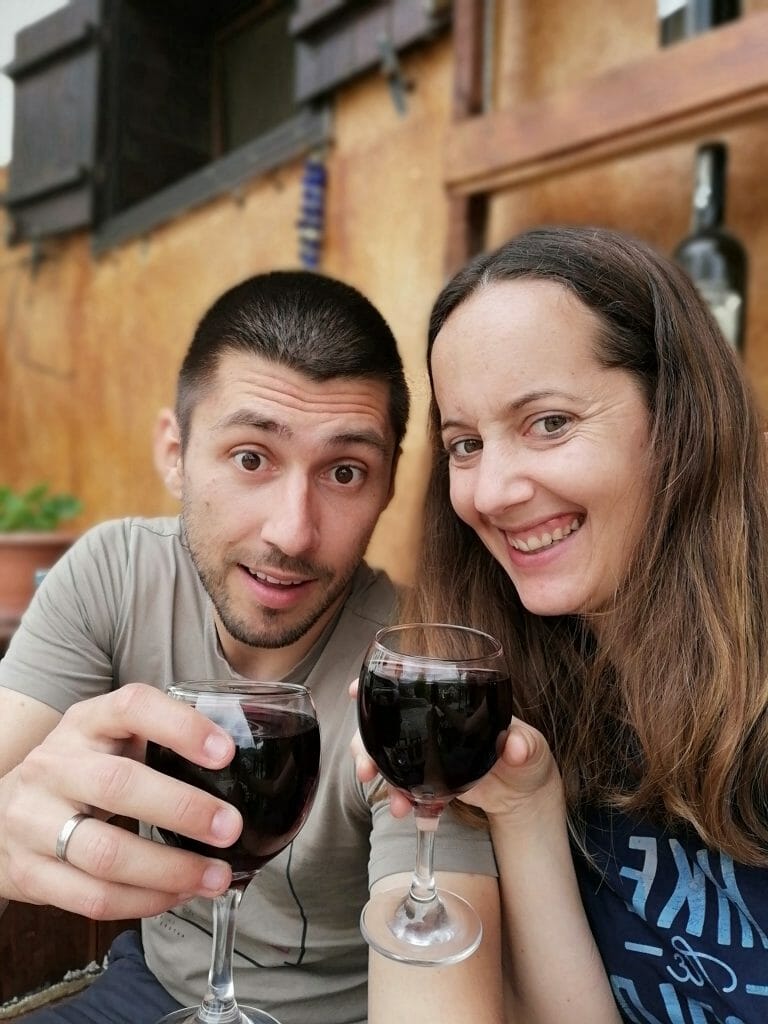
This last point is to be taken with humor, we agree, right??? Turkey is officially a secular country, so alcohol isn’t banned. In practice, though, alcohol is heavily taxed and relatively uncommon. In touristy areas you’ll find beer on every street corner and on every terrace, but there are also places like Konya, for example, where we didn’t catch a glimpse of a single drop of alcohol during our entire stay.
As the beer lovers we are, we tried a few beers and, well… The verdict is pretty clear… Beer in Turkey just isn’t it. The best-known beer in the country is Efes, a pilsner that quenches your thirst well but leaves no lasting impression with its flavors. You’ve been warned!
Backpacking in Turkey: our take and overall verdict
If you’ve read our various articles, you may have already guessed it, but for us the verdict on this backpacking trip to Turkey is 200% positive! Since we had to rush back to Switzerland for family reasons, Turkey definitely left us with a taste of unfinished business… which is not a problem at all, because in the end it will only strengthen our desire to come back one day and see more!
So, if you’re still hesitating about going to Turkey for your next vacation, trust us, you can stop asking yourself questions right now! This country is STUNNING and it’s really easy to travel independently here. So it’s without the slightest reservation that we encourage you to grab your backpack and go roaming out there. We promise, you won’t be disappointed!
Take care!
This article contains affiliate links to partner sites. When you use our links to book accommodation, a car, or an activity, you don’t pay anything extra, but we get a small commission. This helps us to offer you free, independent, and ad-free content. Thank you for your support!
Pin It



Note for future readers: As mentioned, Turkey has high inflation and a bad economy nowadays. Prices are changing rapidly. So please consider the prices probably is not actual and if you want to calculate it ask to local or change to USD in 2022 August (18 tl) and calculate again for a rough estimation.